
It’s really easy for families to create less garbage, and you don’t have to alter your routines very much by finding new uses for things you already have. Lots of people start with recycling, but people who really understand waste, those studying the circular economy and those teaching about sustainability, will often say that reuse is even more effective. It’s because it deals with waste earlier, before you even need to get rid of something.
Using something for longer, as reuse does, means we need to make fewer brand new things, and it means less stuff going from your home to the garbage. It’s a sensible way to manage possessions, falling between purchasing and tossing items.
Why reusing everyday items matters before recycling
Loads of people see recycling as the key to dealing with rubbish from our homes, but using things again is often a better option at an earlier stage. Recycling only happens once something is rubbish. When we find new ways to use ordinary items, they stay useful for longer and we don’t need to buy so many new ones.
Those who really understand how household rubbish works say using something over and over eases the burden on the collecting, moving and dealing-with-it systems. One container that gets used a lot creates less of a need for lots of things you use once and throw away, even if you could recycle those single-use items.
Because of this, reducing waste plans usually say reuse is more important than recycling. The idea is to actually stop things becoming waste in the first place, not just tidy it up afterwards.
How reusing everyday items helps reduce household waste
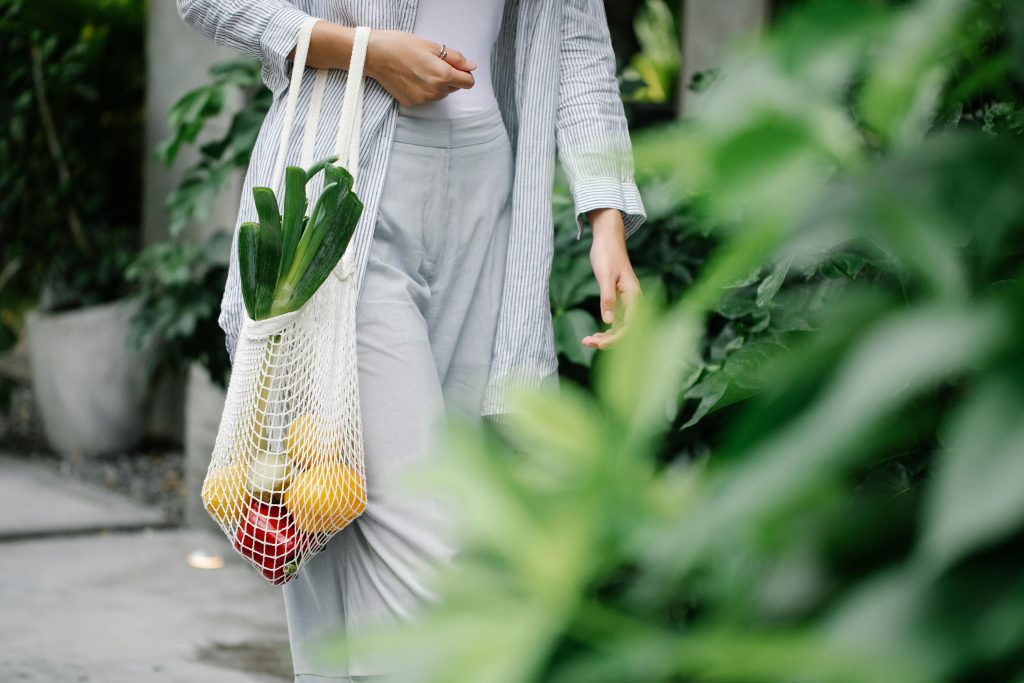
We all make garbage as we go about our daily lives. Throughout the week we use things like shopping bags, food containers, bottles, cleaning rags, and little boxes for storing things. And if we use these items over and over, instead of throwing them out after only once, we usually find we have a lot less trash.
People who teach about reducing waste say families don’t have to be perfect to make a difference. Just a handful of habits you do regularly can mean fewer things for the garbage. This is particularly true when it comes to the kitchen, what you take for lunch, and how you keep your house tidy.
Using things again and again also helps you realize how much of each item you’re actually using. When you are more aware of how often you use certain things, you’ll frequently begin to be more careful about what you actually buy.
Credit: Cup of Couple / Pexels
Why reuse supports practical sustainability habits
Reusing things is successful because it just slides into what you normally do. Sustainability in a way that’s actually maintained is generally simpler if it’s quicker, gets rid of mess, or means you don’t have to go to the store. A strong bottle, a container for food you can use again, or a dishcloth can become normal parts of your day, and won’t feel like a rigid obligation.
What those studying sustainability frequently say is that we continue with things we can immediately see the benefit of. Reusing common stuff frequently works since it deals with small issues around the house and, at the same time, creates less garbage.
And that’s also why specialists normally tell you to begin with the items you use all the time. When you’re using something already, it’s much easier to keep on using it!
How reuse lowers material demand over time
Getting a product to your house needs materials, energy to make it and get it to you, and packaging. And when you replace something too quickly, this creates a need for more of all of those things throughout the whole process. Using things again for longer, though, puts a brake on that cycle.
People who specialise in a circular economy frequently point out that we shouldn’t only be worrying about rubbish; how much of the earth’s resources we are using is equally important. When we find new uses for the things we have, we lessen how often families need to buy new items to do the very same job.
So reuse is important for much more than just what goes in the bin. It changes how much is made at the beginning of the process, not just how much is thrown away at the end.
What experts say households should reuse first
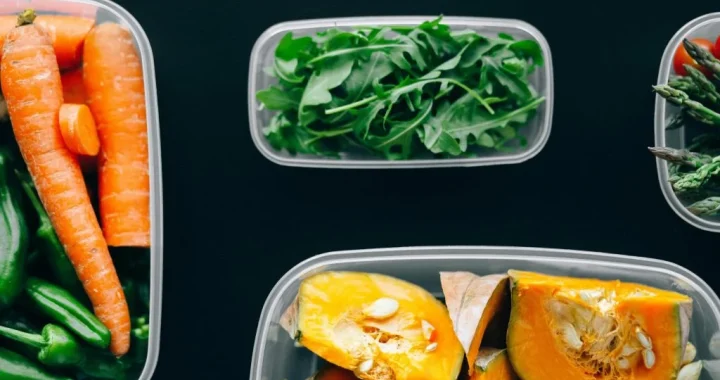
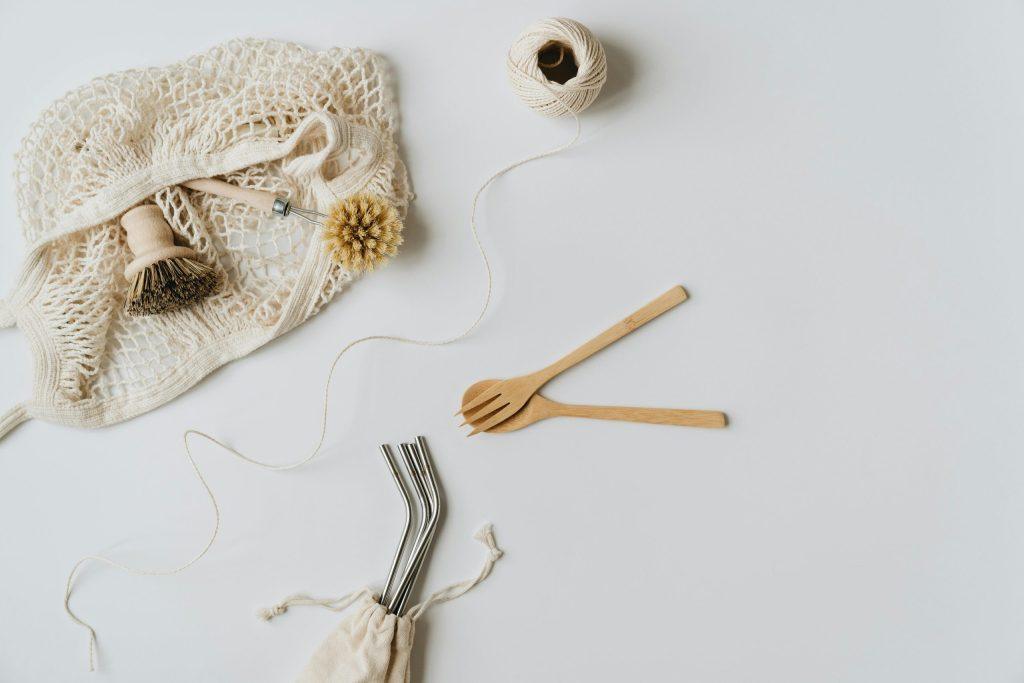
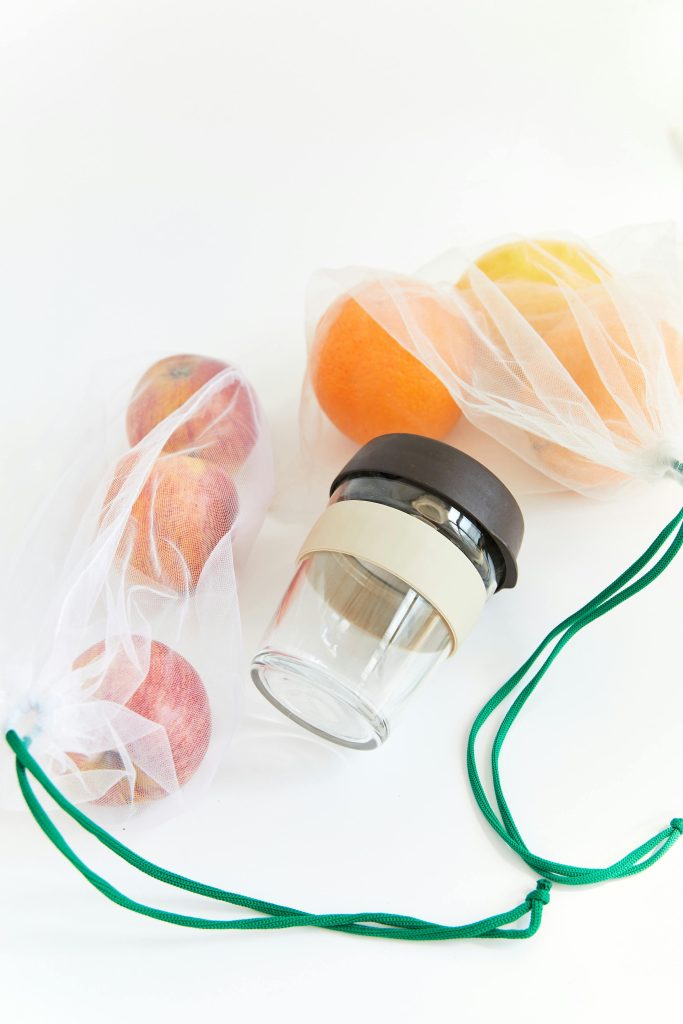
Many people who know about this thing suggest starting with the throwaway things you use all the time. Typically, that’s shopping bags, bottles for drinks, containers for your lunch, jars for keeping things in, fabric napkins, and cleaning cloths you can wash. You aren’t trying to get rid of everything at once, but to cut down on how often you use something just once and throw it away.
And those who are good at organizing homes suggest you use up what you already have before getting new, environmentally friendly options. A jar you’ve already got from your cupboards might be a better solution than a whole new set of containers that will cost more and come in more packaging.
This way of thinking makes re-using things something you can actually do. It also stops being environmentally careful from accidentally becoming just another way to buy loads of stuff.
Credit: Darina Belonogova / Pexels
Why reuse works best when it stays simple
People will keep reusing things if the whole system isn’t a struggle. If reusables are a pain to wash, tricky to put away, or simply aren’t there when you want them, you’ll probably stop using them. A simple approach is better by far than striving for a completely zero-waste lifestyle.
Those who really know about decreasing waste say to keep your reusables in the places you’ll actually use them. For example, bags by the door, containers within easy reach, and cleaning cloths right where you do the cleaning. Where you put things is often what determines if you’ll do it regularly.
When using things again and again just feels like the thing to do, that’s when it really works. And the easier it is, the more likely it is to turn into something your household does all the time.
Frequently Asked Questions
Q: Why is reusing everyday items important?
A: It reduces household waste, lowers the need for new materials, and often works before recycling becomes necessary.
Q: Is reuse better than recycling?
A: Experts often place reuse above recycling because it prevents waste earlier in the process and extends product life.
Q: What items are easiest to reuse at home?
A: Shopping bags, bottles, jars, lunch containers, and cleaning cloths are among the easiest items to reuse regularly.
Q: Do households need to buy new products to start reusing everyday items?
A: No. Experts usually recommend starting with items already available at home before buying replacements.
Key Takeaway
When families find new uses for things they already have, they create less trash. In fact, people who know about sustainability say that reusing things is a sensible way to live more sustainably, lessens how much of the planet’s materials we use, and extends the life of things that are still good to use. Typically, the easiest changes, done over and over, are the best. And