

Even if we get electricity from cleaner sources, saving energy at home is still important. Getting our power in a way that’s better for the environment will lessen the impact on the planet, but as specialists say, being careful with how much energy you do use is a really easy way to cut down on waste, take the pressure off of our infrastructure, and make sure your electricity is more stable.
In fact, energy experts, people who make buildings more efficient, and those who plan for the grid all say that a cleaner supply of energy and reducing how much we use go together beautifully. A home that doesn’t lose energy is simpler to cool, heat, and get electricity to, and that benefits both you and the entire electric system when lots of power is being used at once.
Why home energy efficiency still matters in cleaner power systems
A lot of people think that if we get our electricity from clean sources, it doesn’t matter so much how much energy we use in our homes. However, most experts disagree. Getting power from cleaner sources does lower pollution, but electricity you don’t need is still electricity that has to be made, sent to you by power lines and other equipment, and that needs a certain amount of the power system to be available. This all could be done better elsewhere.
How much power is needed from the system at any time is based on the total amount of energy we all use. So, saving energy at home is important. When a lot of homes use way more electricity than they should, the entire system is put under more pressure. And this can make things worse during hot weather, in the cold, or during those times in the evening when many appliances, lights, and other devices are all on.
Energy efficiency is about cutting back on the amount of energy people use.
How home energy efficiency reduces lower household energy use
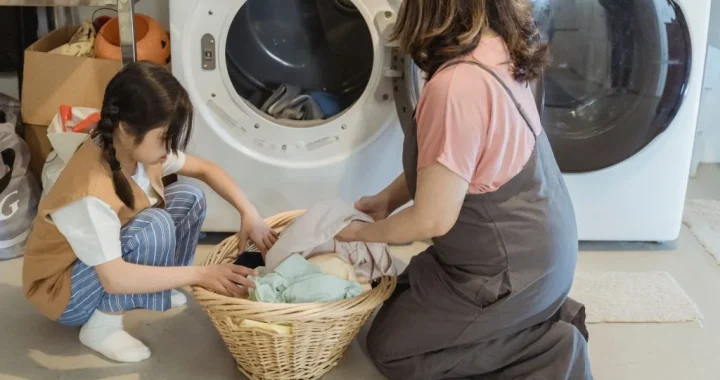
How much energy a family uses is generally down to the things they do all the time. Things like lights, heating, air conditioning, washing clothes, preparing food, and using all their devices make up how much power is needed each day. And little bits of energy being wasted in each of those areas slowly increase your bills over weeks and months.
Home improvement experts will tell you a house which doesn’t use so much energy doesn’t have to be one where you have to change a lot of your normal habits. Better insulation, being mindful of the thermostat, stopping drafts, using energy saving lightbulbs, and making sure appliances are full when you run them all lower waste, and don’t actually make living your life more difficult. The point isn’t to stop using energy altogether, but to get better at using what you need.
This is actually why sensible ways to manage energy in the home are so useful.
Credit: Vecislavas Popa / Pexels
Why efficiency helps during peak demand periods
Lots of us using electricity at once is what causes peak demand. In many places, this is in the hottest part of the afternoon, during warm evenings, or when it’s really cold and heaters are working hard. Even with power from cleaner sources, we still have to deal with these high points in electricity use.
People who plan the power grid point out that using less energy at home cuts down on those sudden huge increases in demand. A house with good insulation won’t need as much air conditioning when it’s very hot, and a good appliance will do its job with less power. Each of these adjustments might not be a lot in a single house, but when you add it up for a whole city it really adds up.
And using less energy makes the whole system more reliable. Reduced demand eases the strain on the power lines and equipment, and gives more leeway for when the amount of electricity being generated goes up and down quickly.
How efficient home habits support cleaner power goals
Getting our energy from cleaner sources isn’t just about creating more clean energy; we also need buildings that don’t use as much, a smarter way of using energy when we need it, and a better way for all the parts of the energy system to work together. People who know a lot about sustainable energy frequently say improving efficiency is the quickest way to get things in proportion.
If we’re careful about how homes use energy, solar and wind power (and other clean sources) can then satisfy a bigger portion of what we actually need. This is particularly helpful because the amount of renewable energy produced fluctuates throughout the day. Reducing waste in our energy use means the clean electricity we do have will stretch to do more.
Because of this, home energy efficiency is frequently thought of as a way of helping cleaner electricity systems work. It allows homes and the whole energy network to run more harmoniously.
What parts of a home affect energy waste most
You might be surprised at what uses the most energy in a home. Heating and cooling are generally the biggest energy hogs, and this is even more true if your insulation isn’t great or if your house has lots of drafts. Then there’s the constant use of lights, your water heater, and older appliances.
Experts who study buildings usually suggest focusing on what you do all the time. A light left on a lot, a room that doesn’t keep in the heat, or an appliance that’s on at a low setting for hours could waste more energy in the long run than something you only do now and then. In fact, being energy smart with things you do every day will usually be the most effective approach.
And don’t forget maintenance. Things like dirty filters, failing seals around windows and doors, and not looking after your systems can steadily lower their efficiency, and you won’t even realize it’s happening.
Credit: Erik Mclean / Pexels
What experts recommend for better home energy efficiency
Most experts say to begin with small, regular improvements. Things like energy-saving light bulbs, using as much natural light as you can, only running the washing machine and dishwasher when they’re completely full, sealing up drafts and adjusting your heating and cooling to be more careful are commonly the first things to do. Plus, these are generally cheap and you can easily keep doing them.
Energy consultants also suggest you find out where you’re wasting the most energy before you do anything big. You might find that a single room without good insulation, a particular appliance you use a lot, or even just something you’ve always done, are responsible for far more waste than you thought. A lot of sensible choices start with understanding what’s going on.
And making your home use energy efficiently is still vital as it makes cleaner electricity go further, be more reliable, and not be thrown away as much throughout the entire energy network.
Frequently Asked Questions
Q: Why does home energy efficiency still matter if electricity is getting cleaner?
A: Experts explain that cleaner power helps, but wasted electricity still adds demand, system pressure, and avoidable household use.
Q: What are the easiest ways to improve home energy efficiency?
A: Efficient bulbs, better draft control, full appliance loads, natural daylight use, and careful thermostat settings are common starting points.
Q: Does home energy efficiency help the wider grid too?
A: Yes. Lower household demand can reduce peak pressure and support more stable electricity systems during busy periods.
Q: Which parts of a home usually waste the most energy?
A: Heating, cooling, lighting, water heating, and poorly maintained appliances are often major sources of energy waste.
Key Takeaway
Saving energy in your home is still a good idea, even if our electricity comes from cleaner sources, because reducing how much energy we use is important too. A decrease in how much power is needed generally means a cleaner, more reliable electricity grid and a more sensible way of using energy in our homes each day. You can easily make a real impact with little changes to how you do things around the house, and they won’t cause any hardship. Basically, being aware of how to use less energy at home explains why it’s important to keep cutting down on energy waste, even as we get cleaner power.