
When it’s hot and dry, saving water is even more critical. This is because people tend to use a lot more of it for things like drinking, staying cool, the garden, and for washing. And at the same time, rivers, lakes (reservoirs) and the moisture in the ground are all getting reduced.
Experts in water, people who plan for droughts and environmental scientists will tell you that a dry spell isn’t just about not having much rain. It’s about how rapidly we go through the water we do have, and how good towns and cities are at looking after it. Because of this, being careful with water is important well before we’re in a really serious situation.
Why water conservation matters when temperatures rise
When it’s hot, we all use a lot more water, for drinking, for more showers, more laundry and for keeping plants alive and for cooling down outside. And at the same time, water evaporates faster from the ground, from lawns, from gardens and from things like ponds or reservoirs.
People who study how we use water in our homes say that as temperatures go up, doing things as normal doesn’t get you as far. Watering the garden will probably need to be done at different times, and drips and leaks which didn’t seem too bad before will start to waste a significant amount of water during long periods of dryness. In fact, lots of people doing small things over and over can put a serious strain on how much water is available in your area.
It’s important to save water because it allows towns and cities to deal with this increased need for it before there’s an emergency. Little changes you make early on are much more effective than having to have strict rules about water usage later.
How dry seasons affect local water supply
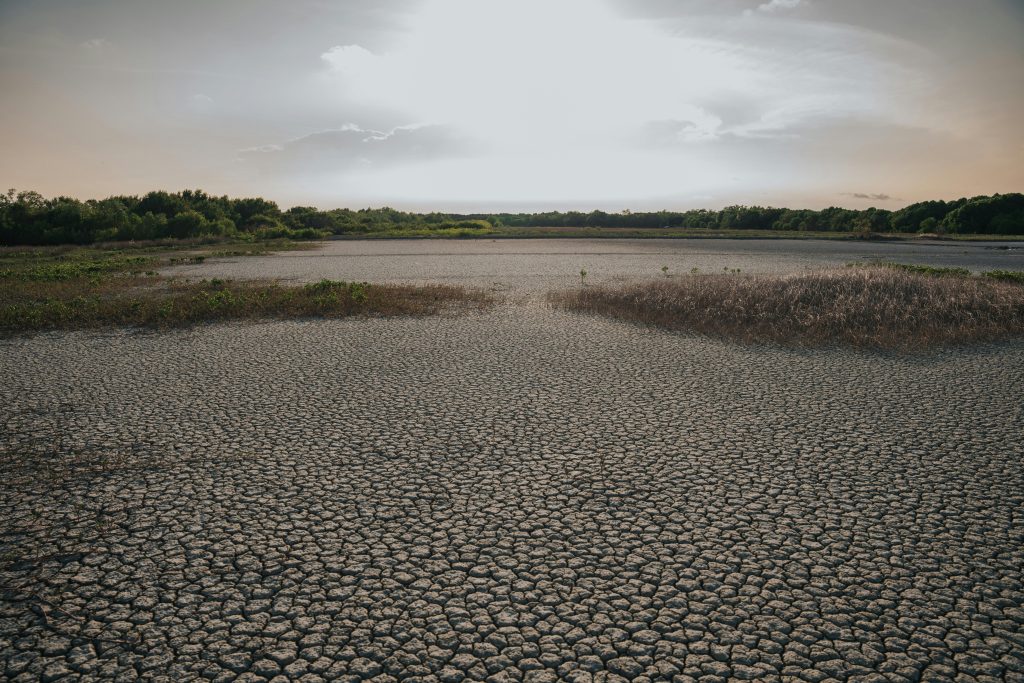
When it doesn’t rain for a good while, rivers, lakes, reservoirs and the water that’s underground all get less fresh water. And if rainfall remains low for a lengthy period, water isn’t replenished as quickly. This impacts everyone, homes, farms, parks, public areas, and the many local services which need a consistent water supply.
Water experts will say difficulties with having enough water aren’t immediately obvious. Reservoir levels might look okay for a period, yet a long dry spell can still put a strain on things in the future. Similarly, groundwater needs quite a while to bounce back once it has been used.
Because of this, being careful with water is frequently called a way of getting ahead of the game. If we use water more thoughtfully when it’s dry, we’re more prepared if the dry time lasts longer or is worse than we thought.
Credit: Long Bà Mùi / Pexels
Why outdoor water use increases during dry season water savings efforts
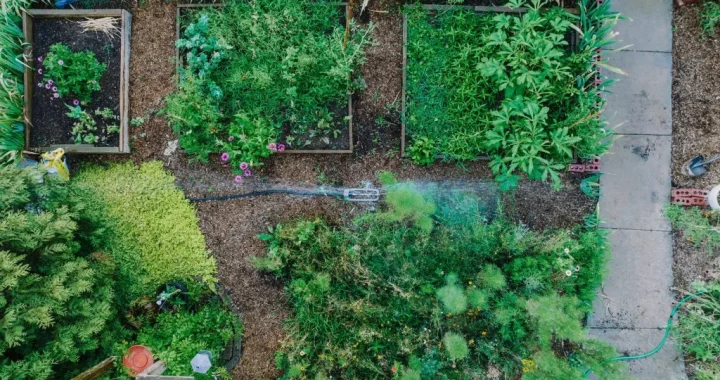
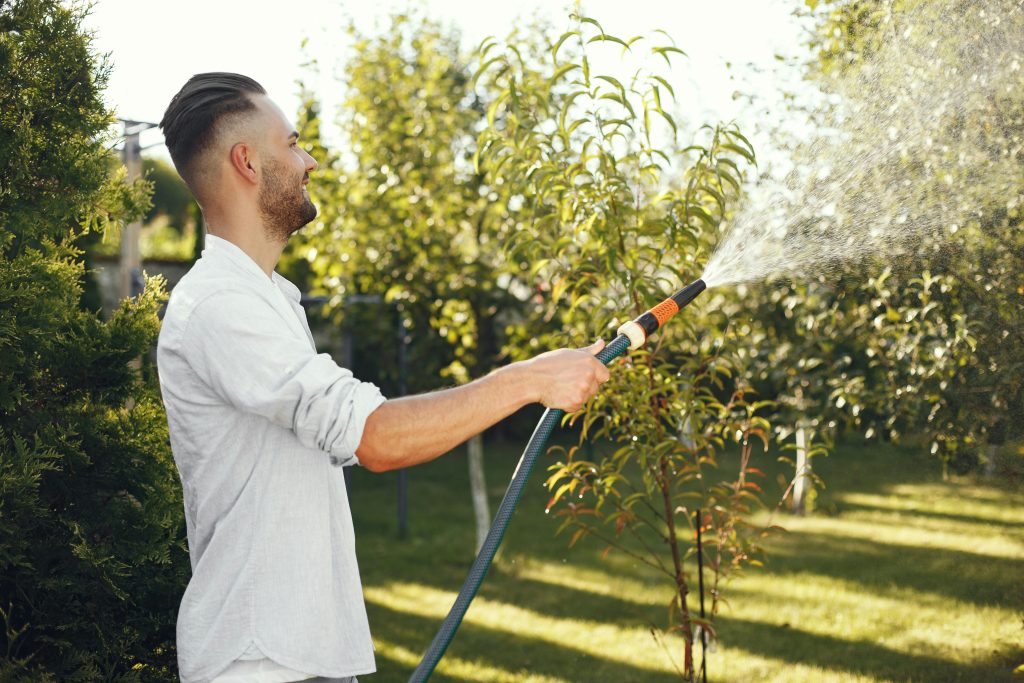
When the weather gets warm, using water outside is frequently where we see the biggest increase in how much water people need. Lots of the water a family uses in the warmer months goes to things like lawns, gardens, plants in pots, and washing down patios and driveways. And in a lot of areas, these are the times of year when rain is at its lowest.
Experts in land and water suggest that when and how you water are as important as just how much you use. Water will disappear less quickly if you water in the early morning or late at night. Soil will also hold onto water for a longer time with mulch, shade, and landscaping that uses plants that don’t need much water.
To really save water during dry spells, it’s best if people think about what watering is absolutely necessary and what can be changed. It’s important to keep plants going, but washing the sidewalk or being too free with the hose just increases the amount of water used unnecessarily.
How indoor habits shape household water use
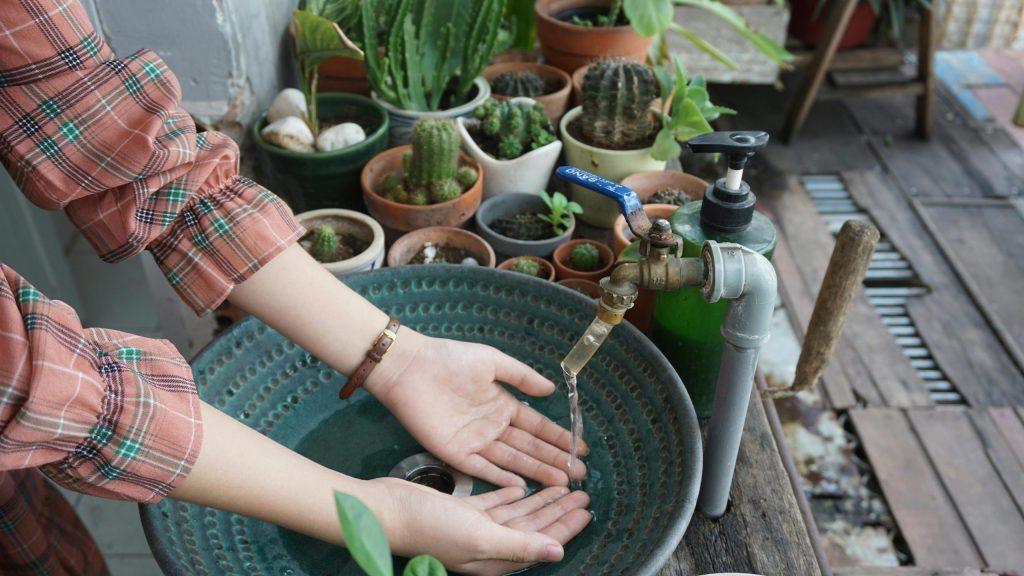
We usually waste water inside the house through what we do all the time, not because we’re deliberately being wasteful. Letting the faucet run too long, not fixing drips, doing little washes, and being wasteful with water when we’re cleaning…they all create a lot of loss. And though each of these things doesn’t seem like a big deal, over many hot weeks they really make a difference.
Advisors who help people with home improvements frequently say you don’t have to feel like you’re giving things up to save water. Filling washing machines and dishwashers completely, running the tap for less time, getting leaks fixed immediately, and just being a bit more careful with water during the day will decrease waste without making life uncomfortable.
When people at home are more conscious of how their water is being used, they’re liable to discover lots of easy ways to use less, and they won’t have to try very hard to do so.
What experts recommend for better water conservation
Generally, professionals say to combine changes to what you do around the house with planning for the future. For your home, you could repair drips, adjust how often you water the garden, use less water for washing outside, and pick plants that don’t require much water. And inside, the way you use your appliances, and how long you run the faucet, can actually save a lot of water.
When it comes to the wider area, saving water can also mean the public getting better information, keeping the pipes and system in good repair, and being more prepared for droughts. Water supplies are most effective when everyone at your place and the people providing the water work together, not on their own.
Scientists and those in charge of water supplies often point out that conservation isn’t just for when things get bad. It’s a good method for being more stable during times of the year with trickier or more changeable weather.
Credit: Gustavo Fring / Pexels
Why early action supports long-term resilience
If we start saving water early, towns and cities will have more choices later on. If people cut back on water they don’t really need before things get desperately dry, the water systems in their area have a longer period to get used to the situation. This eases the pressure on the water everyone shares, and makes it a lot easier to make plans for the whole season.
Experts on drought will tell you that saving water is at its most effective when it is what you regularly do as the warmer months arrive, instead of a hurried attempt at the last minute. A town that considers its water usage during the hot months is in a much stronger position to deal with really bad weather.
Lots of places will continue to have hot, dry spells. Water conservation allows families to adapt with sensible everyday actions, and safeguards both how they live and the water available to the entire community.
Frequently Asked Questions
Q: Why does water conservation matter more during hot weather?
A: Hot weather often increases household water use while also raising evaporation and pressure on local supply systems.
Q: What uses the most water during dry seasons?
A: Outdoor watering, gardening, and unnecessary hose use often make up a large share of seasonal household water demand.
Q: Can small household habits really support water conservation?
A: Yes. Leak repair, shorter tap use, full appliance loads, and better watering times can reduce water waste over time.
Q: Is water conservation only important during drought emergencies?
A: No. Experts often recommend early conservation because it helps communities stay flexible before conditions become severe.
Key Takeaway
When it’s hot and dry, saving water is particularly important. That’s because everyone uses much more, and our local water sources are typically stretched thin. What experts frequently suggest is starting to conserve early by using less water inside the house, being more sensible with water in the yard, and generally being more conscious of how much we throw away. Little adjustments to what we do can safeguard this water we all share before we get into a really difficult situation with too little. And knowing about water conservation is how towns and cities get through hot, dry spells in better shape.