
A bird bath may look like one of the simplest wildlife features a yard can have, but its value depends heavily on care. Fresh water attracts birds, supports bathing, and can help wildlife during warm or dry periods. Yet when the water sits too long, collects debris, or develops a film of dirt and droppings, the same feature can become much less useful than the household intended.
Wildlife gardeners, bird conservation educators, and urban ecology specialists often explain that cleaning a backyard bird bath regularly matters because birds do not only need water. They need water that stays reasonably fresh and inviting. A neglected bath may still hold water, but it does not offer the same quality of support as one that is kept clean and refilled consistently.
Why bird baths matter in the first place
Bird baths help because water is not always easy for wildlife to find in safe, accessible places. In many neighborhoods, natural puddles dry quickly, streams are far away, and hard surfaces dominate the landscape. A shallow backyard water source can therefore become an important stop for birds moving through gardens, fences, trees, and residential edges.
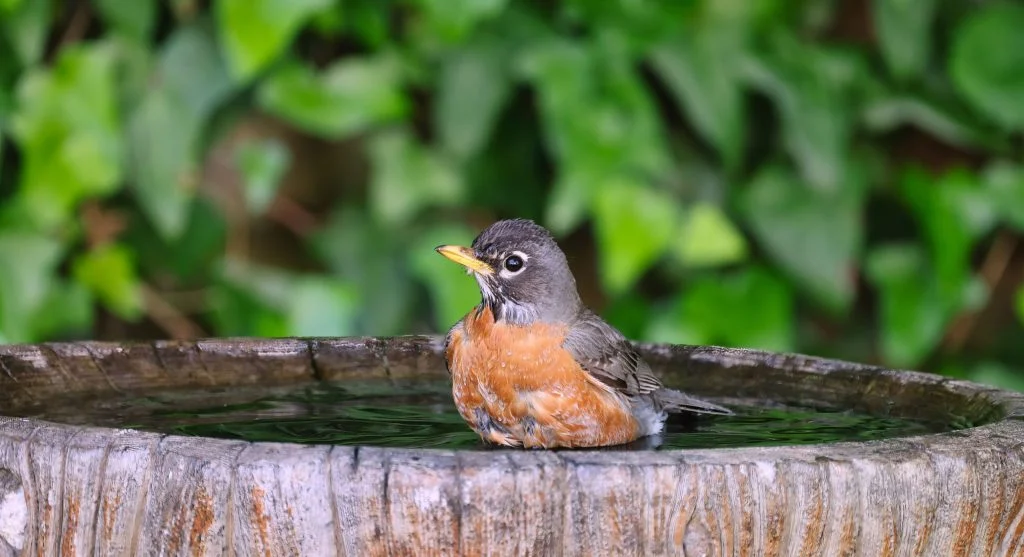
Bird habitat specialists often explain that birds use baths for more than drinking. Bathing helps them maintain feather condition, remove dust, and regulate comfort during warm weather. This makes a bird bath more than a decorative object. It becomes part of how the yard functions as a habitat.
This is why bird baths often attract more activity than people first expect. Water changes how useful a garden feels to wildlife, especially when the rest of the area is dry or heavily built up.
How dirt builds up faster than most households expect
Many people assume a bird bath stays clean as long as it still looks mostly full. In reality, outdoor water changes quickly. Leaves fall in, dust settles, birds bring dirt from their feet and feathers, and sunlight can encourage buildup faster than people realize. Even after only a short time, the bath may begin holding more than just water.
Backyard wildlife advisers often note that the change is gradual enough to be overlooked. The bath still seems to be doing its job, so people stop checking it closely. A little cloudiness, some plant material, or a ring around the edge may not feel urgent, but together these signs often show that the water is becoming less fresh and less appealing.
This is why bird bath care depends on regular attention rather than waiting until the problem becomes obvious.
Why fresh water attracts more reliable bird use
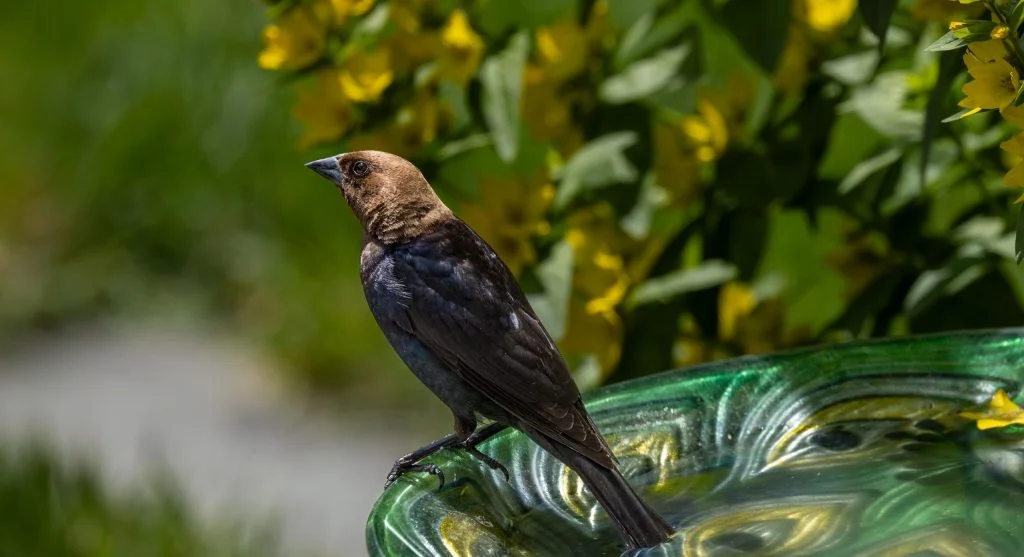
Birds often respond quickly to water that feels cleaner and more usable. A freshly filled bath with a clear shallow surface is easier for birds to approach, drink from, and bathe in. When water becomes stale or debris-covered, the bath may lose some of that appeal, especially if birds have other options nearby.
Bird researchers often explain that wildlife responds to consistency. A bird bath that is regularly refreshed becomes a more dependable resource than one that alternates between useful and neglected. This predictability matters because birds often return to places that have served them well before.
That is one reason regular cleaning matters so much. It does not only improve the water in one moment. It helps the yard remain a trustworthy stop in the local landscape.
How regular cleaning supports healthier local wildlife
Cleaning a backyard bird bath regularly supports healthier local wildlife by reducing the amount of buildup birds come into contact with while drinking and bathing. Fresh water and a cleaner surface create a better condition for repeated use. Since many birds may visit the same bath in a short period, keeping the water source in better shape helps the whole feature stay more supportive over time.
Wildlife care educators often explain that a bird bath works best when it is treated like a living resource rather than a static ornament. A bath may be small, but it is part of a larger ecological routine. Birds come and go, weather changes, and debris keeps arriving. The quality of the bath therefore depends on how often the household resets it.
This is why the task of cleaning matters more than its size suggests. It supports a shared resource that many animals may use across the week.
Why shallow water features need closer attention in warm weather
Warm weather often makes bird bath care more important because heat changes water quickly. Evaporation lowers the level, dust and pollen may collect faster, and birds may visit more often during dry conditions. A bath that looked acceptable two days ago may be much less inviting after a stretch of heat and wind.
Ecology specialists often explain that summer is when many small backyard water sources become most valuable and most demanding at the same time. Birds may rely on them more, but the water also needs more frequent refreshing. This means that the season when the bird bath matters most is often the season when neglect becomes most noticeable too.
That is why regular cleaning is not only a general habit. It is a practical response to how outdoor water behaves in real weather.
What good bird bath placement can and cannot solve
Placement matters, but it does not replace cleaning. A bird bath near shrubs or partial shade may stay somewhat calmer than one in harsh direct sun. It may gather less heat or offer birds a safer nearby retreat. Still, even a well-placed bath will eventually collect dirt, droppings, dust, and organic material. Good placement helps, but it does not eliminate maintenance.
Bird-friendly garden advisers often explain that this is a common misunderstanding. People sometimes think the right location will keep the water “naturally fine” for long periods. In practice, outdoor use always changes the condition of the bath. The placement shapes how the bath functions, while cleaning determines whether it stays worth using.
This distinction matters because the best bird bath is usually both well placed and well maintained.
What experts recommend households notice first
Experts usually recommend paying attention to three simple signs: how often the water level changes, how quickly debris collects, and whether the surface still looks fresh between refills. If the bath is losing clarity, showing rings around the edge, or accumulating leaves and dirt faster than expected, those are useful clues that the care routine needs to happen more often.
They also suggest noticing bird behavior. If birds seem to approach, inspect, and leave without using the bath much, the water condition may be part of the reason. A bath that attracts regular confident use often reflects better ongoing maintenance than one that merely sits full in the yard.
These observations matter because bird bath care works best when it follows real conditions instead of a rigid schedule alone.
Why this fits practical backyard wildlife care
Practical backyard wildlife care often succeeds through small steady habits rather than dramatic changes. Cleaning a backyard bird bath regularly fits that approach because it improves a feature many households already have. The task is simple, repeatable, and often more valuable than adding something new without maintaining it well.
Urban wildlife specialists often explain that a small clean water source can mean more to local birds than a larger neglected feature. Quality matters. A modest bird bath that stays fresh and usable supports wildlife more reliably than one that looks attractive but functions poorly over time.
That is why cleaning a backyard bird bath regularly matters more than many people realize. The water feature is only as helpful as the care that keeps it fresh enough for wildlife to trust and use.
Frequently Asked Questions
Q: Why does cleaning a backyard bird bath regularly matter?
A: It matters because birds need fresh, usable water for drinking and bathing, and debris can build up quickly outdoors.
Q: Is refilling the bird bath enough on its own?
A: Not always. Experts often explain that regular cleaning is also important because debris, dirt, and residue can remain even when new water is added.
Q: Why is bird bath care more important in hot weather?
A: Warm weather often increases evaporation, debris buildup, and bird use, which makes fresh water and more frequent cleaning especially helpful.
Q: Does bird bath placement replace cleaning?
A: No. Good placement can help the bath function better, but outdoor water still needs regular maintenance to stay useful.
Key Takeaway
Cleaning a backyard bird bath regularly matters because a wildlife water source works best when it stays fresh, shallow, and inviting for repeated use. Experts often explain that birds depend not only on the presence of water, but on the condition of that water over time. A simple cleaning habit can therefore make a small backyard feature far more useful than people expect. Understanding this helps households support healthier local wildlife through one of the easiest forms of practical garden care.