
Pantry food often looks safe simply because it is unopened, which is one reason it can be wasted so quietly. A household may buy canned beans, tomatoes, broth, soup, sauces, nut butters, or jars of shelf-stable ingredients with every intention of using them. But once newer items are placed in front of older ones, the pantry begins hiding food in plain sight. Months later, the household may discover products it forgot it even had.
Food waste educators, kitchen organization experts, and home economists often explain that shelf-stable foods are not immune to waste. They are simply wasted more slowly and less dramatically than fresh foods. Rotating pantry cans and jars by date helps prevent this by making older items easier to see and easier to use before newer purchases take their place in the household routine.
Why pantry waste is harder to notice than fridge waste
When food spoils in the refrigerator, the problem becomes obvious quickly. A soft vegetable, sour smell, or visible mold forces attention. Pantry waste is different. A can or jar can sit quietly on a shelf for a long time without demanding immediate action. Because nothing looks wrong from the outside, the household may assume the system is working even when older food is slowly becoming forgotten.
Kitchen researchers often note that this kind of waste is especially easy to miss because it rarely feels urgent. People notice when they run out of something, but they do not always notice when they keep buying the same item while older versions stay buried behind it. This creates a hidden cycle of duplication where the pantry looks full, the shopping continues, and older food loses its place in the meal system.
This is why pantry waste can accumulate with almost no warning. The food is still present, but it has quietly dropped out of use.
How date rotation changes everyday food use
Rotating pantry cans and jars by date changes everyday food use by giving older items a clearer path back into meals. The rule is simple: older products move forward, newer ones go behind them. This small action makes the pantry easier to read because what needs using first becomes the most visible part of the shelf.
Home organization specialists often explain that visibility drives action. If the can of chickpeas bought six months ago is in front, it is far more likely to become tonight’s salad, soup, or pasta addition. If it is hidden behind a fresh row of newer cans, the household may forget it completely and open the newest one instead. That repeated pattern is where shelf-stable waste often begins.
This is why pantry rotation is more than tidiness. It is a practical way to keep the oldest usable food active in daily cooking.
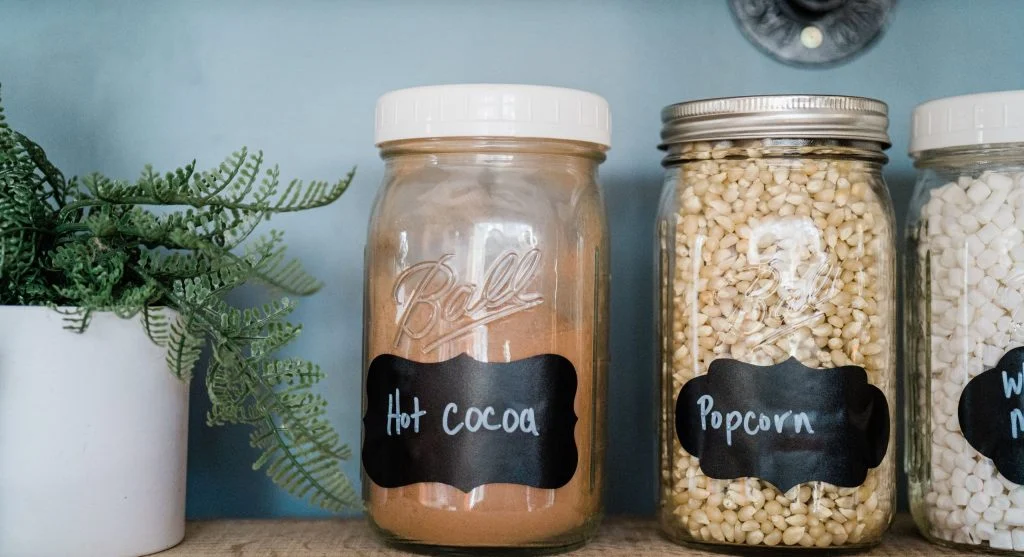
Why shelf-stable food still needs a system
Many households assume pantry foods take care of themselves because they last longer than fresh ingredients. In reality, longer shelf life often means stronger organization is needed, not less. The slower pace gives the household more time to forget what is already there. A product that can sit safely for months also has months to become invisible if the shelf has no order.
Food storage advisers often explain that a pantry without rotation tends to become a place of overlap. Three cans of tomatoes may sit together from three different shopping trips. Two jars of pasta sauce may be opened in the wrong order. Extra broth might be purchased even though an older carton is already on the back shelf. Without a system, longer-lasting food often becomes harder to track rather than easier.
This is why shelf-stable foods benefit from clear placement rules. Their long life increases convenience, but it also increases the chance of quiet neglect.
What kinds of pantry items benefit most from rotation
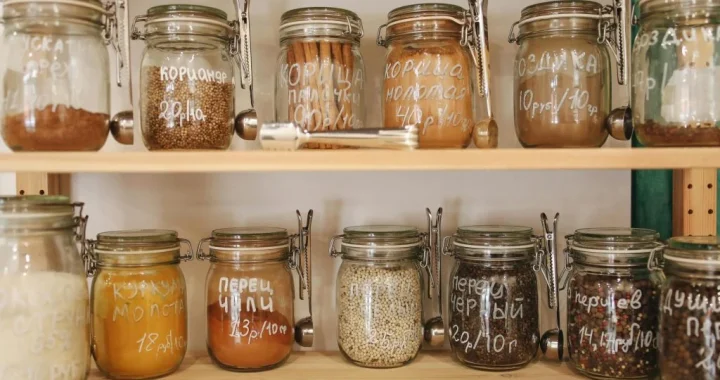
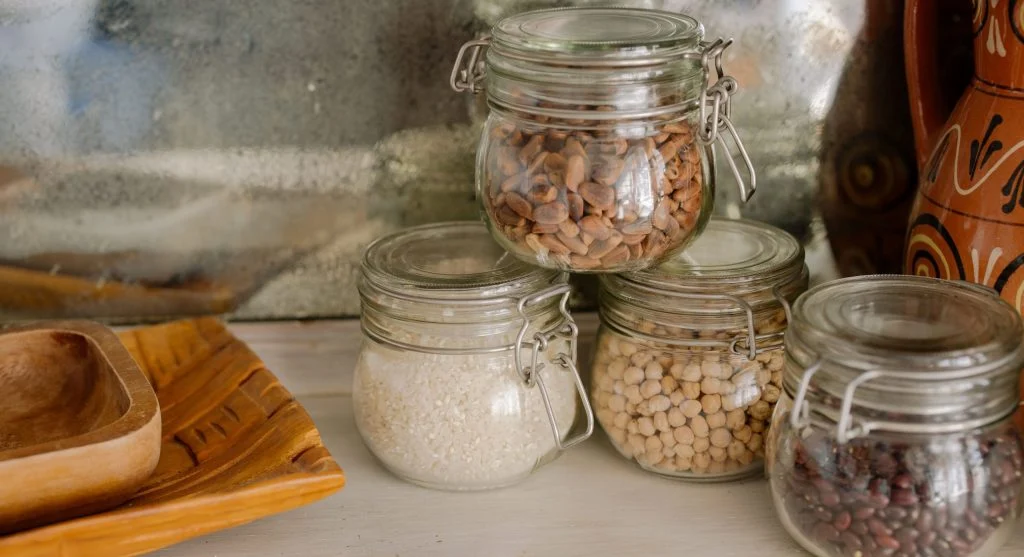
Almost any shelf-stable item can benefit, but the system is especially useful for products households buy repeatedly. Canned beans, tomatoes, soups, broths, tuna, sauces, nut butters, jars of curry paste, cooking sauces, olives, and packaged grains often move in and out of the pantry regularly. Because they are bought often, they are also the easiest items to duplicate accidentally.
Kitchen planners often explain that repeat purchases create the strongest case for rotation. A rarely bought specialty item may not cause as much confusion because it stands out. A common item bought every two weeks can disappear into a pattern of routine restocking. That is where older cans and jars are most likely to get pushed back and forgotten.
This means the pantry products people rely on most often are sometimes the ones that most need a rotation system.
Why shopping habits and pantry habits are closely linked
Pantry waste does not begin only on the shelf. It often begins during shopping. When households cannot see older items clearly at home, they are more likely to buy duplicates without realizing it. Later, the pantry becomes fuller, more crowded, and harder to navigate, which makes the next round of duplicate buying even more likely.
Household planning experts often explain that pantry rotation helps break this cycle by making the shelf easier to read before shopping and easier to use after shopping. A well-rotated shelf shows what the household truly has, what is running low, and what should be used soon. This reduces both unnecessary buying and overlooked older stock.
That is why pantry organization is also a shopping issue. The way food sits at home affects the way new food enters the home later.
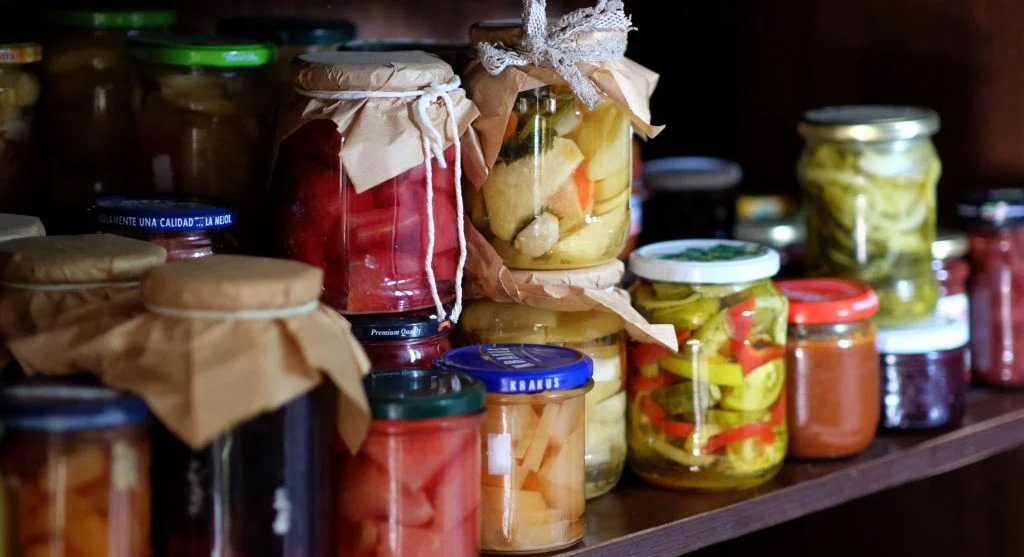
How rotation makes meal planning easier too
Date rotation is not only about avoiding waste. It can also make meals easier to plan. When older items are already visible, the pantry begins offering clearer meal ideas. A front row of beans, tomatoes, lentils, and broth suggests soups, stews, pasta dishes, and quick skillet meals. A visible older jar of sauce is more likely to become part of dinner than one buried behind newer stock.
Meal planning educators often explain that people cook more easily from what they can see. A pantry organized by “use first” logic supports that visibility. This often reduces decision fatigue because the shelf itself helps answer the question of what could be cooked next.
This matters because food waste falls most effectively when older food is not only stored well, but also made easy to imagine in a real meal.
What experts recommend households do first
Experts usually recommend starting with one shelf or one category rather than trying to overhaul the entire pantry at once. Beans, canned tomatoes, soups, broths, or sauces are often good first choices because they are commonly repeated items. The household can then place the oldest items in front, newer items behind, and keep that pattern going after each shopping trip.
They also suggest making rotation part of unpacking groceries rather than a separate organizing project. When new cans and jars enter the home, the older ones simply move forward automatically. This makes the system much easier to maintain because it becomes part of a routine the household is already doing.
These first steps work well because they rely on consistency more than effort. A small repeatable habit often does more good than one large pantry reset that never gets maintained.
Why this fits practical lower-waste cooking
Practical lower-waste cooking depends on using what is already in the home before buying and opening more. Rotating pantry cans and jars by date fits that goal because it keeps older shelf-stable food in active circulation. Instead of allowing products to drift into the back of the pantry, the household keeps them close enough to be seen, chosen, and turned into real meals.
Food waste researchers often explain that many homes already have more meal potential than they realize. The problem is not always lack of food. It is lack of visibility and sequence. Date rotation solves that by restoring order to one of the least dramatic but most repeatedly wasted parts of the kitchen.
That is why rotating pantry cans and jars by date can prevent more food waste than people expect. The system is simple, but it protects shelf-stable food from becoming invisible, duplicated, and quietly lost over time.
Frequently Asked Questions
Q: Why does rotating pantry cans and jars by date reduce food waste?
A: It reduces food waste by keeping older products visible and easier to use before newer purchases replace them in the household routine.
Q: Which pantry items should be rotated first?
A: Repeatedly bought items such as beans, soups, tomatoes, broths, sauces, and jars of common ingredients are often the best place to start.
Q: Does pantry rotation help with shopping too?
A: Yes. Experts often explain that better pantry visibility can reduce duplicate buying and make it easier to know what the household already has.
Q: Does the whole pantry need to be reorganized at once?
A: No. Many households get the best results by starting with one shelf or one common food category and building from there.
Key Takeaway
Rotating pantry cans and jars by date can prevent more food waste than people expect because shelf-stable foods are often lost through invisibility rather than spoilage alone. Experts often explain that older items need to remain visible if they are going to stay active in the household meal system. A simple older-in-front routine can reduce duplicate buying, strengthen meal planning, and help the pantry work more effectively. Understanding this habit can help households waste less by making the food they already own easier to find and use.