
Storing leftover sauce in small portions can help households waste less food because sauces are often saved with good intentions but forgotten once they are packed away in one large container. Pasta sauce, curry sauce, soup base, stir-fry sauce, and other cooked mixtures may be useful later, but they are much easier to reuse when the amount matches a real meal need.
Food waste educators, home cooking specialists, and kitchen organization researchers often explain that portioned food storage works better than bulk leftover storage in many busy homes. A large container may seem efficient at first, yet it often becomes harder to use because it feels like too much for one meal and too little for a full family dinner. Small portions help solve that problem.
Why storing leftover sauce in small portions matters in home kitchens
Leftover sauce is common because sauces are often cooked in larger batches than one meal requires. A pot of tomato sauce, lentil curry, vegetable stew base, or blended soup may leave enough for later use, but not always in a quantity that fits the next day’s plans. When the leftover is stored in one big container, it may feel less flexible than it really is.
Kitchen routine experts often explain that storing leftover sauce in small portions matters because flexibility is one of the strongest tools against food waste. If a household can use one portion for lunch, another for a quick dinner, or a third as part of a new recipe, the leftover is much more likely to stay part of the meal system.
This matters because many good leftovers become waste not because they were unwanted, but because they were stored in a form that was harder to use later.
How storing leftover sauce in small portions helps households waste less food
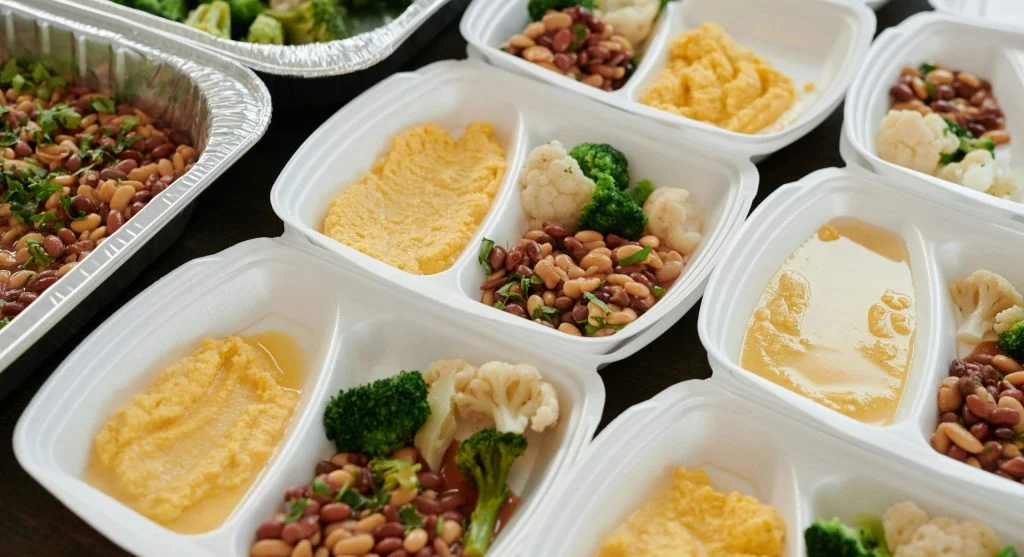
Storing leftover sauce in small portions helps households waste less food by making the leftover easier to match with future meals. A single portion may work for one quick lunch. Two portions may help complete pasta night. A small amount may become part of a grain bowl, a wrap filling, or a cooked vegetable dish. These flexible options are much easier to manage than one large leftover block.
Waste reduction specialists often note that leftovers are most likely to be used when they feel immediately practical. A portion-sized container gives the household that feeling. It turns the leftover from a general “maybe later” item into something that already looks like food for a real occasion. That visual clarity makes a major difference.
This is why storing leftover sauce in small portions often works better than storing everything together. The portion itself helps answer the question of how the food will be used next.
Why large leftover containers often stay unused too long
Large leftover containers often stay unused because they require more planning than people expect. A person opening the fridge may see one big container of sauce and think it should be used for a full meal later in the week. Until that larger meal is planned, the sauce may stay untouched even when smaller amounts could have been useful sooner.
Food storage educators often explain that this is a common pattern. The leftover is too valuable to throw away and too large to use casually, so it stays in an uncertain middle zone. Over time, uncertainty leads to delay, and delay often leads to waste. Small portions reduce that hesitation because they feel easier to use without reorganizing the whole meal plan.
This is one reason portioned storage supports lower waste. It reduces the mental work needed to turn leftovers into actual food.
How small portions support easier meal planning
Easier meal planning often comes from keeping useful ingredients in forms that match real daily life. A small portion of sauce can support a quick lunch, a simple side dish, or a fast dinner for one or two people. It can also help households fill small gaps in the week without needing to cook a new sauce from the beginning.
Home cooking specialists often explain that prepared components are most useful when they are already divided into manageable amounts. A container that holds just enough for one realistic use makes the next step obvious. This can help busy households keep meals moving even when time, energy, or schedule changes make full cooking harder.
That is why storing leftover sauce in small portions often supports both convenience and waste reduction. The same habit helps the kitchen stay practical and lower-waste at once.
Why portioning can make freezing leftovers more useful
Many sauces freeze well, but freezing is often most helpful when the sauce is already divided. A large frozen block may be harder to thaw and use quickly, while smaller portions are easier to take out only as needed. This helps the household avoid thawing too much and repeating the same leftover problem again later.
Kitchen organization advisers often note that good freezer habits depend on easy access and realistic sizing. If one portion can be used for a small meal and two or three portions can support a larger one, the household gains more flexibility without losing track of the leftover. The sauce becomes a practical resource rather than a distant backup item.
This is why portioning often improves both refrigerator storage and freezer storage. It gives the leftover a clearer role in future meal decisions.
What experts recommend households notice first
Experts usually recommend paying attention to which leftovers are reused quickly and which ones often stay in the fridge too long. If sauces, soups, or cooked bases repeatedly go unused despite good intentions, the issue may be less about the food itself and more about the storage format. This pattern often becomes clear after only a few weeks of observation.
Food waste educators also suggest starting with simple realistic portion sizes rather than trying to guess every future meal perfectly. A household often learns quickly whether one-cup portions, single-meal containers, or small family servings work best. The key is not perfection. The key is making the leftover easy enough to use that it does not become forgotten.
This matters because the strongest kitchen systems often grow from small repeated adjustments instead of one complicated plan.
Why storing leftover sauce in small portions fits practical lower-waste living
Practical lower-waste living works best when storage supports real behavior. Storing leftover sauce in small portions fits that goal because it preserves useful food in a form the household can actually use without delay. It helps reduce waste not by changing what people cook, but by changing how leftovers stay available afterward.
Waste reduction researchers often explain that many food losses happen after good cooking, not before it. A meal is prepared well, the extra food is saved, and then the leftover fades from use because it is too awkward or unclear to fit the next meal. Small portions solve that problem by giving the leftover a clearer path back into the kitchen routine.
That is why storing leftover sauce in small portions can help households waste less food. It turns one common leftover into a more flexible, visible, and practical part of everyday meal planning.
Frequently Asked Questions
Q: Why does storing leftover sauce in small portions reduce food waste?
A: It reduces food waste by making the leftover easier to use for real meals instead of leaving it in one large container that may be delayed too long.
Q: Are small portions better than one large container?
A: In many homes, yes. Experts often explain that smaller portions are more flexible and easier to match with quick meals later.
Q: Does this help with freezer storage too?
A: Yes. Smaller portions are often easier to freeze, thaw, and use without taking more than the household actually needs.
Q: What types of sauces work well for this habit?
A: Pasta sauces, curry sauces, soup bases, blended vegetable sauces, and many other cooked mixtures can often work well in small portions.
Key Takeaway
Storing leftover sauce in small portions helps households waste less food because portioned storage makes leftovers easier to see, easier to plan around, and easier to use in real daily meals. Experts often explain that practical meal planning improves when leftover foods already match realistic serving sizes. This simple habit supports both convenience and lower waste. Understanding the value of storing leftover sauce in small portions helps turn a common leftover into a reliable kitchen resource.