
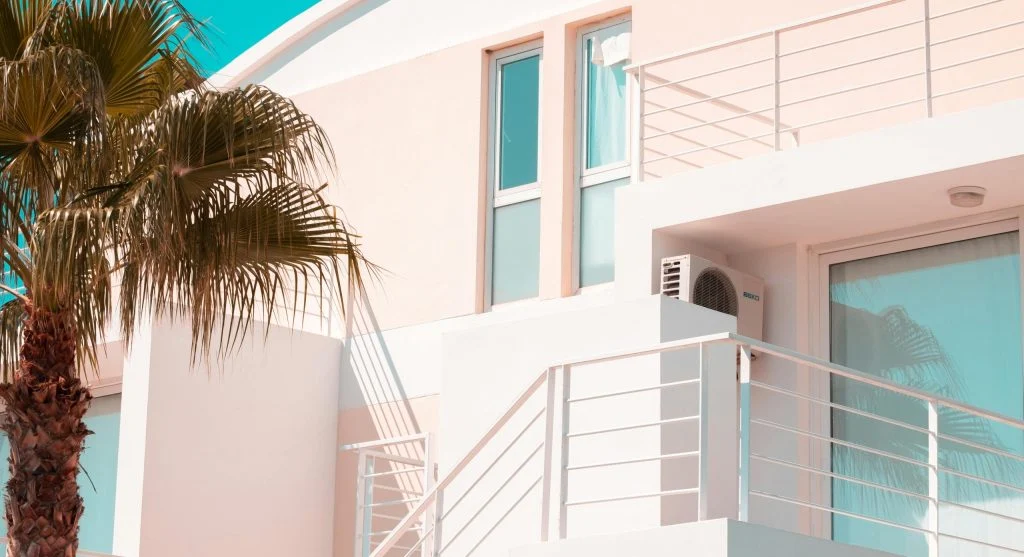
Sun-heated exterior walls can make nearby rooms feel warmer for hours because walls do not only separate indoor and outdoor space. They also absorb sunlight, store warmth, and release part of that heat over time. When one side of a house faces strong afternoon sun, the room behind that wall may stay warmer than the rest of the home even after direct light has moved away.
Building specialists, climate researchers, and indoor comfort advisers often explain that home heat does not come only through windows. Exterior materials matter too. Walls exposed to long hours of sun can quietly become part of the indoor heat problem, especially during repeated hot days when the home has less time to cool fully between one afternoon and the next.
Why sun-heated exterior walls matter in hot weather
Many households think first about windows when a room gets too warm. Windows are important, but walls can matter more than people expect, especially in rooms with strong afternoon exposure. A bright exterior wall may sit under direct sun for hours, collecting warmth that then influences the indoor space behind it long after the light changes.
Building experts often explain that sun-heated exterior walls matter because they add another layer to indoor heat buildup. A room may not seem especially sunny inside, yet still feel warmer because the outside wall has been taking in heat steadily from the day’s strongest sun. This is especially common in west-facing rooms and upper levels with long afternoon exposure.
This is one reason some rooms feel unexpectedly warm even when curtains are closed and windows are shaded. The heat may be arriving through the wall rather than only through the glass.
How sun-heated exterior walls make nearby rooms feel warmer
Sun-heated exterior walls make nearby rooms feel warmer by absorbing solar energy outside and then releasing part of that heat inward over time. The process is not always immediate. Instead, the wall may warm gradually through the afternoon and keep affecting the indoor room well into the evening. This delayed pattern is one reason the cause can be easy to miss.
Indoor climate researchers often note that people tend to notice heat when the room already feels uncomfortable, not when the wall is first starting to warm. By the time discomfort becomes obvious, the wall may already be storing a significant amount of heat. This can make the room feel slow to recover, even if outdoor air is beginning to cool.
That is why sun-heated exterior walls can matter so much in daily home comfort. The heat they hold often outlasts the brightest part of the day.
Why wall heat often lingers after the sun moves away
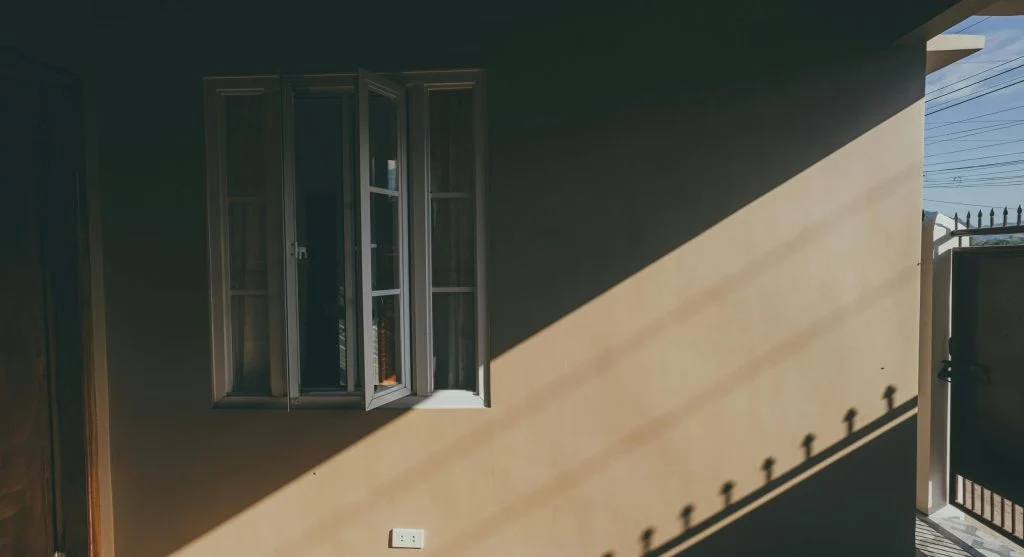
Wall heat often lingers because building materials do not cool instantly. Brick, concrete, stucco, siding layers, and other exterior surfaces can hold warmth after direct sun is gone. That stored heat may continue moving through the wall or warming the air around it for hours, depending on the structure and the length of exposure.
Building advisers often explain that this is why rooms can still feel warm at sunset even when the window is no longer bright. The wall has become a delayed heat source. Instead of gaining warmth only in the moment of sunlight, the room is dealing with heat that was stored earlier and is now being released more slowly.
This delayed effect often makes evening comfort harder to understand. People may assume the room should be cooling already, but the wall is still catching up with the day.
How room direction changes the effect of wall heating
Room direction plays a major role in how strongly exterior wall heat is felt. A west-facing wall often collects some of the most intense late-day sunlight, which can make rooms behind it especially uncomfortable in the afternoon and early evening. South-facing walls may also gain long hours of sun, while other directions often behave differently depending on local conditions.
Climate specialists often note that this is why two nearby rooms can feel very different under the same outdoor temperature. One room may sit behind a heavily exposed wall, while another is protected by shade, orientation, or surrounding features. The result is often an uneven indoor experience that seems confusing until the outside wall exposure is considered.
This helps explain why some households describe one room as always being “the hot room.” The outside wall may be doing much of that work.
Why upper rooms often feel the effect more strongly
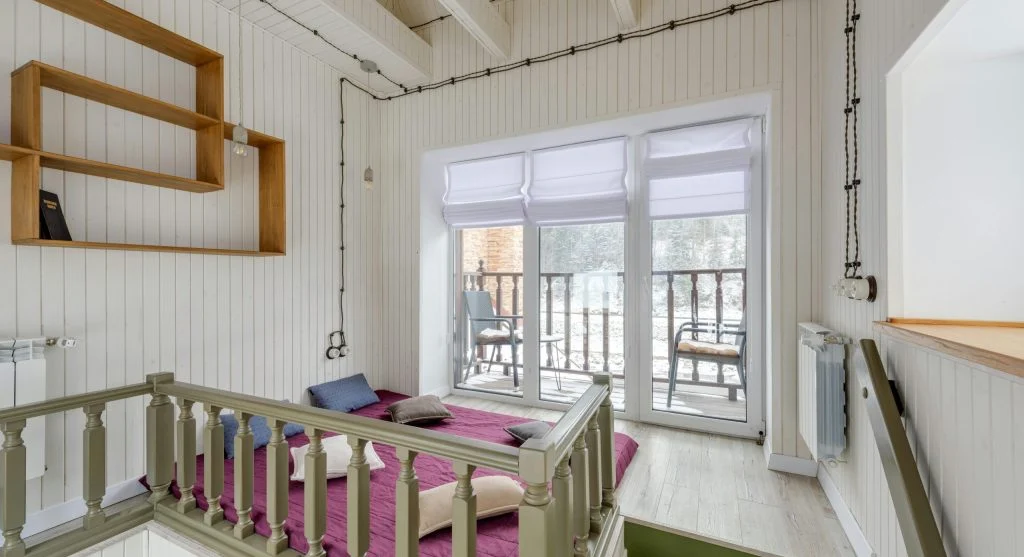
Upper rooms often feel the effect more strongly because they may be exposed to both sun-heated exterior walls and extra heat from the roof area. This double pressure can make upstairs bedrooms, offices, or guest rooms feel harder to cool than lower spaces. If the wall receives strong afternoon sun and the room also has limited airflow, the discomfort often builds quickly.
Home comfort specialists often explain that this combination is one reason upstairs rooms can stay warmer into the evening. Even if the window is shaded, the wall and ceiling may still be releasing stored heat. In homes with several hot days in a row, this effect can become even more noticeable because the building starts each new day from a warmer baseline.
This is why upper-floor room comfort often depends on more than air temperature alone. The surfaces around the room are part of the problem too.
What experts recommend households notice first
Experts usually recommend noticing when a room becomes warmer and whether that timing matches strong sun on the outside wall. If the room heats up after several hours of direct sun on one side of the house, or stays warm longer than nearby rooms after sunset, the wall may be a major factor. The pattern often repeats at the same time on similar weather days.
Building researchers also suggest paying attention to the feel of surfaces inside the room. If a wall feels warmer than expected in the late afternoon or evening, that may point to stored wall heat rather than only poor airflow. These clues often explain why standard comfort steps seem to work only partly in certain rooms.
This kind of observation matters because it helps households see that the room is responding to the structure of the home, not only the outside air.
Why this is a practical home comfort issue
Sun-heated exterior walls matter because they affect the rooms people actually use for rest, work, and sleep. A room that stays warmer for hours after the sun moves can change evening routines, increase fan or cooling use, and make parts of the home feel less usable during hot weather. The issue may seem small at first, but it often shapes daily comfort more than expected.
Climate and housing experts often explain that home comfort depends on how the whole building responds to sunlight, not just on thermostat settings or open windows. Exterior walls are part of that response. They can either limit heat or quietly store and release it depending on exposure, material, and time of day.
Understanding why sun-heated exterior walls make nearby rooms feel warmer helps explain a common summer frustration. Sometimes the room is not staying hot because the heat is still coming in through the air. Sometimes it is staying hot because the house itself has been holding the day inside its walls.
Frequently Asked Questions
Q: Why do exterior walls make rooms warmer in summer?
A: Exterior walls can make rooms warmer because they absorb sunlight outside and release some of that stored heat inward over time.
Q: Why does the room stay warm even after the sun moves away?
A: Experts often explain that the wall may still be releasing heat it stored earlier in the day, so the room cools more slowly.
Q: Which rooms are most affected by sun-heated walls?
A: Rooms behind strongly sun-exposed walls, especially west-facing or upper rooms, are often affected the most.
Q: Is window shading still useful if the wall is heating up?
A: Yes. Window shading still helps, but some rooms may stay warm because the wall itself is also adding heat.
Key Takeaway
Sun-heated exterior walls can make nearby rooms feel warmer for hours because exterior materials often absorb sunlight and release heat slowly into the indoor space behind them. Experts often explain that this stored wall heat can shape daily home comfort as much as windows and airflow do. The effect is especially noticeable in west-facing and upper rooms during hot weather. Understanding this pattern helps households see why some rooms stay warm long after direct sunshine seems to be gone.