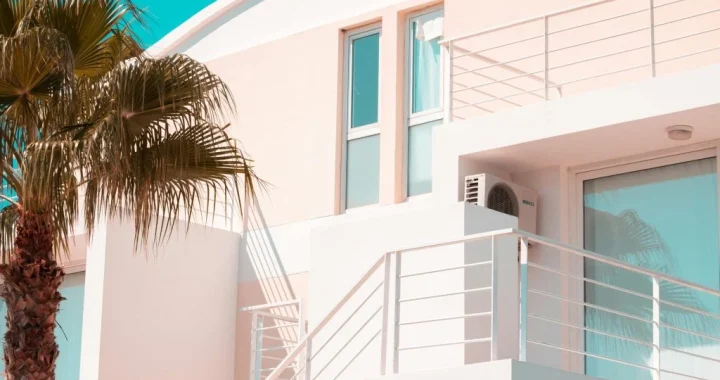

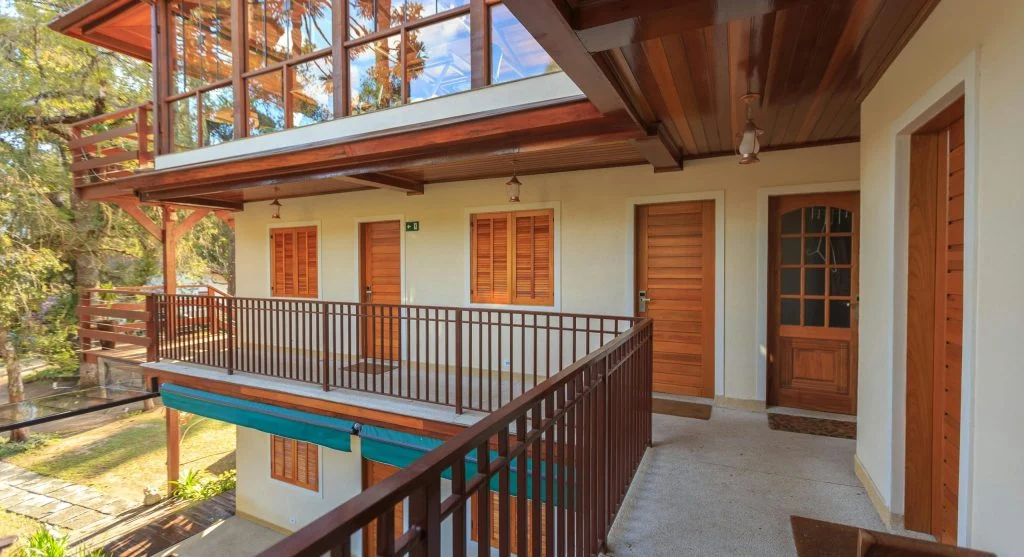
Warm balconies and patios can keep nearby indoor rooms hotter into the evening because hard outdoor surfaces often absorb strong sunlight during the day and release that heat slowly later. A balcony outside a bedroom or a patio beside a living room may still give off warmth after sunset, reducing the cooling relief people usually expect in the evening.
Building specialists, climate researchers, and home comfort advisers often explain that evening comfort depends on the surfaces around a home, not just the air inside it. If a balcony, terrace, or patio stays hot for hours, nearby windows, doors, and exterior walls may remain surrounded by warmer air than households realize. This can make the connected indoor room feel slower to recover from daytime heat.
Why warm balconies and patios matter around homes
Balconies and patios are often seen mainly as outdoor living areas, but in hot weather they can also act like heat-holding surfaces attached to the home. Concrete, tile, stone, wood decking, railing materials, and nearby walls may all collect warmth throughout the day. Once the sun starts to drop, those materials do not cool down right away.
Home comfort experts often explain that warm balconies and patios matter because they sit directly beside doors, windows, and room edges that households rely on for evening comfort. A hot outdoor surface near a bedroom door or living room window can make that part of the home feel warmer than expected, even after direct sunlight has faded.
This is one reason some rooms stay stubbornly warm at night while others cool more quickly. The outdoor space next to them may still be holding onto the day’s heat.
How warm balconies and patios can keep nearby indoor rooms hotter
Warm balconies and patios can keep nearby indoor rooms hotter by warming the air just outside the building and continuing to release stored heat toward nearby walls, doors, and window areas. If the room is already trying to cool after a hot day, that extra warmth outside can slow the process and make it less effective.
Indoor climate researchers often note that the issue is not only direct sunlight entering the room. It is also the lingering heat just beyond the wall or glass. A balcony or patio that stays warm well into the evening can reduce the feeling of cooling around the building edge, which affects the room on the other side.
This is why some indoor spaces feel hotter into the evening even when the thermostat has started to drop. The nearby outdoor environment may still be sending warmth back toward the home.
Why hard outdoor surfaces stay warm after sunset
Hard outdoor surfaces stay warm after sunset because many of them absorb and store heat during bright hours instead of releasing it quickly. Concrete, tile, brick, and stone are especially noticeable in this way. Even when the sky grows dim and the sun is no longer direct, the material may still feel warm to the touch and continue affecting the air above it.
Climate specialists often explain that this stored outdoor heat is one reason evening cooling can feel weaker than expected. People may see the lower sun and assume the space should already feel fresher. But the surface beneath their feet may still be acting like a heat source for hours afterward.
This makes patios and balconies more important than they may seem at first. They are not only places where people sit. They are also part of the home’s evening heat environment.
How nearby windows and doors are affected by patio heat
Windows and doors beside warm outdoor surfaces often feel the effect first. If a balcony sits directly outside a bedroom door, or a patio stretches along a large living room window, the air around that opening may stay warmer for longer. This can weaken the cooling benefit of opening the space later or simply make the room feel less refreshed from the edges inward.
Building advisers often explain that this matters because many homes depend on those openings for evening relief. If the outdoor space just beyond them is still giving off warmth, the opening may not provide the comfort people expected. The nearby indoor room may stay stuffier or take longer to cool than a similar room facing a cooler yard or shaded side of the house.
This helps explain why one room can feel harder to cool than another within the same home. The outdoor surface conditions beside each room are not always the same.
Why repeated hot days make balcony and patio heat more noticeable
During one warm day, a patio or balcony may feel hot but manageable. During several hot days in a row, the effect often becomes stronger because the building and surrounding surfaces have less time to release all the stored warmth. Each afternoon adds more heat, and each evening begins from a warmer starting point.
Climate researchers often explain that repeated hot weather changes how ordinary residential spaces behave. A balcony that felt only mildly warm early in the week may become a much stronger evening heat source by the third or fourth hot day. This can affect nearby bedrooms, living spaces, and even the household’s evening routines.
That is why warm balconies and patios often become more noticeable over time. The issue grows as stored heat starts repeating each day instead of clearing fully overnight.

Frequently Asked Questions
Q: Why do balconies and patios stay warm after sunset?
A: They stay warm because hard outdoor materials often absorb sunlight during the day and release that stored heat slowly afterward.
Q: Can a hot patio really affect an indoor room?
A: Yes. Experts often explain that warm outdoor surfaces near walls, windows, and doors can keep nearby indoor rooms hotter into the evening.
Q: Which rooms are affected most by this kind of outdoor heat?
A: Rooms directly beside sun-exposed balconies, terraces, or patios are often affected the most, especially bedrooms and living areas with large openings.
Q: Why is the problem worse during repeated hot days?
A: Repeated hot days reduce how much time surfaces have to cool fully, so stored outdoor heat builds up and lingers longer around the home.
Key Takeaway