
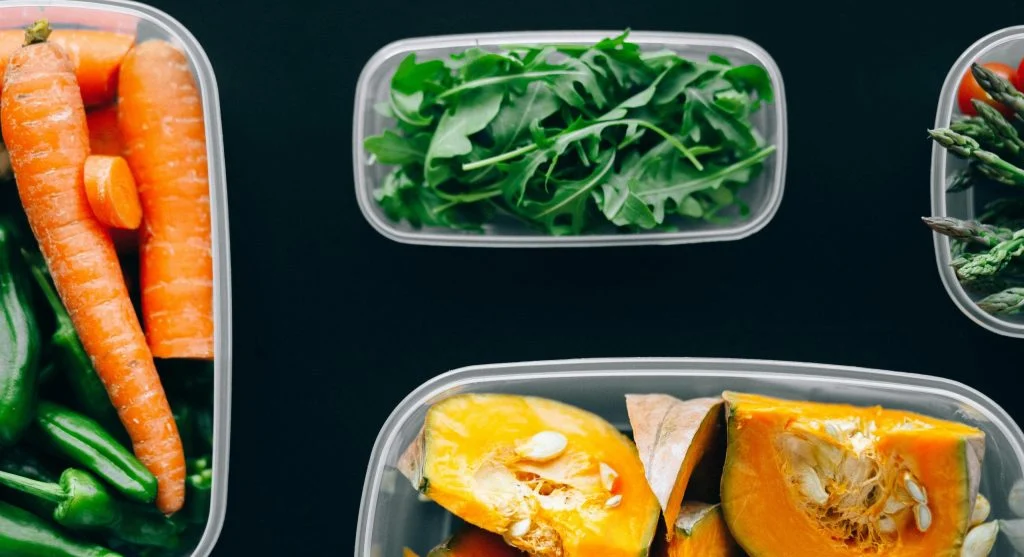
A small container for loose scraps can make kitchen waste easier to manage because many food scraps are created in quick, repeated moments rather than all at once. Onion peels, herb stems, fruit tops, eggshells, tea bags, coffee grounds, and vegetable trimmings often appear during meal prep faster than people want to walk back and forth to a larger bin.
Waste reduction educators, kitchen organization specialists, and food system researchers often explain that lower household waste depends on making the right action easy in the exact moment it is needed. A small container for loose scraps works because it gives food prep waste one clear temporary place before the household decides whether it belongs in compost, food scrap collection, or another organized waste stream.
Why a small container for loose scraps matters in busy kitchens
Most kitchens produce small scraps while people are already focused on another task. Someone is chopping vegetables, packing lunch, peeling fruit, or cleaning up after dinner. During those fast routines, even a good household waste system can feel inconvenient if the right destination is too far away or too awkward to use again and again.
Kitchen behavior experts often explain that a small container for loose scraps matters because it matches the pace of real cooking. Instead of balancing peels on the counter, dropping wet scraps into the sink, or making repeated trips to a larger bin, the household can collect them in one easy place right beside the work area.
This matters because waste habits often succeed or fail through small moments of friction. If the better choice feels simpler, people are far more likely to keep using it.
How a small container for loose scraps makes kitchen waste easier to manage
A small container for loose scraps makes kitchen waste easier to manage by separating the messy early stage of food waste from the later stage of disposal. During prep, scraps gather quickly and irregularly. A nearby container keeps them contained until the meal is finished or the cleanup stage begins. At that point, the whole container can be emptied in one trip.
Waste reduction specialists often note that the real benefit is not only convenience. It is clarity. When peels, stems, and trimmings have a designated place, counters stay cleaner, sorting stays easier, and the household is less likely to mix useful food scrap material into general trash by accident.
This is one reason a small prep-stage system often helps more than people expect. It improves the flow of the whole kitchen routine, not only the final disposal step.
Why loose scraps often create more mess than people expect
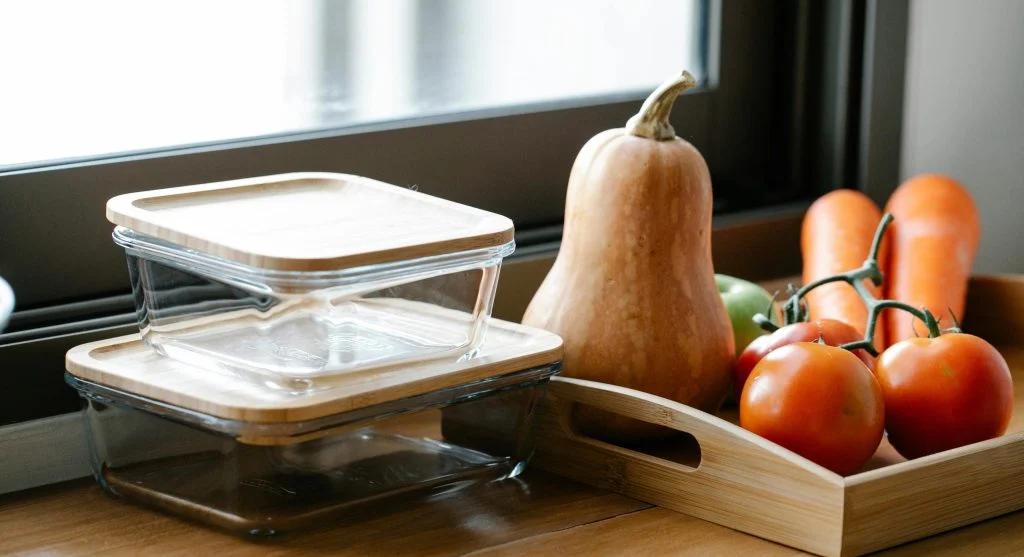
Loose scraps may seem minor, but they often create clutter quickly because they are wet, light, and irregular. Herb stems scatter. Onion skins stick to surfaces. Fruit scraps drip slightly. Coffee grounds spread easily. If these items do not have a temporary landing place, they can leave the prep area messier and make cleanup feel larger than it needed to be.
Home organization specialists often explain that small waste items create more visual disorder than their size suggests. A counter with scattered scraps feels busier and less manageable than one where trimmings are already contained. This can make cooking feel more tiring even before the main cleanup begins.
That is why a simple scrap container helps with more than waste alone. It gives the kitchen a calmer working surface while the meal is still being prepared.
How a small scrap container supports lower household waste
Lower household waste often depends on clean separation between different kinds of materials. When loose scraps stay organized from the start, the household can make a clearer decision about where they belong next. If the scraps are meant for compost or a food scrap stream, they are already gathered and easier to move correctly.
Waste system educators often explain that confusion usually rises when prep scraps mix with packaging, paper towels, or random countertop clutter. Once materials are mixed carelessly, people are more likely to throw everything away together. A small container for loose scraps reduces that confusion by preserving one category of waste in its own place.
This is why such a simple tool can support stronger waste habits over time. It protects the sorting decision before it becomes complicated.
Why a small container often works better than using the sink or cutting board edge
Many people push scraps to the side of the cutting board or drop them into the sink while cooking, but these habits often create extra cleanup later. A crowded sink makes washing harder. A messy board edge slows prep. Wet scraps left on the counter can also make the workspace feel less usable as the meal continues.
Kitchen routine advisers often explain that a small container works better because it is purpose-built for temporary collection. It keeps the prep zone clear, makes cleanup more direct, and avoids turning another kitchen surface into a holding area. This keeps the work area more organized while also reducing the chance that scraps end up in the wrong place later.
That is one reason these small systems are often more powerful than they appear. They support both tidiness and better waste handling at the same time.
What experts recommend households notice first
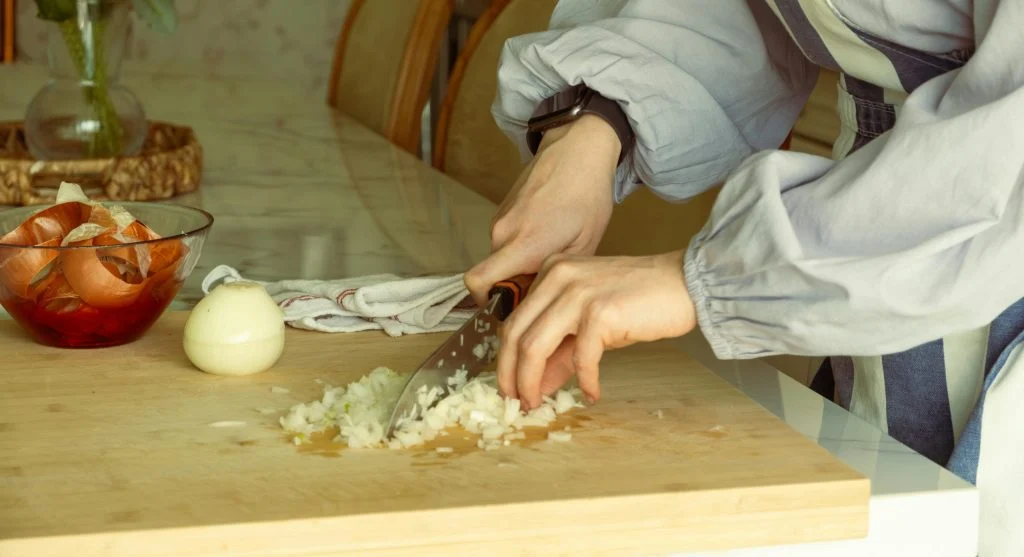
Experts usually recommend noticing where scraps collect during real meal prep. If peels keep piling near the knife, if the sink fills too quickly, or if food trimmings often end up mixed with regular trash during rushed cooking, those are strong signs that the kitchen needs a simpler temporary system. The goal is to support the stage where the waste is actually created.
Kitchen organization specialists also suggest keeping the container small enough to stay convenient and easy to empty. A large bin at the prep station may become bulky or unpleasant, while a modest container usually matches the rhythm of one cooking session better. The strongest routine is often the one that feels light enough to repeat every day.
This matters because practical kitchen systems succeed when they fit the real pace of home cooking, not an ideal version of it.
Why a small container for loose scraps fits practical lower-waste living
Practical lower-waste living often depends on making the first step easier, not only improving the final step. A small container for loose scraps fits that idea because it helps households collect, separate, and move food prep waste more intentionally from the moment it appears. It supports a smoother kitchen routine without asking for a major change in how meals are cooked.
Waste reduction researchers often explain that strong household systems are usually built from simple tools that remove friction. A small scrap container is one of those tools. It turns a messy repeated task into a controlled repeated habit, which is exactly how everyday waste routines become easier to keep over time.
That is why keeping a small container for loose scraps can make kitchen waste easier to manage. It helps the household work more cleanly, sort more clearly, and build a more reliable food scrap routine from the prep counter onward.
Frequently Asked Questions
Q: Why does a small container for loose scraps help in the kitchen?
A: It helps by giving food prep scraps one easy temporary place so counters stay cleaner and sorting stays simpler.
Q: What kinds of scraps belong in this kind of container?
A: Common examples include fruit peels, vegetable trimmings, herb stems, eggshells, and other loose scraps created during meal prep.
Q: Is a small scrap container better than using the sink?
A: In many cases, yes. Experts often explain that it keeps the sink and work area clearer and makes later disposal easier to manage.
Q: Does the container need to be large?
A: Usually no. A smaller container often works best because it stays convenient during cooking and is easy to empty after prep.
Key Takeaway
A small container for loose scraps helps make kitchen waste easier to manage because it gives food prep waste a clear place before final disposal or compost sorting happens. Experts often explain that lower household waste habits become stronger when the right action is also the easiest one in the moment. This simple tool supports a cleaner prep space and a more reliable food scrap routine. Understanding its value helps households build a lower-friction, lower-waste kitchen system.