
Closing blinds in unused rooms can help homes hold comfort longer in summer because sunlight does not stop affecting a room simply because nobody is in it. When bright windows stay uncovered through the hottest part of the day, floors, walls, furniture, and air inside that room all begin collecting extra warmth. If that room stays connected to the rest of the house, some of that heat can gradually influence nearby spaces too.
Building specialists, indoor comfort researchers, and home efficiency advisers often explain that summer comfort depends on controlling heat before it spreads. This is why closing blinds in unused rooms is often more useful than people expect. It helps limit solar heat gain where the household does not currently need visibility or daylight, which can reduce strain on the rest of the home later in the day.
Why closing blinds in unused rooms matters during hot weather
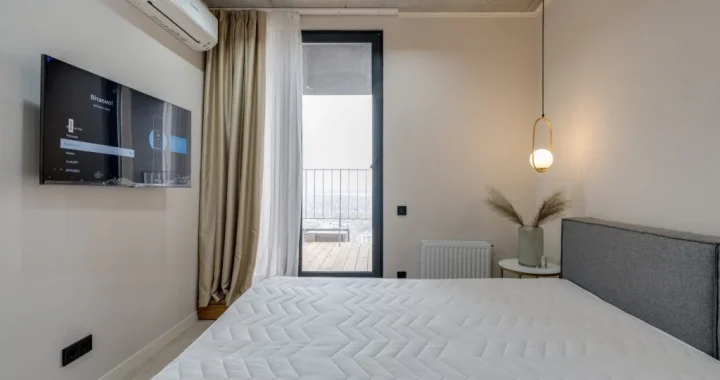
Many households focus on the rooms they are actively using, such as the living room, kitchen, or bedroom. That makes sense, but unused rooms can still shape how the whole home feels. A spare bedroom, home office, or guest room with strong sun may quietly heat up for hours even when the door stays mostly closed and no one enters.
Home comfort experts often explain that closing blinds in unused rooms matters because those spaces can become heat pockets. A room that takes in strong sunlight through midday or afternoon can store warmth in surfaces and release it slowly afterward. That extra heat may not stay isolated as neatly as people assume, especially if air moves through hallways and shared spaces.
This is one reason summer room management often works best when it includes the parts of the house nobody is using at that moment. Unused does not mean unimportant in hot weather.
How closing blinds in unused rooms helps homes hold comfort longer
Closing blinds in unused rooms helps homes hold comfort longer by reducing how much direct sunlight enters and warms indoor surfaces. When less solar heat gets inside, the room often stays more stable through the hottest hours. That means the rest of the home may face less added warmth later, especially in nearby halls, upper floors, or connected living spaces.
Building researchers often note that summer comfort is easier to maintain when a home is not constantly gaining avoidable heat from several rooms at once. If only the actively used rooms remain open to light while unused sun-facing rooms are shaded, the home often holds its earlier comfort longer into the afternoon and evening.
This is why the habit works as a prevention step. It limits indoor heat buildup before the room becomes noticeably uncomfortable and before other parts of the home begin feeling the effect.
Why sunlight in empty rooms still affects the rest of a home
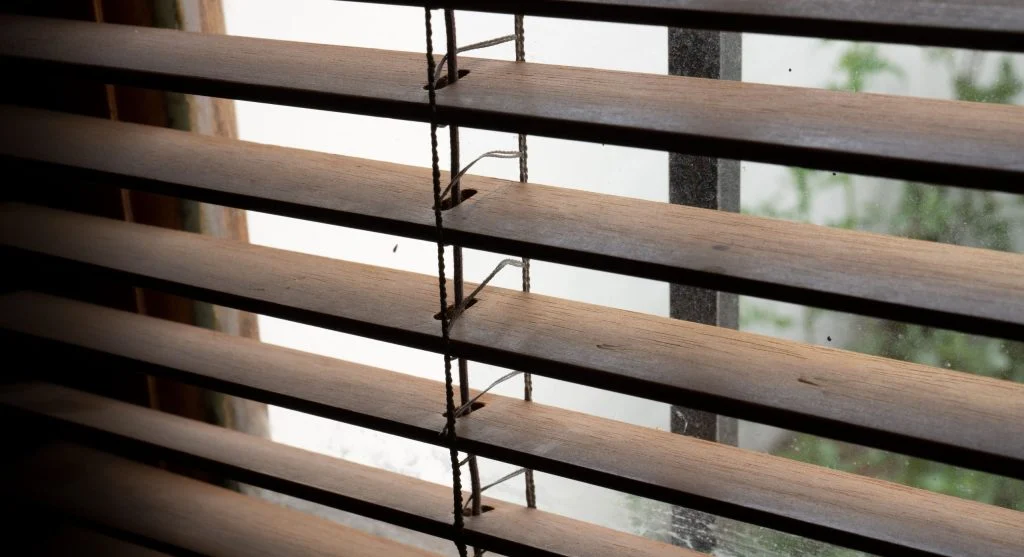
Sunlight in an empty room still matters because the room itself becomes warmer, even if nobody feels it right away. Sunlit floors, beds, desks, rugs, and walls absorb heat and continue releasing it over time. Once that warmth builds, the room may affect shared air or nearby surfaces through open doors, connected halls, or upper-floor heat buildup.
Indoor climate specialists often explain that houses behave as connected systems. One overheated room may not instantly change the whole house, but repeated solar gain in several little-used spaces can slowly weaken overall comfort. This becomes more noticeable during long hot afternoons or when several bright rooms face direct sun on the same side of the home.
That is why empty rooms still deserve attention. Their heat does not stay as invisible as their use pattern might suggest.
How closing blinds in unused rooms can reduce lower cooling strain
Lower cooling strain often depends on keeping avoidable heat out before active cooling needs to respond. When unused rooms stay open to strong daylight, the home may warm more broadly, which can make fans, ventilation, or air conditioning work harder later. Closing blinds in those rooms helps reduce one of the simpler sources of indoor heat gain.
Energy advisers often explain that the goal is not to make every room dark all day without reason. The goal is to limit unnecessary solar heat in rooms where daylight is not providing a real current benefit. If a guest room will sit empty through the afternoon, keeping its blinds open may be adding heat without adding value.
This is why the habit often supports both comfort and efficiency. The house holds its cooler conditions better when avoidable heat is blocked earlier.
Why unused sun-facing rooms often overheat fastest
Unused rooms often overheat fastest when they face strong morning or afternoon sun and receive little interruption through the day. Because nobody is there adjusting curtains, shifting blinds, or noticing how fast sunlight is spreading, the room may stay exposed longer than the more active parts of the house. This can make it one of the hottest places indoors by midafternoon.
Home efficiency specialists often note that west-facing spare rooms are especially common trouble spots. They may look harmless in the morning, then become much warmer later when sunlight hits more directly. If the blinds stay open, the room can collect far more heat than the household realizes until evening discomfort begins spreading more widely.
This is one reason using blinds intentionally in low-use spaces matters so much. It protects the home from a problem that often develops unnoticed.
What experts recommend households notice first
Experts usually recommend noticing which rooms receive the strongest direct sunlight and which ones are least used during those same hours. If a room stays empty through midday but faces strong sun, it is often a good candidate for earlier blind closure. The clearest clues are rooms that feel noticeably warmer when opened later, even though nobody spent time there.
Building advisers also suggest watching how the house feels by late afternoon. If upper hallways warm up, if nearby rooms feel less stable than expected, or if a little-used room seems far hotter than the rest, solar gain in unused spaces may be part of the reason. These patterns often show where simple shading habits could help.
This kind of observation matters because the strongest routine is usually built around how the home actually behaves, not on a general rule applied the same way to every room.
Why closing blinds in unused rooms fits practical summer living
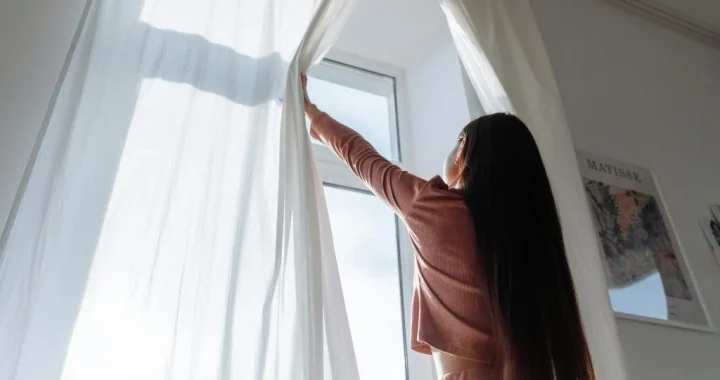
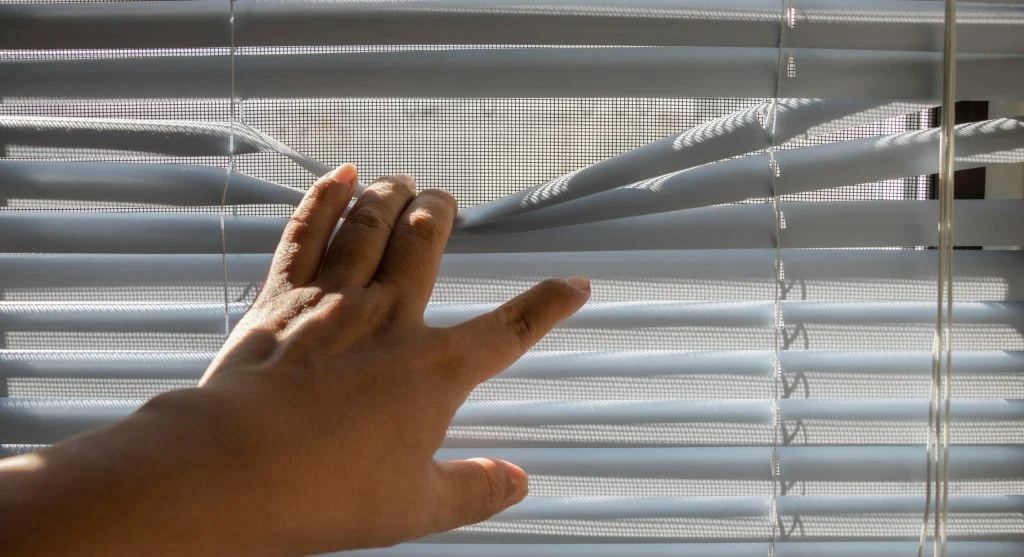
Practical summer living often works best through small habits that reduce heat before it becomes harder to manage. Closing blinds in unused rooms fits that pattern because it asks very little of the household while helping the home resist unnecessary solar gain. The room can still be opened later when daylight is useful again, but during peak heat it does not need to keep inviting extra warmth inside.
Climate and housing experts often explain that homes feel easier to live in when comfort is protected where it matters and heat is limited where it does not need to build. Unused rooms offer one of the clearest opportunities for this kind of simple control. When blinds are used well, those spaces stop working against the rest of the house.
That is why closing blinds in unused rooms can help homes hold comfort longer in summer. It is a small boundary decision that helps prevent extra heat from collecting where nobody needs it.
Frequently Asked Questions
Q: Why does closing blinds in unused rooms help in summer?
A: It helps by reducing direct sunlight and limiting how much heat builds up in rooms that the household is not actively using.
Q: Can an empty room really affect the rest of the home?
A: Yes. Experts often explain that sun-heated rooms can store warmth and gradually influence nearby halls and connected spaces.
Q: Which rooms should households shade first?
A: Rooms that stay unused during the hottest hours and receive strong direct sun are often the best places to start.
Q: Does this replace other cooling habits?
A: No. It usually works best alongside other comfort habits such as shading, airflow control, and room-by-room heat management.
Key Takeaway
Closing blinds in unused rooms helps homes hold comfort longer in summer because it limits solar heat where the household does not need active daylight or room use. Experts often explain that this supports summer room management by reducing avoidable heat buildup and helping lower cooling strain later in the day. Empty rooms can still influence the rest of a house more than people expect. Understanding the value of closing blinds in unused rooms helps households manage summer comfort with a simple, practical daily habit.