

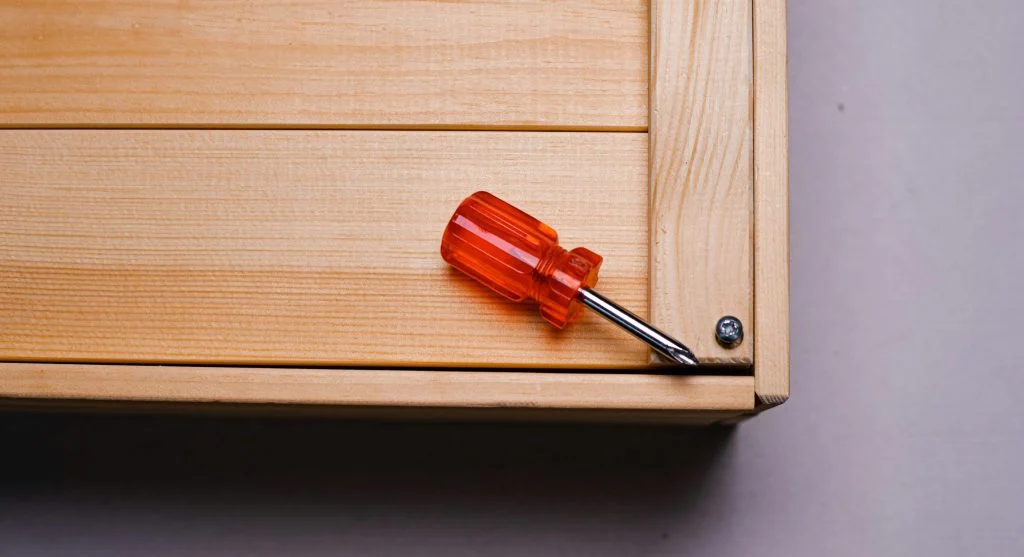
Repairing one small household item may seem like a minor act, but it often prevents more waste than people first expect. A loose chair leg, a torn tote bag, a lamp with a damaged switch, a drawer with a broken runner, or a toy with one missing screw can all end up in the trash long before the rest of the product has stopped being useful. In many homes, the problem is not total failure. It is one repairable point that goes unattended until replacement feels easier.
Repair educators, circular economy researchers, and home organization specialists often explain that waste reduction does not begin only at the recycling bin. It begins much earlier, at the moment when a household decides whether an item is truly finished or simply needs attention. That is why repairing one small household item can matter far beyond the value of the object itself.
Why small breakages lead to big waste so often
Many products are discarded because one small part stops working while the rest remains usable. A zipper breaks on a backpack. A storage bin lid cracks. A plug loosens on a lamp. A button falls off a shirt. None of these problems automatically means the item has reached the end of its life, yet many households still remove it from use almost immediately.
Waste researchers often explain that this happens because small breakages interrupt convenience. The object no longer works smoothly, so it starts feeling less trustworthy. Once that happens, the household may stop reaching for it, move it aside, and eventually replace it. By the time the item is thrown away, the real issue is often not the damage itself but the long delay between noticing the problem and deciding what to do next.
This is why small faults create so much waste. They do not destroy the item all at once. They quietly push it out of daily use until replacement feels normal.
How repairing one small household item changes the waste pattern
Repair changes the waste pattern by interrupting the move from “slightly damaged” to “no longer used.” Instead of allowing the item to drift into a drawer, closet, garage shelf, or trash bag, the household restores its usefulness before replacement becomes the default answer. Even a five-minute repair can bring an object back into circulation for months or years.
Circular living specialists often note that this matters because replacement usually creates two kinds of waste at once. The old item is discarded, and a new item must be produced, packaged, shipped, and brought into the home. Repair avoids both outcomes when it works. That makes one small fix more important than it appears from the kitchen table or hallway floor where the work happens.
In this way, repairing one small household item is not just about saving money or effort. It is about preventing an entire throwaway cycle from continuing.
Why repaired items often stay useful much longer than expected
People sometimes assume a repaired item will not last, but that is not always true. In many cases, the original object is still sturdy, and the problem is limited to one weak point that can be reinforced, replaced, or adjusted. A tightened hinge, resewn seam, fresh glue joint, or replacement caster can return the item to normal use surprisingly well.
Home repair educators often explain that the useful life of an object is rarely determined by one small broken detail alone. What matters is whether the structure and purpose of the item still make sense after the fix. If they do, the item may continue serving the household much longer than expected.
This is one reason repair is often underrated. People compare the damaged moment with the convenience of buying new, instead of comparing the repaired outcome with the waste that replacement would create.
What kinds of household items are often worth fixing first
The best repair candidates are often the items households use regularly and already know they would replace if lost. These can include lamps, stools, chairs, storage baskets, bags, kitchen tools, drawer hardware, simple furniture, clothing basics, toys, and household organizers. If the object still fits daily life and the fault is local rather than total, it often deserves a second look before disposal.
Repair advocates often suggest beginning with objects that fail in visible, simple ways. A loose screw is easier to address than a hidden internal problem. A torn seam is easier to understand than a full structural split. Starting with straightforward repairs helps households build confidence and notice how many items are being discarded only because no small repair habit exists yet.
This matters because a household does not need to become highly technical to reduce waste through repair. It only needs to recognize which items are being lost too early.
Why repair habits work better than repair intentions
Many people like the idea of fixing things, but good intentions often fail when broken items are set aside “for later.” Once an object leaves daily use, it becomes easier to forget. Weeks pass, replacement happens, and the original item quietly turns into clutter or waste. This is why repair habits matter more than repair ideals.
Behavior specialists often explain that practical repair habits usually involve a small routine, not a large project. That may mean keeping one basic tool kit visible, setting aside one short repair time each week, or placing damaged items in one specific repair spot instead of scattering them across the house. These small systems reduce delay, which is often the real reason repair never happens.
A repaired object usually stays in use because the household acted early enough. Once the repair window closes, replacement tends to take over.
How repair supports a more practical home system
Repair supports a better home system because it teaches the household to see objects as maintainable rather than instantly replaceable. That shift can influence more than one item. Once people repair a bag strap, they are more likely to notice that a stool foot, curtain ring, or cabinet handle is also fixable. The home starts functioning less like a place where things exit at the first problem and more like a place where useful items are kept going when possible.
Waste reduction experts often explain that this mindset matters because many low-waste habits grow from a new way of looking at ordinary objects. A slightly broken item stops being “basically trash” and starts becoming “something that needs ten minutes.” That is a powerful change because it reduces unnecessary buying before it begins.
This is why one repair often leads to another. The household becomes better at noticing where usefulness still exists.
What experts recommend households notice first
Experts usually recommend asking three simple questions before throwing something away. Is the object still useful if one small problem is fixed? Is the damaged part easy to reach or understand? Would the household likely replace this item if it disappeared today? If the answer to all three is yes, the object is often a strong repair candidate.
Repair educators also suggest paying attention to repeat losses. If tote bags, chair feet, drawer pulls, lunch containers, or clothing basics often leave the home over small failures, that repeated pattern usually points to a repair opportunity. The issue may not be the quality of the item alone. It may be that the household has no regular way to act while the problem is still small.
These early observations matter because the best repairs often happen before the item has fully dropped out of use.
Why repairing one small household item fits practical lower-waste living
Practical lower-waste living usually succeeds through ordinary repeated choices, not dramatic gestures. Repair fits that model well because it works inside daily life. It asks the household to pause before replacing, assess what is still usable, and extend product life where possible. That is a realistic skill, not an idealized one.
Circular economy researchers often explain that one of the strongest ways to reduce waste is to delay the point at which an item becomes trash at all. Repair does exactly that. It keeps useful goods in service longer, reduces replacement pressure, and helps households get fuller value from the objects already in their homes.
That is why repairing one small household item often prevents more waste than people realize. The repair itself may be small, but the amount of disposal, replacement, and repeated consumption it interrupts can be much larger.
Frequently Asked Questions
Q: Why does repairing one small household item reduce waste?
A: It reduces waste by keeping a usable item in service longer and preventing unnecessary replacement and disposal.
Q: What kinds of household items are easiest to repair first?
A: Experts often recommend starting with simple items such as lamps, stools, bags, drawers, toys, clothing basics, and small furniture parts.
Q: Is repairing small items really worth the effort?
A: In many cases, yes. A quick repair can restore daily use and prevent both trash and the need to buy a replacement.
Q: Why do broken items so often end up thrown away instead of fixed?
A: Small breakages are often delayed rather than repaired immediately, and once the item leaves daily use, replacement becomes more likely.
Key Takeaway
Repairing one small household item can prevent more waste than people realize because many products are discarded over one fixable problem while the rest of the object remains useful. Experts often explain that simple repair habits keep items in service longer and interrupt the replace-and-discard cycle before it grows. Even a minor fix can protect an item from becoming both clutter and trash. Understanding the value of small household repair helps homes reduce waste in a practical and lasting way.