
Dead wood in the garden may not look impressive, but it can quietly support many small forms of life that healthier yards depend on. A short log beside a hedge, a thick fallen branch in a back corner, or a few stacked pieces of untreated wood near a fence can create shelter, shade, and feeding space for insects and other creatures that larger animals rely on later.
Wildlife gardeners, habitat planners, and ecology educators often explain that local nature does not depend only on flowers, bird feeders, and ponds. It also depends on the less obvious parts of the yard, especially the places where insects can hide and where soil can stay cooler and calmer. That is why dead wood in the garden often helps wildlife more than people first expect.
Why Dead Wood Matters in a Managed Garden
Many home gardens are designed to look tidy, open, and easy to maintain. That often means fallen branches, old stems, and natural wood pieces are removed quickly. Clean edges may look appealing to people, but they can leave wildlife with fewer hiding places and fewer protected surfaces close to the ground.
Habitat specialists often explain that dead wood matters because it adds texture and shelter to spaces that might otherwise be too simple. A patch of lawn, a neat flower bed, and a trimmed hedge may still offer some value, but they do not always provide enough cover for the tiny animals that make the garden ecologically active. A small piece of wood can change that by creating one extra layer of life near the soil.
This is important because many creatures in a backyard spend most of their time hidden, not visible. If a yard has nowhere quiet for them to stay, the whole habitat becomes weaker even when the plants look healthy.
How Dead Wood in the Garden Helps Wildlife
Dead wood in the garden helps wildlife by offering shelter, shade, and surfaces where life can gather. Beetles, spiders, woodlice, worms, and many other small creatures may use the area beneath or around a log as a safer place to rest or move. Birds may then search that same area for food. In this way, one simple piece of wood can support several levels of the local food web at once.
Backyard ecology experts often note that dead wood works especially well because it changes the micro-habitat around it. The underside may stay slightly damper. The edges may collect fallen leaves. The ground nearby may become a more useful place for insects than open soil exposed to direct sun. These subtle changes are often exactly what small wildlife needs.
This is why dead wood can be valuable even when it seems ordinary. It helps turn one overlooked patch of yard into a working habitat space.
Why Insects Are Often the First to Benefit
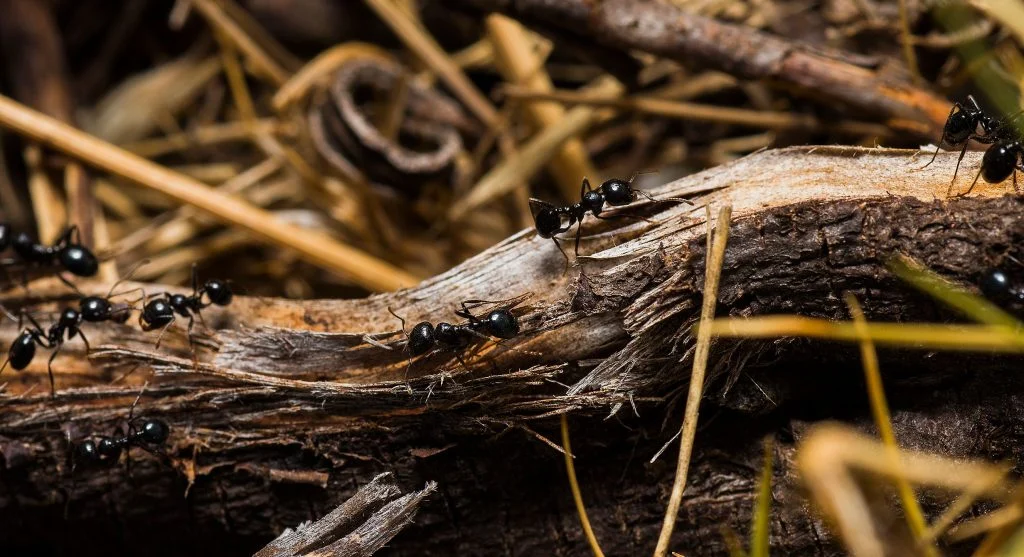
Insects are usually the first to benefit because they need protected spaces more than dramatic landscape features. A small log can offer darkness, stable surfaces, and a break from wind and strong sun. Some insects rest in cracks. Others hunt along the edges. Still others use the damp ground beneath the wood, where conditions are often calmer than on exposed soil.
Insect researchers often explain that these smaller creatures matter because they support much of the rest of the garden’s life. Birds feed on them. Amphibians may depend on them. Soil processes often improve where insect activity remains stronger. If the yard loses too many of these quiet shelter spaces, it often loses more ecological energy than people realize.
This means the wood itself is only part of the story. The real value is in the life that begins gathering around it.
Why Dead Wood Can Help Birds Indirectly
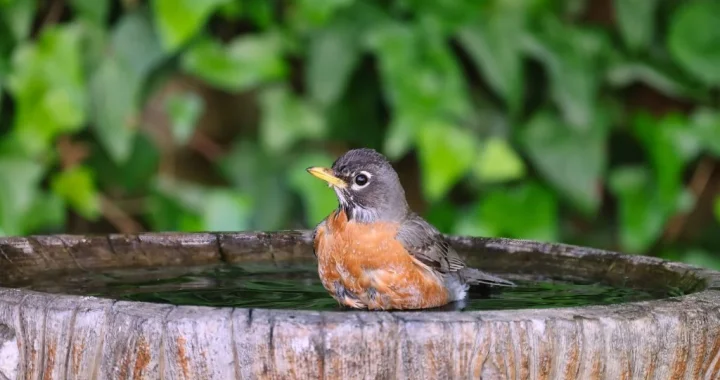
Birds do not need to live inside a garden log for it to matter to them. They often benefit indirectly because logs and branches attract the insects they eat. A blackbird turning leaves near a log, a robin searching under shrubs, or a small bird visiting the edge of a garden bed may all be responding to the richer feeding opportunities that dead wood helps create.
Bird habitat specialists often explain that birds prefer layered gardens where food is easier to find near cover. If a log sits beneath a shrub or beside a planted border, it can become part of a safer feeding zone. The bird can move through the area, search for insects, and retreat quickly into nearby branches if needed.
This is one reason dead wood works well in backyard settings. It does not need to stand alone. It often becomes most useful when combined with plants and some ground cover.
How Dead Wood Supports Soil and Moisture Too
Dead wood can also support the ground itself. It shades a small part of the soil, slows some moisture loss, and helps leaves or organic material collect around it. Over time, that area may become softer, cooler, and more biologically active than the bare ground nearby. Even a modest change in conditions can help a small habitat become more stable.
Garden ecologists often explain that wildlife support and soil support are often linked. A spot that stays a little moister may attract more invertebrates. A spot with more organic material may become more useful to decomposers. The result is not a dramatic transformation overnight, but a gradual increase in how alive that corner of the yard becomes.
That is why dead wood in the garden is often described as both habitat structure and ecological material. It supports the living surface around it as well as the animals using it.
Where a Small Piece of Dead Wood Works Best
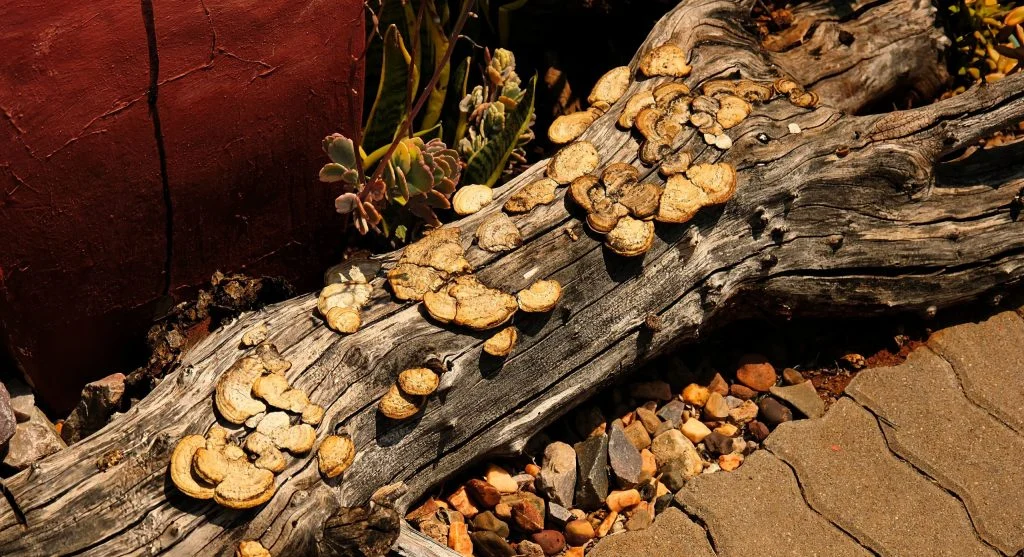
Placement matters. A small piece of dead wood usually works best in a quieter part of the yard rather than in the center of a main lawn. Beneath shrubs, beside a fence, near a native planting bed, or at the back of a border often works well because these areas already feel more sheltered and less disturbed.
Wildlife gardening advisers often recommend choosing a place where the wood can stay undisturbed for a while. Constant movement, mowing, or foot traffic reduces its usefulness. A tucked-away location allows the area around it to settle, which is often when more insects and other small animals begin using it regularly.
This is why one thoughtfully placed branch can do more good than several pieces left randomly where they are constantly moved or exposed.
What People Often Get Wrong About Natural Garden Mess
Some people worry that any natural-looking material will make the whole yard seem neglected. In reality, a garden can still look cared for while keeping one or two intentional habitat features. A single log placed under shrubs or along a back border usually reads very differently from a whole yard left unmanaged.
Habitat planners often explain that the goal is not disorder. The goal is useful complexity. A yard with pathways, trimmed edges, and active planting can still include a small wildlife corner where dead wood remains in place. That balance often works better than removing every natural material simply to maintain a uniform look.
This is helpful because many households want to support wildlife without losing control of the garden. A small wood feature is often one of the easiest places to start.
What Experts Recommend Households Try First
Experts usually recommend starting modestly. One short untreated log, a thick branch section, or a small wood stack in a quiet planted corner is often enough. The household can then observe whether the area stays cooler, whether leaf litter collects naturally, and whether birds or insects seem to use that patch more often over time.
They also suggest avoiding painted, treated, or chemically coated wood in wildlife areas, since the goal is to provide a more natural habitat surface. Simple untreated pieces from pruning, storm fall, or leftover garden wood usually work best.
The strongest result often comes from patience. A wildlife-supporting log does not announce its value immediately. It becomes useful as the garden slowly begins treating it like part of the habitat.
Why Dead Wood in the Garden Fits Practical Local Habitat Care
Practical local habitat care often succeeds through small changes that create lasting value without major expense. Dead wood in the garden fits that pattern because it uses material that may already be available and turns it into a habitat feature instead of waste. It supports insects, birds, and soil life with very little extra maintenance.
Ecology educators often explain that neighborhoods need many small habitat patches working together. A single garden log may seem minor, but across many yards, these quiet spaces can help local wildlife find shelter and food in landscapes that are otherwise heavily simplified. That is how ordinary gardens can quietly contribute to healthier local nature.
That is why leaving a small piece of dead wood in the garden can help wildlife more than people expect. It creates one more place for life to continue at ground level, where much of the backyard ecosystem begins.
Frequently Asked Questions
Q: Why does dead wood in the garden help wildlife?
A: It helps by creating shelter, cooler ground conditions, and habitat for insects and other small creatures that support backyard wildlife.
Q: What kinds of animals benefit from a garden log or branch?
A: Insects, spiders, worms, birds, and sometimes amphibians often benefit directly or indirectly from these sheltered spaces.
Q: Where should dead wood be placed in a backyard?
A: Experts often recommend quiet planted areas such as under shrubs, beside fences, or at the back of borders where it can remain undisturbed.
Q: Does the whole yard need to look messy for this to work?
A: No. A single intentional habitat patch can support wildlife while the rest of the garden remains neat and managed.
Key Takeaway
Dead wood in the garden can help wildlife more than people expect because it creates shelter, supports insects, protects soil, and adds one more useful habitat layer to everyday backyard spaces. Experts often explain that small natural features often carry much more ecological value than they appear to at first glance. A simple log or branch in the right place can support local nature quietly over time. Understanding the value of dead wood helps households build more wildlife-friendly gardens without large changes.