
You don’t need a flawless kitchen or to be super disciplined to have less waste. For most of us, little changes in how we store food, shop, cook and wash up are what work best. You can cut down on what you throw away without making every dinner a huge effort.
People who teach about reducing waste, those who study how food gets to us, and experts in getting your house in order all say kitchen garbage is generally the result of doing the same things over and over. Leftovers you’d forgotten about, too much packaging, fruit and vegetables that have gone bad, and things like paper towels and sponges…they all build up. A kitchen that makes less waste is most effective when it gets rid of things that make it difficult to be good, and replaces them with easy habits.
Why a low-waste kitchen starts with visibility
A lot of kitchen difficulties start because we don’t have a good sense of what we already have. Food gets hidden at the back of the fridge, we buy things for the pantry we have already, and leftovers are forgotten until they have to be binned. Because of this, professionals looking at kitchen issues will often say getting things visible is the first thing to address.
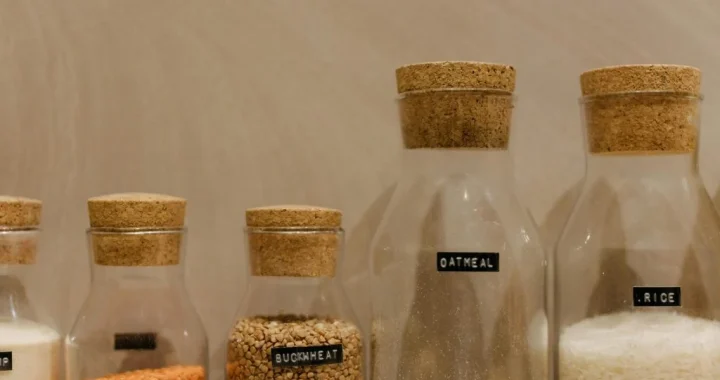
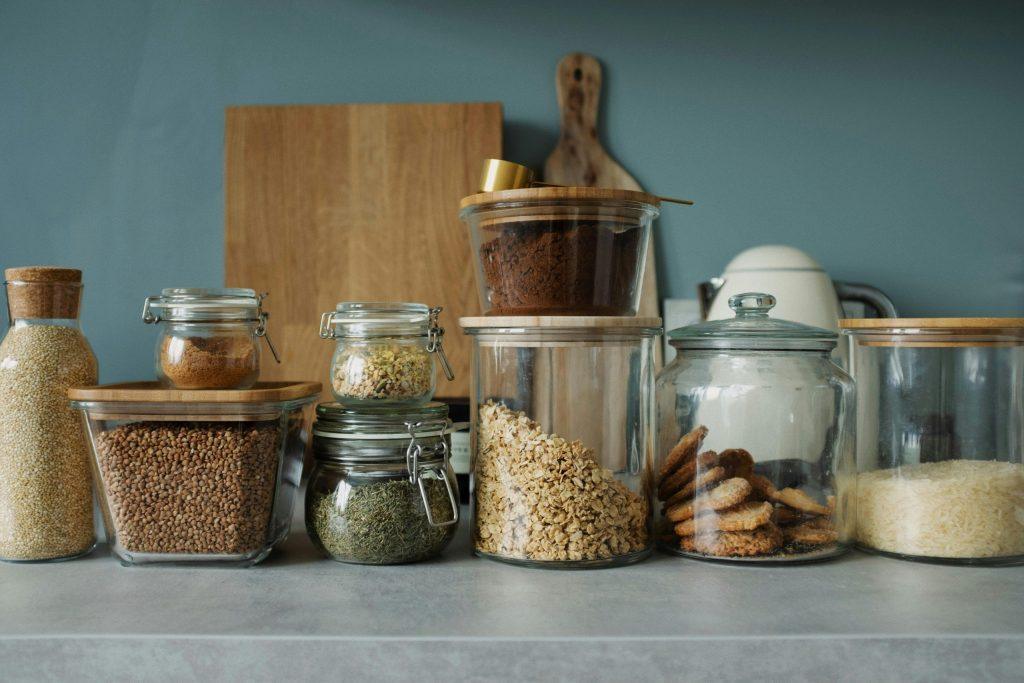
Using transparent containers, putting leftovers at the front, and just dividing up shelves in a straightforward way will help you use more of your food, and it won’t cost you anything. Those who are in the business of organizing kitchens point out that where you put things is usually a more powerful way to reduce waste than going out and buying loads of new containers. If you can actually see your food, you’ll probably get around to using it before it is too late.
The very same is true for utensils and washing-up stuff.
How shopping habits shape a low-waste kitchen
You can start cutting down on trash in the kitchen before you get the groceries. We throw away a lot of food because we buy too much of it, and this is especially true for fruits and vegetables, ready-made meals, and those special things we get without having a good idea of what we’ll do with them. A shorter shopping list and really thinking about what you are buying will often get rid of waste surprisingly fast.
People who study food waste generally say to look in the fridge and cupboards before you go to the store. That way you won’t get things you already have, and you’ll remember what needs to be used up soon. Shopping with what you already have at home will make your household run smoother and help you manage your food better.
Good habits for a kitchen with less waste also begin when you’re shopping.

Credit: www.kaboompics.com / Pexels
Why storage systems matter more than perfection
How we keep food is a huge factor in whether we actually eat it or throw it out. Fruits and vegetables needing to breathe will go bad rapidly in a sealed container and things you have left over in containers you can’t see through are easily overlooked. To really cut down on waste in the kitchen, you need to store food in a way that suits what it is and how long it will last.
Teachers of cooking and eating well suggest having food that will go bad soon where you can see it and putting older things to the front. This easy “first in, first out” method means you’re more likely to use the food that’s about to be past its best. It’s also less likely that newer food from the shops will hide the older stuff.
You don’t have to spend a lot of money on food storage. Jars, containers you’ve used before, and shelves with labels are perfectly good if they make what’s in your kitchen clearer to you.
How meal planning supports simple sustainable cooking
People often think of meal planning as being incredibly strict. But those who know about these things generally suggest planning in a way that fits how your life actually goes. Just two or three meals you’ve decided on, a night for eating what’s left, and one meal to use up anything that’s about to go bad will substantially decrease the amount of food you throw away.
Cooking sustainably and easily is easier if you base your plans on what will go bad quickest. Greens, herbs, berries, dairy products and anything you’ve already cooked are generally best used earlier in the week. Grains, frozen food, and root vegetables, which stay good for a longer time, can be for later, and won’t be as much of a risk.
This way of doing things is less stressful as it simply gets you to use your food in a sensible order. You don’t have to give up deciding what to eat on the fly.
What cleanup habits help reduce kitchen waste
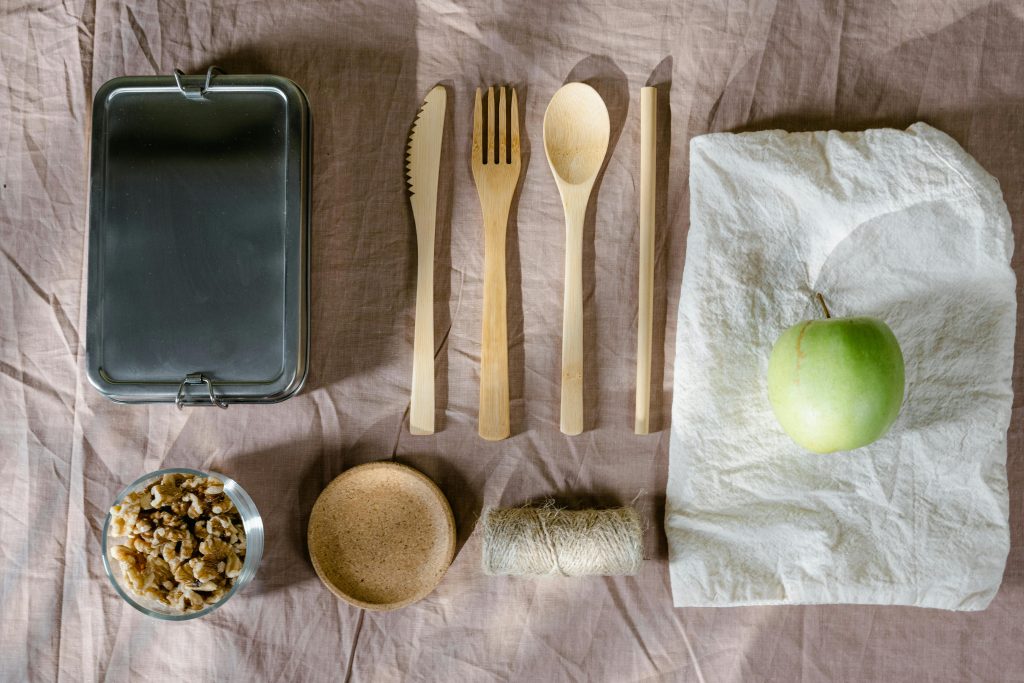
What you do to clean up significantly impacts how much garbage your kitchen produces. Using paper towels, disposable cleaning wipes, throwaway containers, and buying things that have way too much packaging all add to the amount of trash. You can often get the same clean in the kitchen, with a lot less waste, by using cloths you wash, containers you can wash and reuse, and just the right amount of cleaning products.
Those who make homes run efficiently frequently say that keeping things uncomplicated is important. A kitchen that makes less waste is easier to look after if you have a straightforward cleaning routine you do the same way each time. Lots of special cleaning items instead of being helpful, simply cause mess.
Composting can even be easy as part of cleaning. If you have a place for compost, a small container for apple cores, coffee grounds, and peelings from vegetables will help your household get rid of food waste. Experts in lessening waste regularly suggest starting with the easiest things to compost, instead of attempting to compost everything all at once.
Credit: Tima Miroshnichenko / Pexels
What experts recommend for a realistic low-waste kitchen
Most people who know about this suggest making progress is better than aiming for something that’s flawlessly zero waste. A kitchen that creates much less rubbish is based on things you do regularly that save you time, lower the amount of stuff thrown away, and go with how your family already cooks. This could mean using fewer things you discard, being better at using up what’s left over, or thinking a little more about your shopping list instead of changing everything about how you live.
Teachers of environmental topics will often tell you that habits that will continue for a long time are more important than how something looks. A system that works for you will be different in each house, depending on how much room you have, your spending limits, and how many people are in your family. The important thing is whether it actually lowers the amount of rubbish from the kitchen, and does so steadily.
For a lot of families, the best place to begin is with really simple things.
Frequently Asked Questions
Q: What is a low-waste kitchen?
A: A low-waste kitchen is a cooking and storage system that reduces food waste, packaging waste, and disposable item use through simpler daily habits.
Q: Do households need to buy many products to create a low-waste kitchen?
A: No. Experts often recommend using existing jars, containers, and cloth items before buying replacements.
Q: What is the easiest way to reduce kitchen waste first?
A: Better food visibility, more intentional shopping, and clearer leftover use are often the easiest first steps.
Q: Can a low-waste kitchen save money too?
A: In many cases, yes. Reducing spoiled food, duplicate purchases, and disposable supplies can lower household costs over time.
Key Takeaway
For a kitchen that creates less trash to really work, it should simplify your day to day, not make things harder. Professionals who know about this sort of thing suggest you can see what food you have easily, shop more thoughtfully, have containers to keep things in a useful way, and get into the habit of using things again and again as part of what you already do. These little adjustments will steadily decrease both the amount of food thrown away and the amount of things you have to throw away. And normally, creating a kitchen with less waste is about doing things steadily, not being perfect.