
Even if we’re getting more of our electricity from clean sources, saving energy at home is still really important. A cleaner way of making electricity does lessen the impact on the environment, but as specialists are quick to say, using a sensible amount of energy is one of the easiest ways to cut down on wasted energy, decrease the burden on the power network, and make sure the power is there when you need it.
In fact, people who study energy, those focused on efficient buildings, and those who manage the power grid all agree that having a clean supply of energy and a lower need for it are most effective when combined. A house that doesn’t squander energy is simpler to maintain at a good temperature, and to operate all your appliances. This benefits your own home, and the entire electricity system when lots of people are using power at once.
Why home energy efficiency still matters in cleaner power systems
Lots of people think that if the way we make electricity becomes environmentally friendly, it won’t matter how much energy we use at home. Professionals who know about this, though, almost always disagree. Producing electricity cleanly does lower pollution, but electricity you don’t need is still electricity that has to be made, sent to you by power lines and other equipment, and for which the entire system needs to be able to provide. It’s all resources that could be used in a smarter way.
How much electricity we use at home is important because it controls how much the power companies have to create and send out at any moment. When lots of us use more power than we should, it puts a lot of stress on the system, and this is particularly true during heat waves, really cold snaps, or in the evenings when many things are running.
Energy efficiency focuses on the consumer’s end of things.
How home energy efficiency reduces lower household energy use
Many of us can start using less energy at home just by making changes to what we do all the time. How much light we use, the heating and cooling, laundry, cooking, and all our electronics all add to how much energy we go through each day. And little bits of energy being wasted in each of these things? They really build up over time.
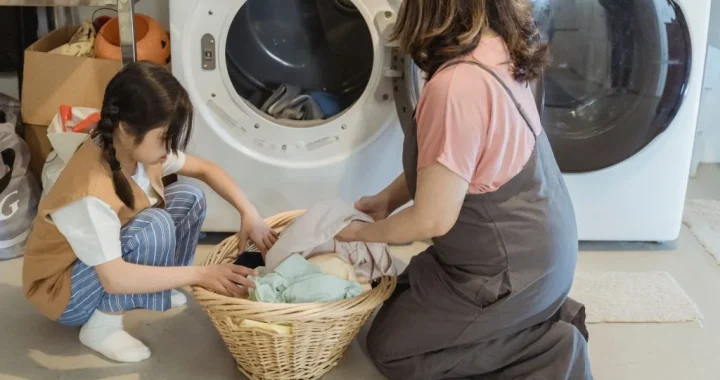
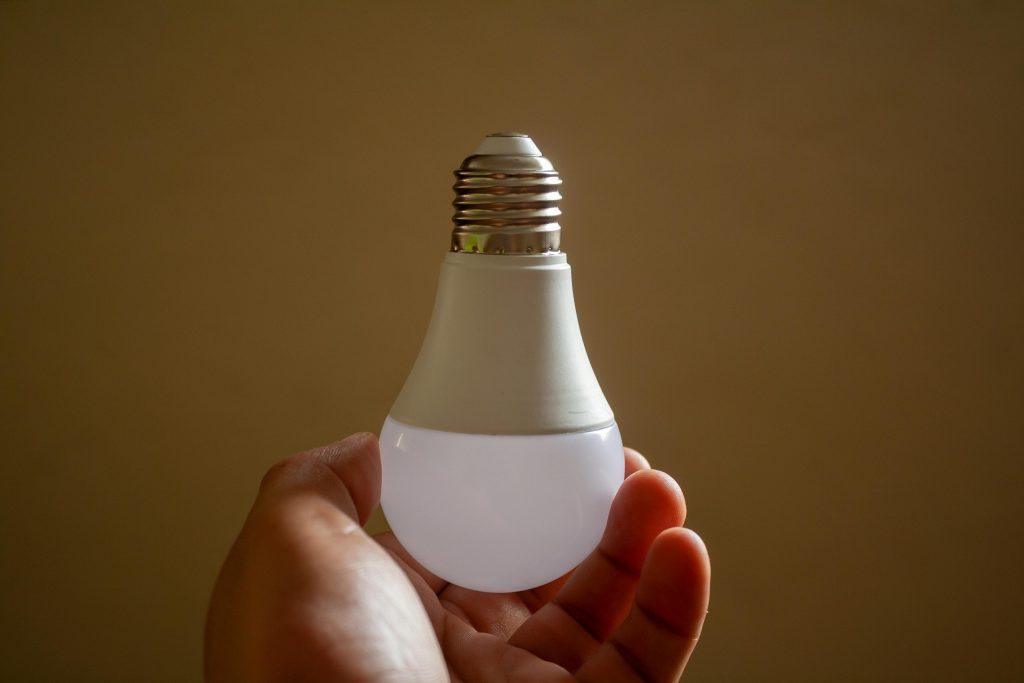
Home improvement experts will tell you that having a house that doesn’t use so much energy doesn’t have to mean you have to do without. Good insulation, being sensible with the thermostat, stopping drafts, using energy saving light bulbs, and making sure you fill the washing machine or dishwasher completely – all of these lower waste without changing your lifestyle much at all. It isn’t about not using energy at all. It’s about finding a smarter way to use it.
And that’s why getting into efficient habits around the house is so useful.
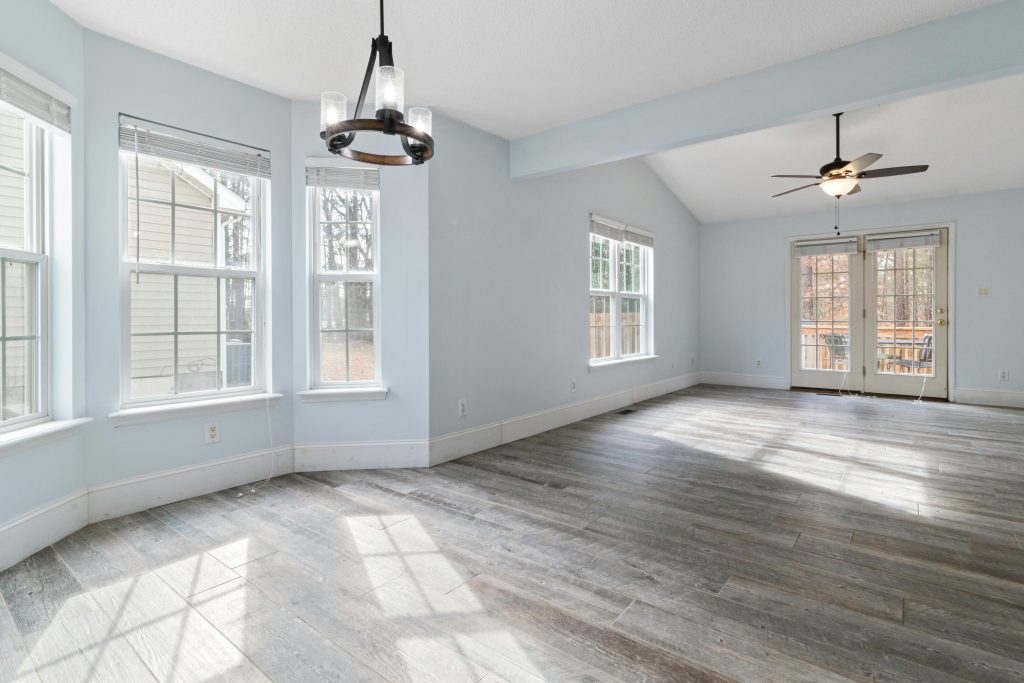
Credit: Curtis Adams / Pexels
Why efficiency helps during peak demand periods
Many of us can start using less energy at home just by making changes to what we do all the time. How much light we use, the heating and cooling, laundry, cooking, and all our electronics all add to how much energy we go through each day. And little bits of energy being wasted in each of these things? They really build up over time.
Home improvement experts will tell you that having a house that doesn’t use so much energy doesn’t have to mean you have to do without. Good insulation, being sensible with the thermostat, stopping drafts, using energy saving light bulbs, and making sure you fill the washing machine or dishwasher completely – all of these lower waste without changing your lifestyle much at all. It isn’t about not using energy at all. It’s about finding a smarter way to use it.
And that’s why getting into efficient habits around the house is so useful.
How efficient home habits support cleaner power goals
Lots of us using electricity at the same time creates peak demand. For many areas, this is in the hot part of the afternoon, a warm evening, or during cold spells, because that’s when heating and cooling really get to work. Even with power sources that don’t pollute, we still have to deal with these high points of usage with a lot of care.
Those who design the power grid will tell you that using less energy in our homes cuts down on how quickly demand goes up. During a really hot time, a house with good insulation won’t need as much air conditioning, and an appliance that’s efficient will use less electricity for the same job. Each of these adjustments might not be much in a single house, but when you look at a whole city, they really add up.
Using less energy also makes the power system more reliable.
What parts of a home affect energy waste most
Most of us are surprised by what uses the most energy in our homes. Heating and cooling are usually the biggest energy hogs, and this is particularly true in houses that don’t hold heat well or have drafts. Lighting, heating water, and older appliances consistently use power in the background.
Those who study buildings generally say to begin with the things we do over and over. A light left on a lot, a room that doesn’t keep heat in, or an appliance used for a bit at a time can waste more energy in the long run than things we do less often. So, good routines for saving energy are at their best when they concentrate on what you do every day.
And that’s where upkeep is important. A little bit of grime in filters, seals that are worn, and systems you haven’t looked at in a while all slowly make things less efficient, and you don’t even really notice.

Credit: Vitaly Gariev / Pexels
What experts recommend for better home energy efficiency
Most of the time, people who know about this sort of thing say to begin with small changes you can stick to. Things like energy-saving lightbulbs, using as much natural light as possible, only doing a wash or using the dishwasher when they’re completely full, sealing up drafts, and being a bit more thoughtful about when you turn the heat or air conditioning on are commonly the first things to do. And these are generally cheap and easy to do over and over.
When you’re looking at energy, advisors also suggest finding out where you’re losing the most first, before spending much money on bigger adjustments. You might find that a single room with bad insulation, an appliance you use all the time, or just something you’ve always done a certain way is actually using far more energy than you thought. In a lot of cases, making sensible choices starts with seeing what’s going on.
Frequently Asked Questions
Q: Why does home energy efficiency still matter if electricity is getting cleaner?
A: Experts explain that cleaner power helps, but wasted electricity still adds demand, system pressure, and avoidable household use.
Q: What are the easiest ways to improve home energy efficiency?
A: Efficient bulbs, better draft control, full appliance loads, natural daylight use, and careful thermostat settings are common starting points.
Q: Does home energy efficiency help the wider grid too?
A: Yes. Lower household demand can reduce peak pressure and support more stable electricity systems during busy periods.
Q: Which parts of a home usually waste the most energy?
A: Heating, cooling, lighting, water heating, and poorly maintained appliances are often major sources of energy waste.
Key Takeaway
Saving energy at home is still important, even as our electricity gets cleaner, because getting rid of wasted energy works really well with cleaner power. In fact, specialists frequently say that if we use less electricity, it helps cleaner power systems operate, the electricity grid is more stable, and we all manage our energy better each day. Little changes to be more efficient around the house can really add up and you won’t have to change how you live much at all. Knowing about home energy efficiency shows us why reducing how much energy we throw away is still a priority as we move towards a future with cleaner power.