
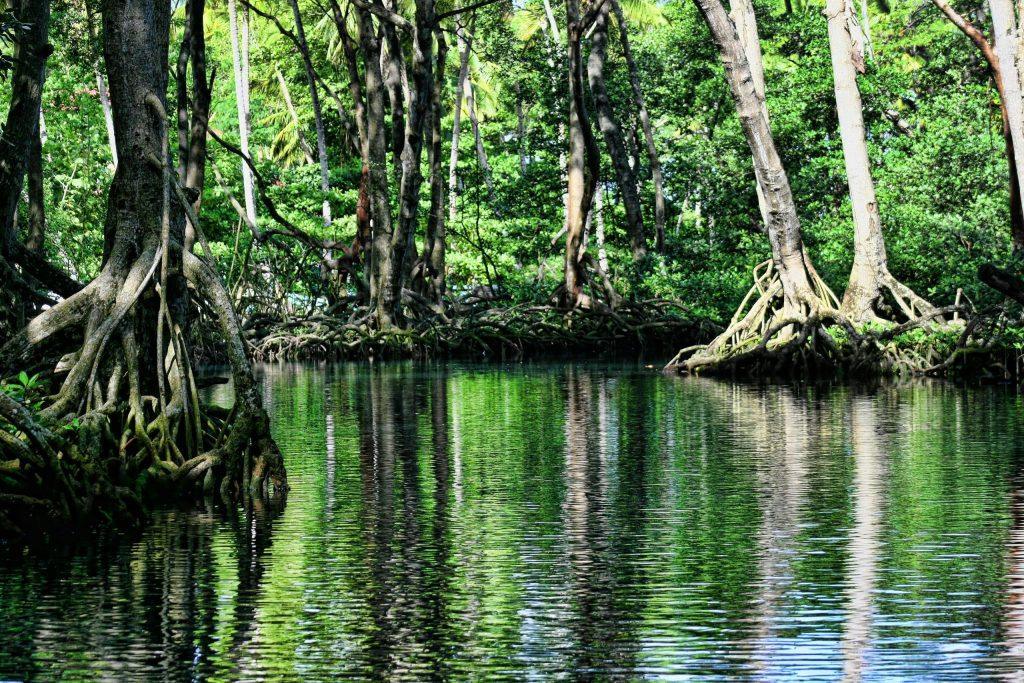
Mangrove forests are incredibly valuable coastal areas; they are home to lots of sea creatures, safeguard the land along the coast, and generally help keep coastal areas from changing drastically. Being where land and ocean connect, they form a special environment for animals and plants that live in water and on land.
A lot of scientists who study the sea, people who manage coastlines, and those focused on protecting nature, call mangrove forests natural defenses. What they do is more than just provide a variety of life, they lessen beach erosion, decrease the force of waves, and are a vital refuge for young fish needing safe, calmer coastal waters to start their lives.
Why mangrove forests matter in coastal ecosystems
Mangrove forests are found in tropical and subtropical coastal areas, in water that is salty or a mix of salt and fresh. Because of how they’ve developed, their roots are perfect for holding onto soft, muddy earth and dealing with tides that go in and out. This is why they’re so good at helping shorelines that get lots of waves, moving sand and mud, and get hit by storms.
Scientists who study coastal ecosystems frequently point out that mangroves make things much more steady in places that would otherwise be very shaky. Their roots catch sand and mud, make the water flow slower, and create living spaces at the edge of the land. This combination of things keeps the environment in balance, and also physically safeguards the coastline.
Because of all this, mangrove forests are frequently considered “foundation ecosystems” – they change the area around them to allow lots of different creatures and environments to live.
How mangrove forests support marine nursery habitat
Lots of fish, crabs, and other creatures of the sea grow up in mangrove areas. The tangle of roots makes safe, quiet spots for baby animals to avoid being eaten and to get something to eat. Because of this, mangrove forests are extremely important as a place for many marine animals to develop.
Biologists who study the ocean frequently say a species doesn’t have to live its entire life in the mangroves for them to be beneficial. For example, certain fish start their lives protected by the roots along the coast, and then swim to reefs, out into the open ocean, or into seagrass beds close by. So, how well the mangroves are doing actually has an effect on the health of the whole marine environment.
If the mangrove areas where young animals grow up start to disappear, coastal food chains become more fragile. Consequently, mangrove forests are often included in general plans for looking after the sea, and aren’t just considered as plants along the coast.
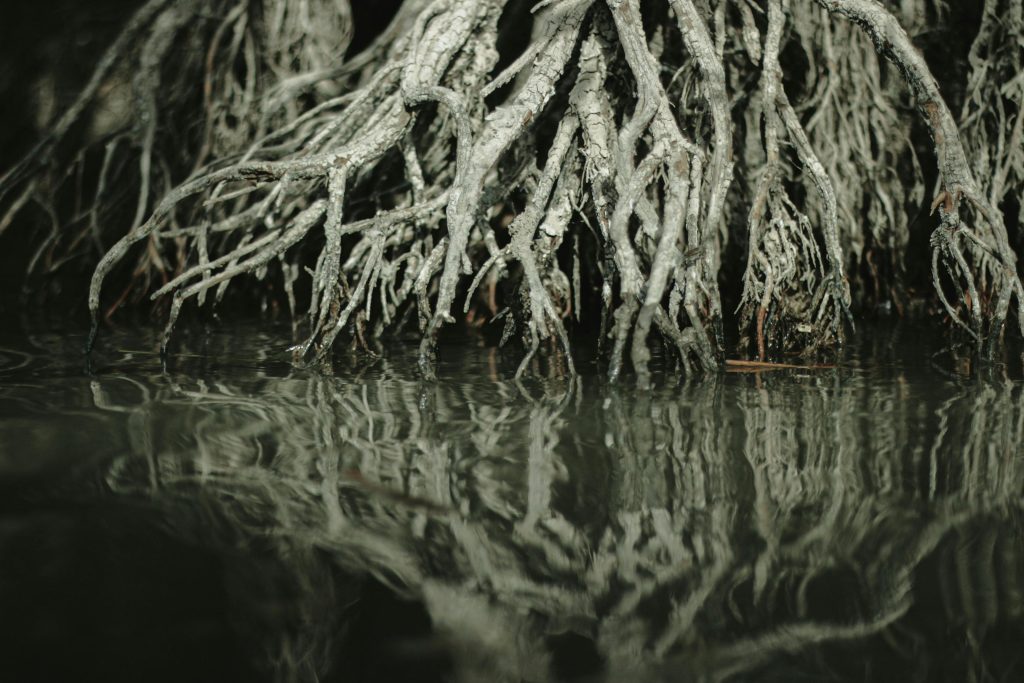
Credit: Zaid Ahmed / Pexels
Why mangrove forests help with coastal protection
Mangrove forests are really good at protecting the shore. The roots and trunks of the trees slow down the power of the waves before they hit the land, decreasing how much land gets washed away and lessening the damage from storms and large tides.
Engineers who work on coasts and environmental planners will tell you mangroves won’t completely stop a really bad storm. However, they do a lot to soften the blow. As waves go through the thick tangle of roots and branches of the trees, they lose energy before they reach land that’s more open.
This is important for beaches, where rivers meet the sea, in estuaries, and for communities on land that’s not very high above the water. Shorelines that have these natural defenses are better at keeping sand and soil in place and bounce back more easily from the normal push and pull of the water.
How mangrove forests improve shoreline ecosystems
Shoreline ecosystems need a sort of equilibrium with the water flowing, plants, the sediment (or mud), and what animals are doing. Mangroves help with this by holding muddy ground in place and slowing down the water. This then makes it easier for habitats close to them to do their job.
Scientists who study the environment frequently say mangroves link ecosystems together. They can help mudflats, seagrass beds, estuaries, and areas further out to sea, by changing the water’s quality and ensuring habitats run into each other. A good shoreline isn’t generally just one type of habitat, it’s more that these linked systems rely on each other.
Mangrove forests are also good at catching decomposing stuff, which helps with how nutrients move through coastal areas. Because of this, they’re a busy and productive environment, even much further than the edge of the forest itself.
What threatens mangrove forests over time
Mangrove forests get hurt by cutting down land, building on the coast, various kinds of pollution, and changes to how water moves. They’re often cut down in certain areas for building, shrimp or fish farming, or to make it easier for ships and boats to get around. When you mess with the roots, the land along the coast is more easily washed away, and animals lose their homes.
People who work to save nature frequently say damage doesn’t remain just in the area where it happens. Mangroves are tied to the water and other ecosystems around them, so when they disappear, it impacts fish numbers, how well the shoreline holds its shape, and the quality of water in the whole region.
And that’s a big reason why bringing them back is usually more difficult than preventing damage in the first place. Simply planting new trees can work in some spots, but mangroves that are doing well generally need the correct high and low tides, a good supply of sand and mud, and stable conditions for years and years.
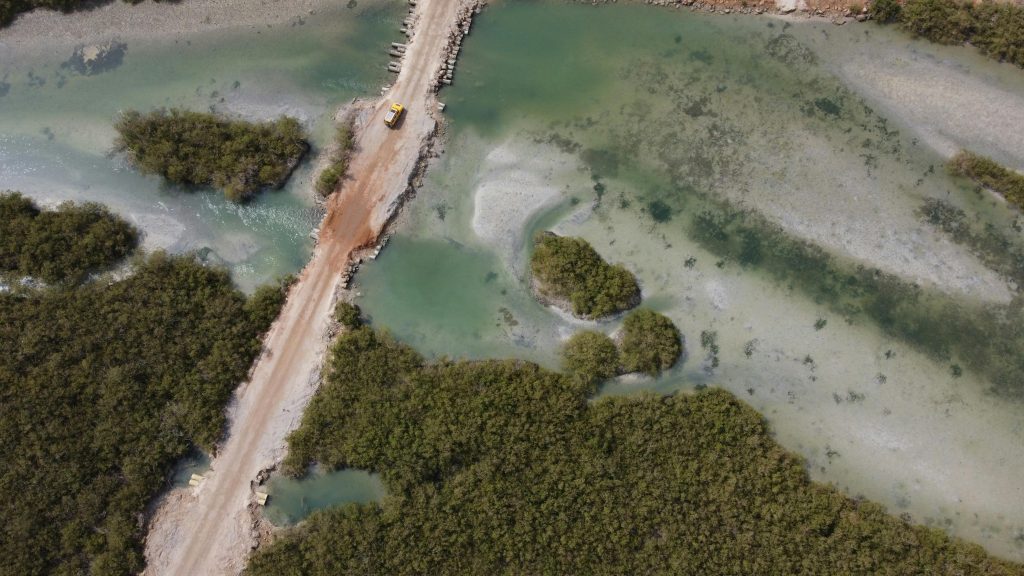
Credit: Asad Ansari / Pexels
What experts recommend for mangrove forest protection
Generally, specialists suggest we safeguard mangrove forests with improved planning for the coast, looking after the places they live, and a much clearer understanding of how shorelines work as a whole. Protecting them is most effective when local people understand mangroves are useful for things they do and are important to the environment.
When it comes to bringing mangroves back, those who plan things for the sea insist on fixing things to the specifics of each area instead of just sticking in new plants. Whether mangroves will live for many years is influenced by how water moves, how sand and mud settle, and how the land is used. They’ll only truly thrive in the long run if the whole area around the shoreline is protected.
Mangrove forests are important for all the living things within and outside of the sea. They’re a really obvious illustration of how natural areas can both allow lots of different types of animals and plants to exist and help people to recover from difficulties because of their coastal protection and function as nurseries for sea creatures.
Frequently Asked Questions
Q: Why are mangrove forests important?
A: Mangrove forests support marine life, protect shorelines from erosion, and help coastal ecosystems stay stable.
Q: How do mangrove forests help fish populations?
A: Many young fish and other marine animals use mangroves as sheltered nursery habitat before moving into other coastal waters.
Q: Do mangrove forests reduce storm damage?
A: Experts often explain that mangroves can reduce wave energy and shoreline erosion, which may lessen some storm impacts.
Q: What threatens mangrove forests most?
A: Coastal development, land clearing, pollution, and changes to natural water flow are common threats.
Key Takeaway
Mangrove forests are really important; they’re where lots of young sea creatures grow up, they make beach and coastline areas healthier, and they give coasts more defense. People who study these things frequently say they’re natural ways of helping animals and people who live by the sea. The roots hold the land along the shore in place and, at the same time, give a safe home to a huge variety of animals. Learning about mangroves makes it obvious that looking after the coast is very much connected to how well the environment bounces back from difficulties in general.