


Smaller trash bins can change how households think about waste because they make disposal more visible and harder to ignore. A large bin can hide repeated waste patterns for days, while a smaller one fills sooner and shows more clearly what is leaving the home. That faster feedback often helps people notice habits they would otherwise miss.
Waste reduction educators, behavior researchers, and home organization specialists often explain that lower everyday waste begins with awareness. When households can see waste building in real time, they are more likely to question what is being thrown away, sort materials more carefully, and make practical adjustments before the pattern repeats again.
Why smaller trash bins matter in daily household routines
Most waste decisions happen quickly. Someone unwraps packaging, clears leftovers, throws away paper towels, or discards an item that seems no longer useful. These moments often pass without much thought because the bin is simply there to receive the material and remove it from sight. If the bin is large, the household may not notice how much waste is accumulating until much later.
Behavior specialists often explain that smaller trash bins matter because they shorten the time between the action and the visible result. The bin fills faster, which makes the household more aware of how often it is being used and what kinds of materials are entering it. That does not make waste disappear on its own, but it makes the pattern easier to read.
This is one reason smaller trash bins are often discussed as part of practical home systems. They help the household see waste earlier instead of waiting until it becomes a full bag with no clear memory of how it got there.
How smaller trash bins support household waste awareness
Household waste awareness grows when people receive clear signals from their routine. A smaller trash bin provides one of those signals because it shows waste buildup more quickly. When the bag needs changing sooner than expected, households often begin asking useful questions. Was the waste mostly food? Was it packaging? Was it disposable cleaning material or duplicated paper use?
Waste reduction experts often note that awareness works better when the evidence is visible. A smaller trash bin does not lecture the household or require complicated tracking. It simply reveals the output more often. That repeated visibility helps people connect daily behavior to the amount of waste the home is actually creating.
This is especially useful in kitchens and bathrooms, where many quick disposal choices happen every day. A smaller container in these spaces often makes the waste stream easier to understand.
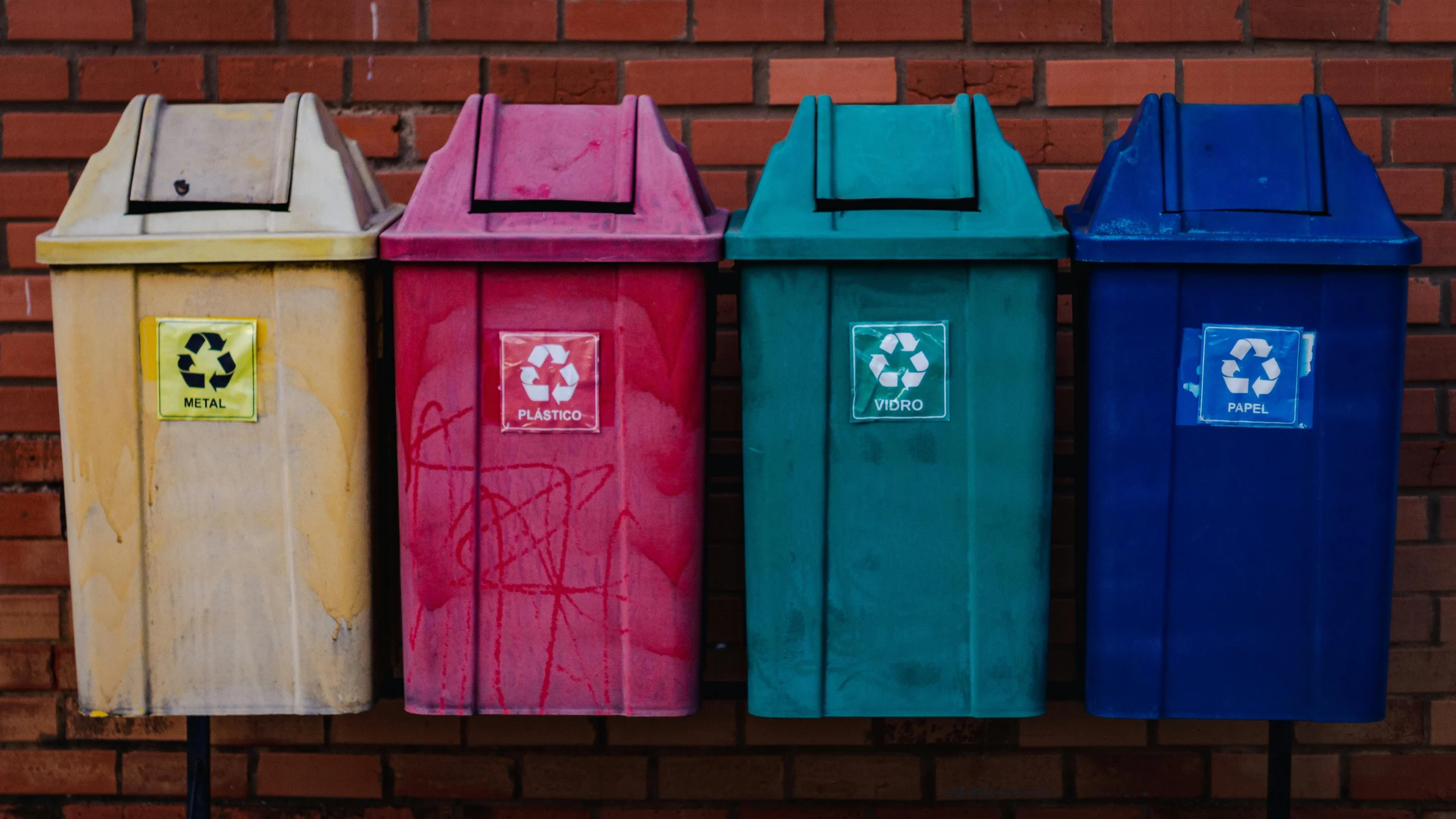
Credit: Hiago Rocha / Pexels
Why larger bins can hide repeated waste patterns
Larger bins are useful in some situations, but they can also make waste feel distant. Because they hold more, they delay the point at which the household sees a full result. A bag may take days to fill, and by the time it does, the individual choices that created that volume are harder to remember. The waste becomes one large mixed outcome instead of a series of visible decisions.
Home behavior researchers often explain that this delay can weaken learning. People may know the household produces too much waste in general, but they may not know why. A large bin hides frequency. It allows repeated disposal habits to continue without much interruption or reflection.
Smaller trash bins reduce that delay. They do not solve the waste problem by themselves, but they can make it easier to identify where the problem is strongest.
How smaller trash bins can improve sorting decisions
Sorting decisions often improve when the general trash bin feels more limited. If the main bin fills quickly, households may become more careful about what truly belongs there. Recyclable materials, food scraps, and reusable items are less likely to be thrown into general waste by default when space feels more visible and more intentional.
Waste system educators often explain that a smaller trash bin works best when paired with clear alternatives. A household may use separate containers for recycling, food scraps, or reusable cloths and containers that stay in circulation instead of entering the waste stream. In that setup, the smaller trash bin becomes one part of a clearer system rather than a stand-alone restriction.
This is why smaller trash bins often support better waste habits indirectly. They encourage more accurate decisions when the household already has practical alternatives in place.
Why smaller trash bins can reduce convenience waste
Convenience waste often comes from small disposable items used automatically because they are easy in the moment. Paper towels, wrappers, single-use bags, and throwaway cleaning materials may all enter the bin without much thought. A large bin absorbs these habits quietly. A smaller one makes them more noticeable because the visual effect builds faster.
Household efficiency advisers often explain that this can shift behavior in a practical way. When people see the bin filling with the same types of disposable items again and again, they are more likely to ask whether a reusable alternative is already available. The change does not come from guilt alone. It comes from clearer evidence.
That is why smaller trash bins are often linked to waste reduction through visibility. They show what convenience really costs in daily material use.

Credit: Karolina Grabowska / Pexels
What experts recommend when using smaller trash bins at home
Experts usually recommend pairing smaller trash bins with better layout rather than using them as a stand-alone rule. The home should still make recycling, food scrap collection, and reusable items easy to access. If the smaller bin is the only change, people may feel frustrated rather than informed. If the full system becomes clearer, the smaller bin often works much better.
Home organization specialists also suggest starting in one area, such as the kitchen or bathroom, where waste patterns are easiest to notice. This allows the household to observe what fills the bin most quickly and which alternatives would reduce that stream. Once the pattern becomes clear, the next improvement is usually much easier to choose.
The goal is not to create discomfort for its own sake. The goal is to make waste visible enough that better habits can take shape naturally.
Why smaller trash bins fit practical lower-waste systems
Practical lower-waste systems work best when they help households notice problems early. Smaller trash bins fit that idea because they create faster feedback without requiring complicated measurement. They turn disposal into a more visible part of daily life, which supports better awareness of food waste, packaging waste, and convenience habits over time.
Waste reduction researchers often explain that awareness is one of the strongest first steps in changing behavior. Once the household sees the waste stream more clearly, it becomes easier to sort better, reuse more, and question repeated throwaway habits. In that sense, the smaller trash bin is not the final solution. It is the clearer signal that helps other solutions begin.
That is why smaller trash bins often help households notice waste more clearly. They make the routine speak for itself, which is often what a busy home needs most.
Frequently Asked Questions
Q: Why do smaller trash bins help reduce waste?
A: They help by making waste buildup visible sooner, which supports stronger household waste awareness and better daily decisions.
Q: Do smaller trash bins work on their own?
A: Experts often explain that they work best when paired with clear recycling, food scrap, and reuse systems around the home.
Q: Where should households try smaller trash bins first?
A: Kitchens and bathrooms are common starting points because these spaces usually produce the most frequent daily waste.
Q: Are smaller trash bins meant to make life harder?
A: No. The goal is to make waste easier to notice so households can build more practical lower-waste habits over time.
Key Takeaway
Smaller trash bins often help households notice waste more clearly because they shorten the gap between daily disposal choices and visible results. Experts often explain that this stronger household waste awareness can support lower everyday waste, better sorting, and more practical home systems over time. Their value is greatest when recycling and reuse options are also easy to reach. Understanding smaller trash bins as a visibility tool helps households build lower-waste habits in a practical way.