
Food storage mistakes often lead to increased household food waste, as many items spoil due to improper storage or being forgotten.
A lot of the food thrown out in homes goes bad not from not being used, but from being kept in the wrong way or simply being overlooked. And you can make food last longer and throw out less of it with only a few little adjustments to how you store things.
What people who teach about safe food handling, those who are experts in setting up kitchens, and scientists studying environmental impact all tend to say is that storing food correctly isn’t so much about following loads of specific directions, but about being mindful. Being aware of how heat, dampness and brightness affect different foods will help your kitchen run more smoothly in general.
1. Storing all produce in the same place
Different fruits and vegetables need to be stored in different ways. Some are best kept in the fridge, but others are happier sitting out on the counter. Putting them all together can make them go bad more quickly.
And as many food people point out, particular fruits give off gases that make other foods around them ripen (and then spoil) faster, meaning you’ll throw away more.
2. Ignoring airflow in the refrigerator
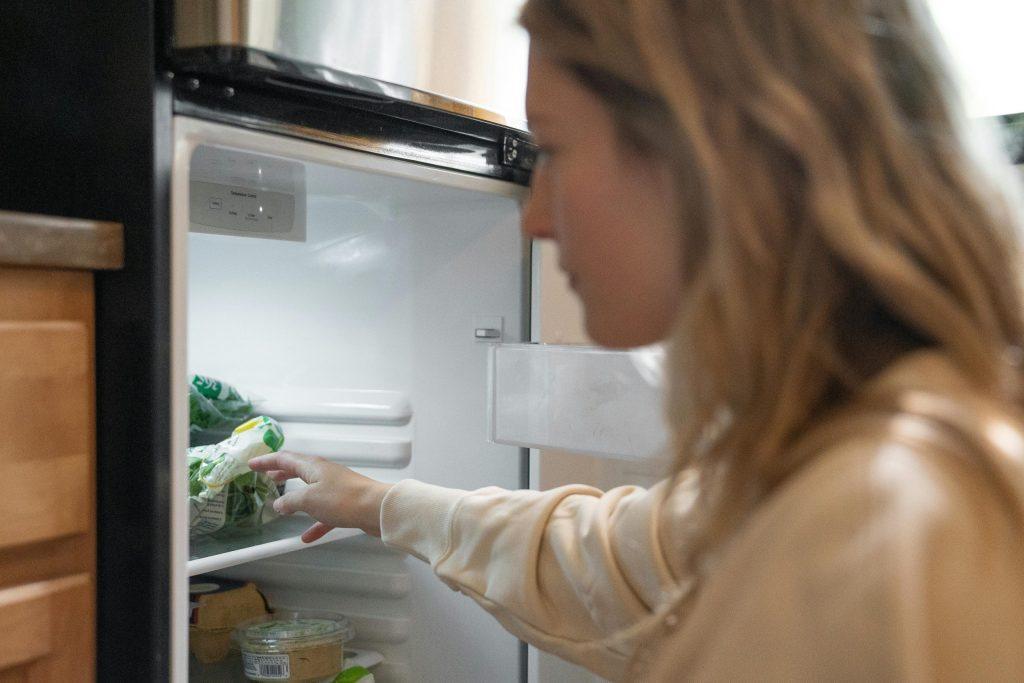
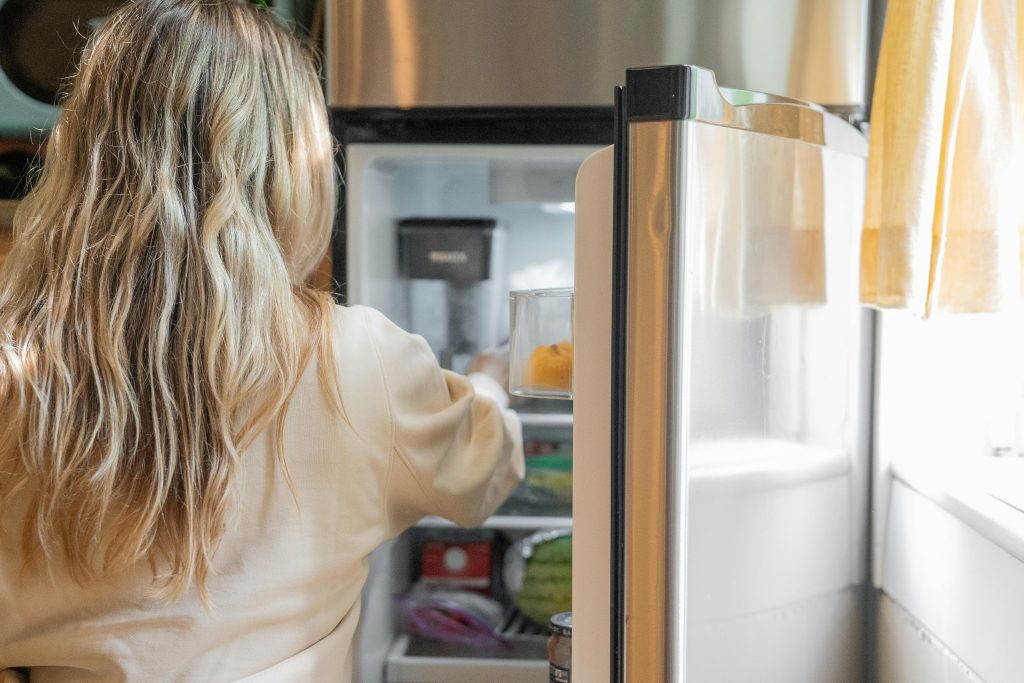
Overpacking the refrigerator can block airflow, leading to uneven cooling. Some areas may become too warm, causing food to spoil faster.
Kitchen efficiency specialists often recommend leaving space between items to allow proper circulation.
Credit: Kevin Malik / Pexels
3. Keeping leftovers out of sight
Different fruits and vegetables need to be stored in different ways. Some are best kept in the fridge, but others are happier sitting out on the counter. Putting them all together can make them go bad more quickly.
And as many food people point out, particular fruits give off gases that make other foods around them ripen (and then spoil) faster, meaning you’ll throw away more.
4. Not labeling stored food
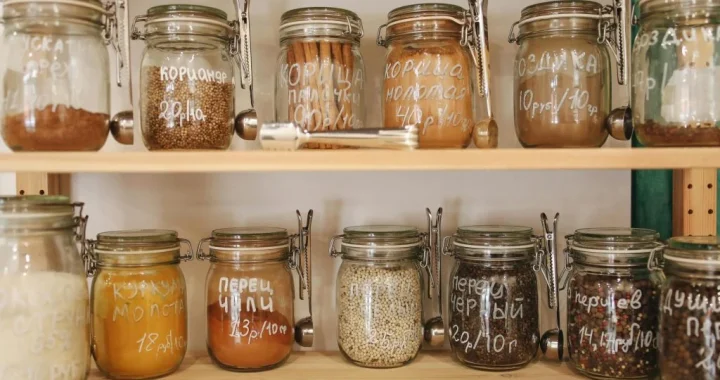
Without labels or clear timing, it can be difficult to remember when food was prepared or opened. This uncertainty often leads to premature disposal.
Simple labeling habits can help households manage food more effectively.
5. Using incorrect storage containers
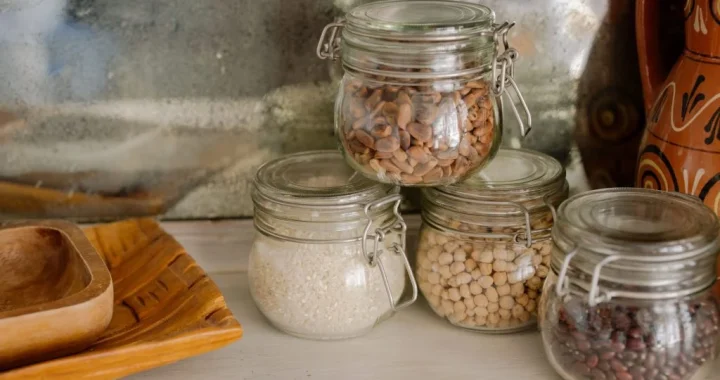
What’s best for keeping one food good is rarely what’s best for another. Some things stay fresh if you seal them in airtight containers, but others do better with a bit of air circulating to stop them getting damp.
People who really know about storing food will tell you to pick a container based on what you’re storing, not just how easy the container is to use.
6. Washing produce too early
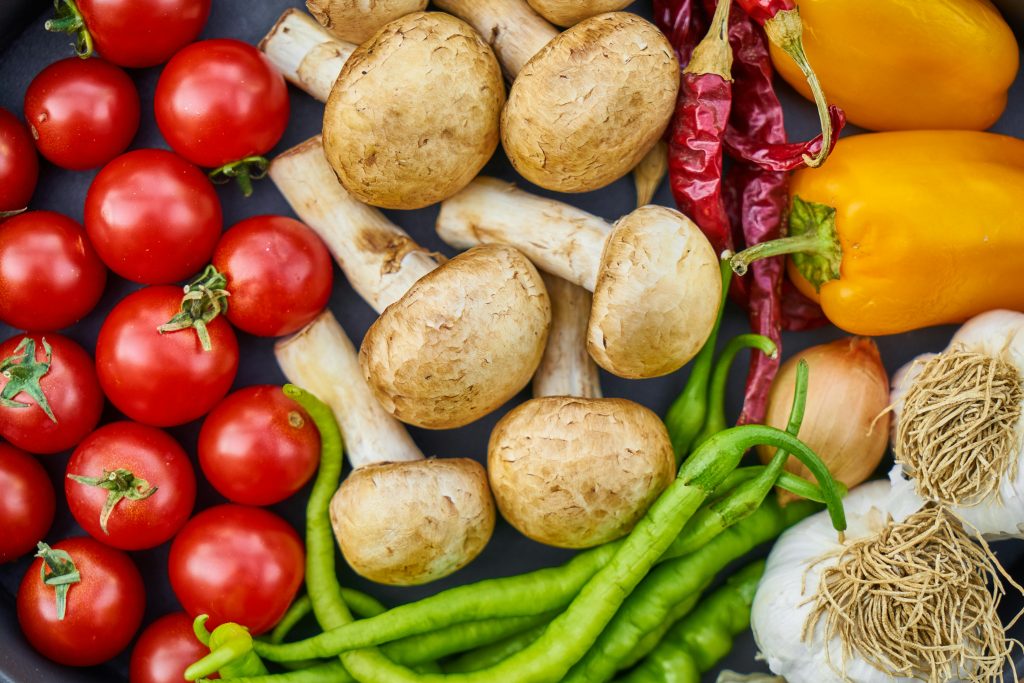
If you wash fruits and vegetables before you put them away, you’re adding extra water, and that can make them go bad more quickly. In fact, some things will stay fresh for a longer time if you wash them right when you’re going to eat them. Experts in food safety typically say to store your produce unwashed, unless you’re going to use it immediately.
Credit: Karolina Grabowska / Pexels
7. Storing food without considering temperature zones
Refrigerators aren’t the same temperature everywhere. The doors are generally warmer, and the bottom shelves are often colder. If you put food in a place that’s too warm for it, it won’t stay fresh as long. In fact, people who know a lot about appliances usually say to keep foods that spoil quickly in spots where the temperature doesn’t swing around much.
8. Forgetting to rotate older items
When you get new groceries, you usually put them in front of what you already have. This means the older stuff gets pushed to the back, and we’re much more likely to find it later, when it’s gone bad and needs to be thrown out. Easily getting into a routine of moving the older food to the front though, will help you see what you have and throw away a lot less.
Frequently Asked Questions
Q: What are the most common food storage mistakes?
A: Mixing produce types, overcrowding refrigerators, and forgetting leftovers are among the most common mistakes.
Q: Can better storage really reduce food waste?
A: Yes. Proper storage helps food last longer and reduces unnecessary disposal.
Q: Should all food be stored in airtight containers?
A: Not always. Some foods require airflow, while others benefit from sealed containers.
Q: Why do leftovers often go to waste?
A: They are often stored out of sight and forgotten before they are used.
Key Takeaway
Food storage mistakes are a major cause of household food waste, but small adjustments can make a significant difference. Experts often recommend better visibility, proper containers, and understanding how different foods respond to storage conditions. Consistent habits tend to reduce waste more effectively than complex systems. Improving food storage practices helps households manage resources more efficiently.