

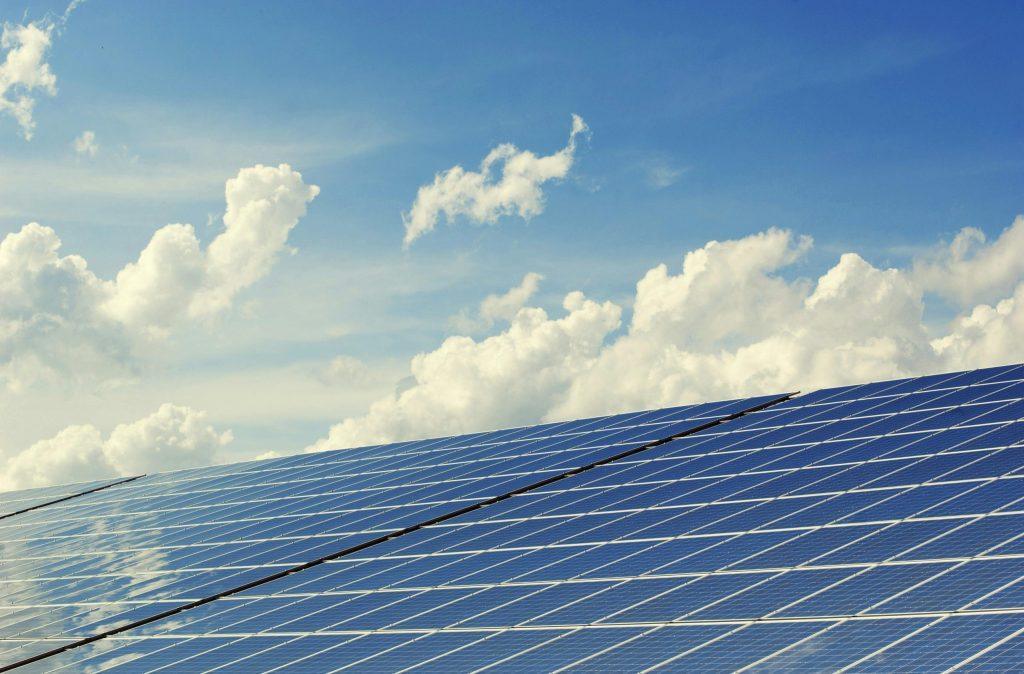
Battery storage systems help make renewable energy more reliable by balancing when power is produced and when it is needed.
Because renewable energy is being used more and more, battery storage is now a key piece of the puzzle for making it work. Solar and wind power create electricity at varying points in the day, yet we don’t always use electricity at those exact times.
In fact, energy experts, people who work on the electricity grid, and those researching clean technologies will tell you storage makes renewables much more dependable. They do this by keeping extra energy and using it when it’s required, smoothing out the differences between how much power is available and how much we are using.
Why battery storage systems matter for renewable energy
Solar and wind power, like many other renewables, aren’t available all the time. Solar panels make electricity when the sun is shining, and wind turbines need wind to work. Batteries can hold onto any extra power created when they are making a lot of energy.
Experts in the energy field frequently point out that if you don’t have storage, surplus power can be wasted when there’s more being created than is being used. Storage is how we actually keep that power to use later.
As a result, we get a system that operates more effectively and is much more stable.
How battery storage systems improve energy grid stability
To keep the lights on, electricity grids absolutely need the amount of power being made to match the amount people are using at any given moment. When a lot more power is suddenly needed, or if power generation falls unexpectedly, the whole system can get shaky. Battery storage helps with these kinds of shifts by sending out electricity that’s been saved up for when it’s required.
Because of how rapidly they can work, grid managers use these storage systems a lot to deal with ups and downs in power use. This keeps the electricity coming at a regular rate, and lowers the chances of blackouts.
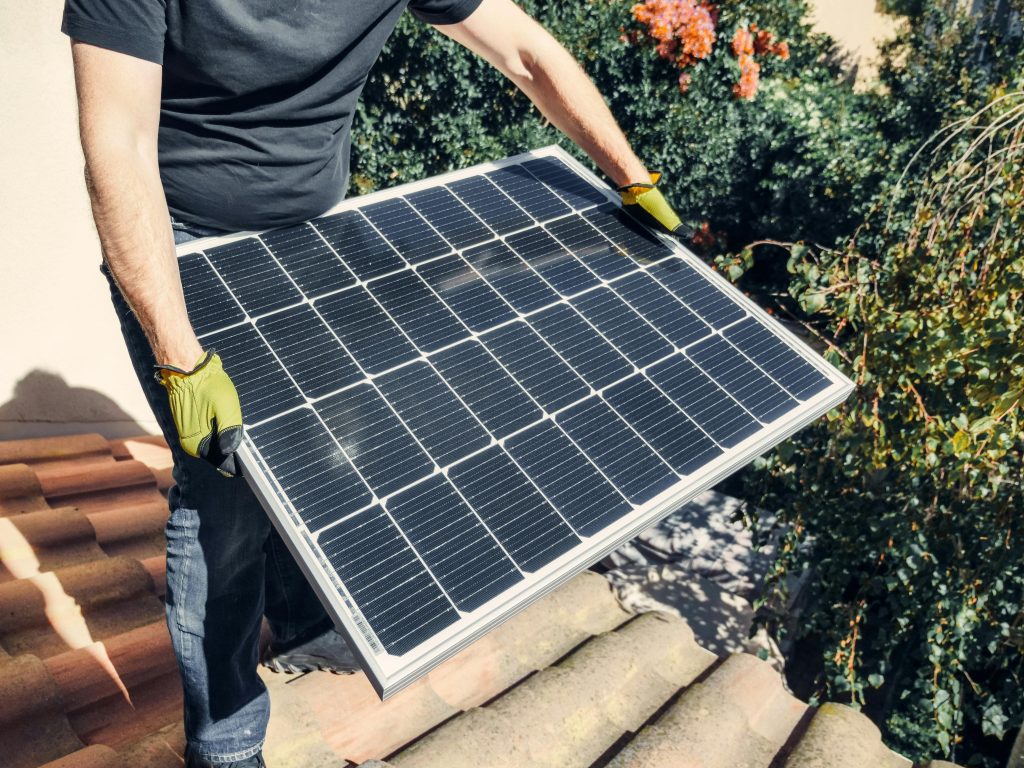
Credit: Kindel Media / Pexels
Why timing matters in renewable energy storage
Usually, we use the most power in the evening, and that’s when solar panels aren’t making as much electricity. Batteries solve this problem by keeping the power generated earlier, and then supplying it when we start using more.
People who study clean energy call this process of using power at different times of day “time-shifting.” Because of it, power from sources that are renewable can handle more of our needs throughout the day.
If we don’t have batteries, or something to store energy, we’ll probably have to use other, backup power sources much more during those busiest times.
How battery storage systems support homes and communities
Battery systems come in all sizes, from huge ones that power the whole electricity grid to much smaller ones for individual houses. At home, these systems can control how you use electricity and lessen how much you need from the power company when demand is at its highest.
Storage for a whole community can strengthen the infrastructure everyone shares, making power more dependable for groups of houses and smaller, local power areas.
And it’s a common opinion among those who know about this stuff that batteries which can be adjusted to suit needs, make it easier for wind, solar and other renewables to work in lots of different places.
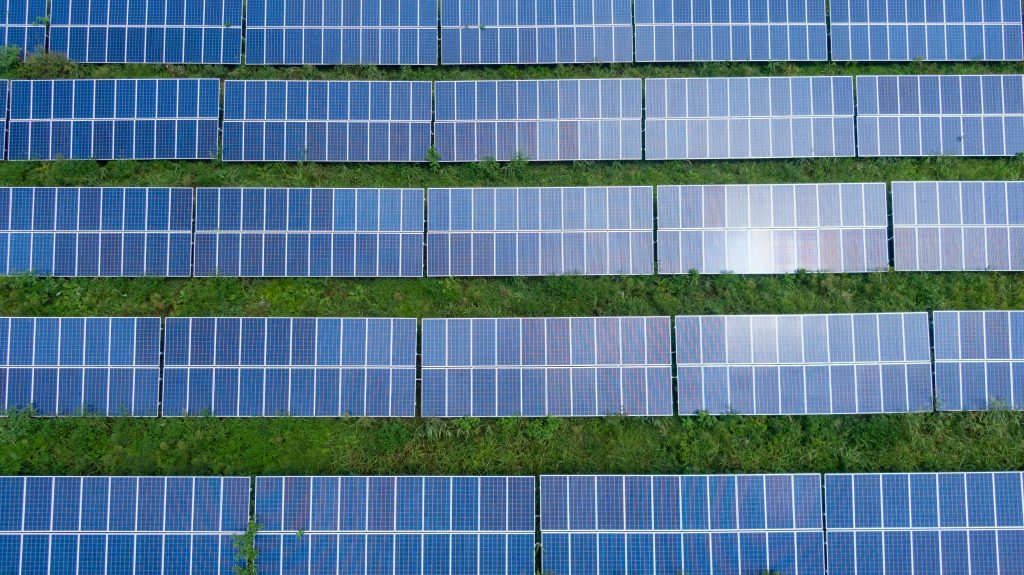
Credit: Kelly / Pexels
What experts say about the future of battery storage systems
People who really know about energy generally think of storing energy as being central to energy plans in the future. We’re likely to see storage become much more important in renewable energy, as it gets better at being efficient, holding more energy, and working with the rest of the system.
Currently, research and development are still being done to make energy storage cheaper, more widely available, and more successful for all sorts of different places and purposes.
Lots of times, battery systems are considered a sensible solution to making renewable energy more dependable, all without altering the original method of producing the power.
Frequently Asked Questions
Q: What are battery storage systems?
A: They are systems that store energy for later use, helping balance supply and demand.
Q: Why are battery storage systems important for renewable energy?
A: They store excess energy and release it when production is low or demand is high.
Q: Can battery storage systems reduce power outages?
A: They can help stabilize the grid and reduce the risk of disruptions.
Q: Do homes use battery storage systems?
A: Yes. Some households use storage systems alongside solar panels for better energy management.
Key Takeaway
Because the amount of power available from things like solar and wind isn’t constant, batteries are really important for giving us a steady stream of renewable energy – they even things out throughout the day and night. In fact, specialists frequently emphasize how crucial they are to a stable power grid and using energy as wisely as possible. They hold onto energy and then give it back when you require it, and do this for everything from powering lots of homes to a single one. Looking at how battery storage works clarifies how renewable sources can more easily provide all the energy we use each day.