
Often, you can speed up sluggish Wi-Fi with fairly easy things: put your router in a better spot, keep track of how many devices are using the internet, and change your settings. In fact, people who know about this sort of thing say that looking after your internet and making little adjustments routinely makes a big difference to how well it works at home.
Why coral reefs support marine ecosystems
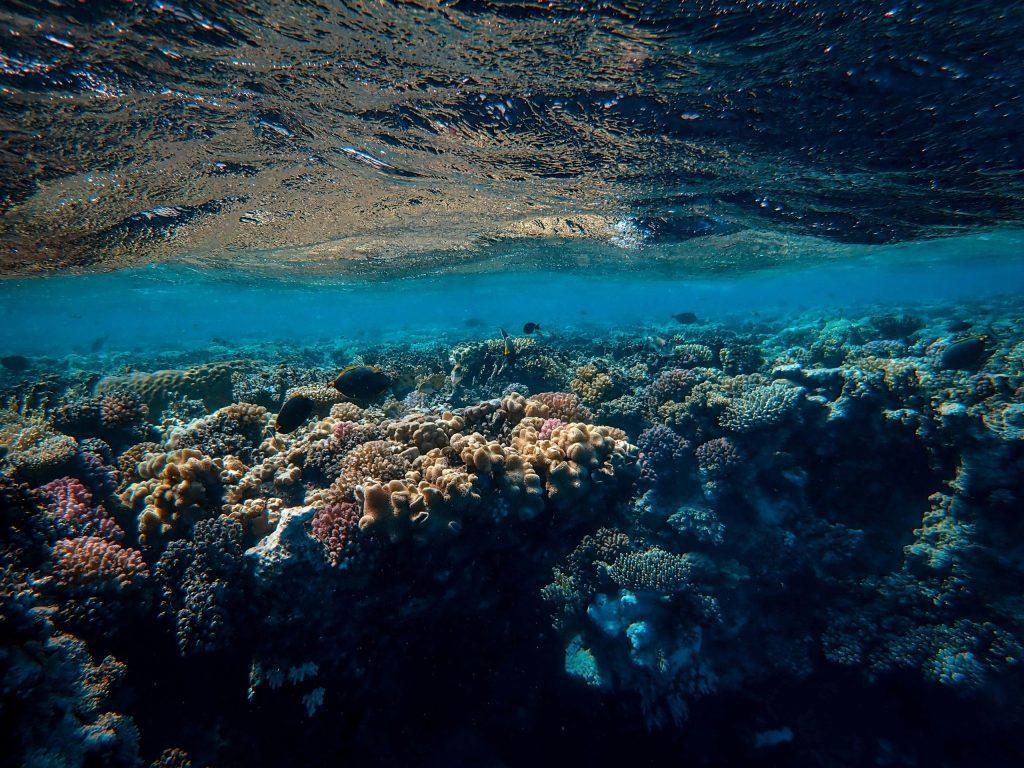
Lots of sea creatures live in coral reefs, and they get protection, something to eat, and places to have babies there. Fish, crabs, and all sorts of other marine life need the reef itself to live.
Marine scientists frequently point out coral reefs are pretty much natural homes for sea life, and that’s where they all relate to each other and keep things in the ocean working as they should. If the reefs weren’t there, a huge number of animals would have a really hard time locating a proper place to live.
Because coral reefs have so many different types of life within them, the whole ocean environment stays healthy and steady.
How coral reefs contribute to ocean biodiversity
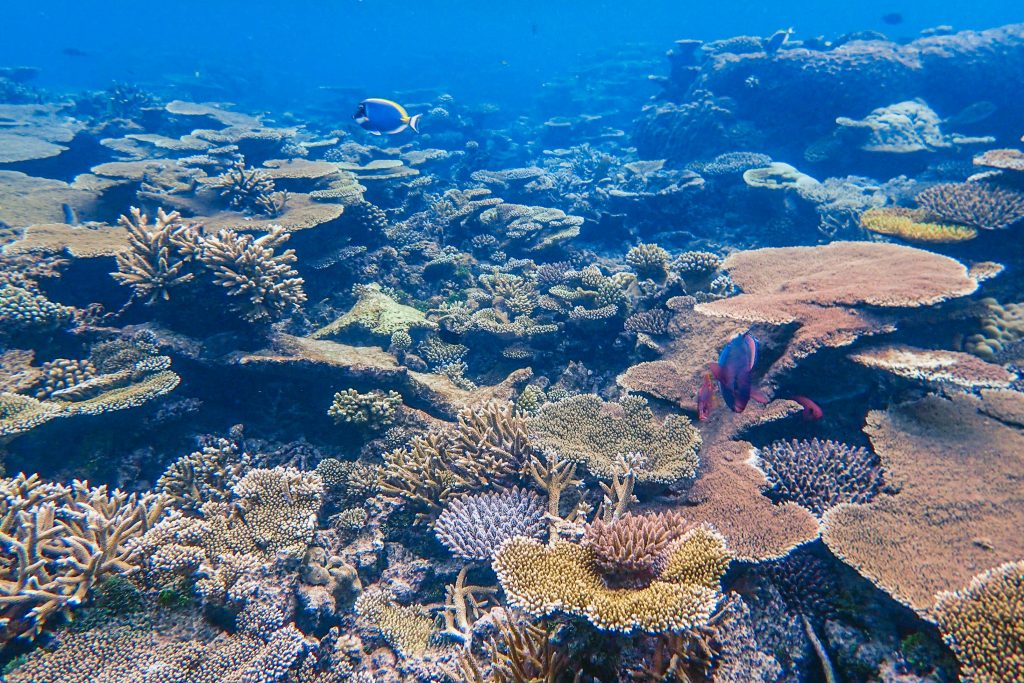
Even though coral reefs only take up a bit of the seabed, loads of different creatures in the sea live on them. Because of this huge collection of life, reefs are really significant for biodiversity.
Scientists who study the sea regularly point out that when reefs are doing well, they enable complicated feeding relationships to exist. Every type of animal and plant within that system has a job in keeping everything stable.
Credit: wewe yang / Pexels
Why coral reefs help protect coastlines
Because they sit out in the water, coral reefs are like natural walls, lessening the power of waves as they come to shore. This means less of the coastline washes away and coastal places are safer when storms happen.
Actually, people who study the environment say reefs soak up wave energy, so beaches and things like piers or buildings on the coast aren’t hit as hard.
And places by reefs are usually much more protected, particularly when the weather is really, really bad.
How coral reefs support local environments
Coral reefs do more than just provide a home for creatures in the sea; they affect the areas all around them. Specifically, they help keep the water clean and are vital for ecosystems close by, like seagrass beds, mangroves and many others. Because of these links, a collection of living places are formed and each one needs the others to remain strong and recover from difficulties.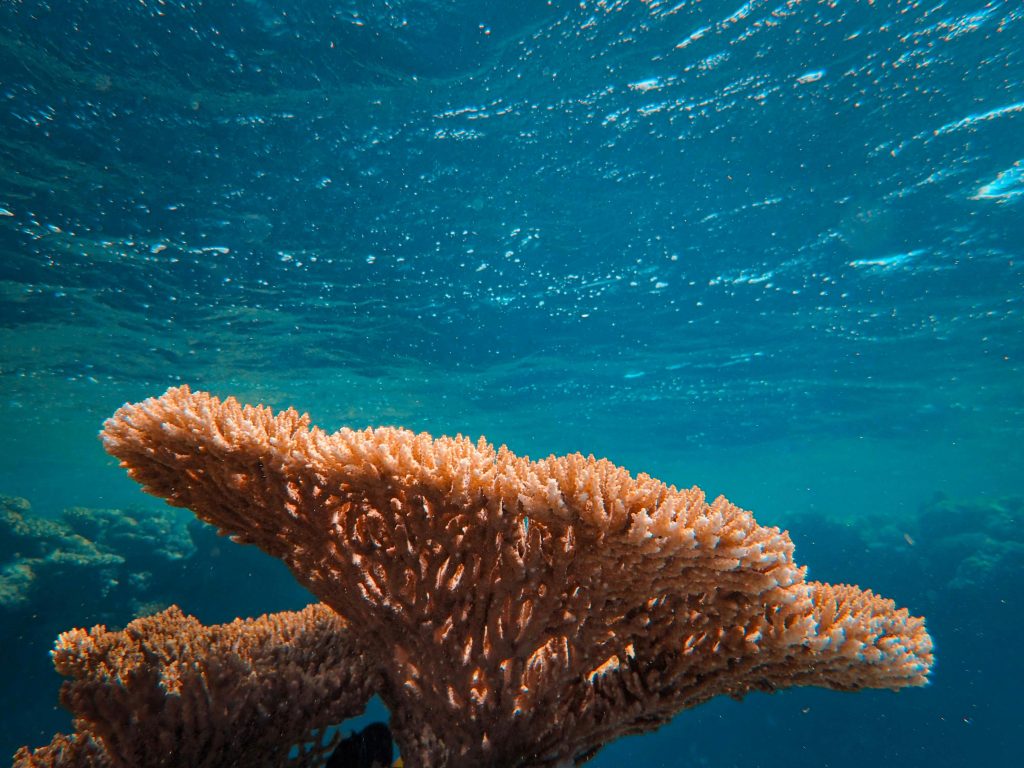
Credit: Jeremy Bishop / Pexels
What experts say about coral reef conservation
People who work to save things in the ocean continually say how vital coral reefs are. They’re key to having a lot of different types of life, and for coastlines to be able to recover from difficulties. When the ocean changes, this affects how healthy reefs are, and the animals and plants that need them.
Most of the work done to safeguard reefs is about lessening problems caused by the surroundings and helping the whole reef system work as it should.
If we grasp what coral reefs do, towns and cities will more easily understand why they matter to us, not just to the sea.
Frequently Asked Questions
Q: Why are coral reefs important?
A: They support marine life, protect coastlines, and maintain ecosystem balance.
Q: Do coral reefs help prevent coastal damage?
A: Yes. They reduce wave energy and help limit erosion.
Q: What lives in coral reefs?
A: Many species, including fish, crustaceans, and marine plants, depend on reefs.
Q: Are coral reefs important for biodiversity?
A: Yes. They support a wide range of species in a relatively small area.
Key Takeaway
Coral reefs are incredibly important to life in the sea, all the variety of plants and animals in the ocean, and keeping shorelines safe. People who study this sort of thing frequently point out how crucial they are for a healthy environment and for communities to be able to bounce back from difficulties. Because they are a place for many creatures to live and lessen the force of waves, they’re fundamentally natural systems we can’t do without. Learning about coral reefs shows us how the health of the ocean and how steady the coastline is are linked.
[INTERNAL LINKING SUGGESTIONS]
– Why Forest Streams Matter for Wildlife and Clean Water
– 6 Ways Wetlands Protect Ecosystems and Local Communities
– Why Drought Conditions Affect More Than Water Supply Alone