
It’s easiest to save energy when you do little things over and over. You can reduce how much energy you throw away with adjustments to your lights, how you use your appliances, when you use them, and looking after your house, and all of this without making your home any less comfy or changing your lifestyle a lot.
When it comes to energy being wasted, professionals like energy consultants, experts in making homes more efficient, and those who look after buildings generally say it’s the things you do all the time, rather than big errors, that are the problem. And you’ll likely get a home which uses energy more wisely by being mindful of your habits, as opposed to doing a lot of expensive rebuilding.
1. Replace older bulbs with efficient lighting
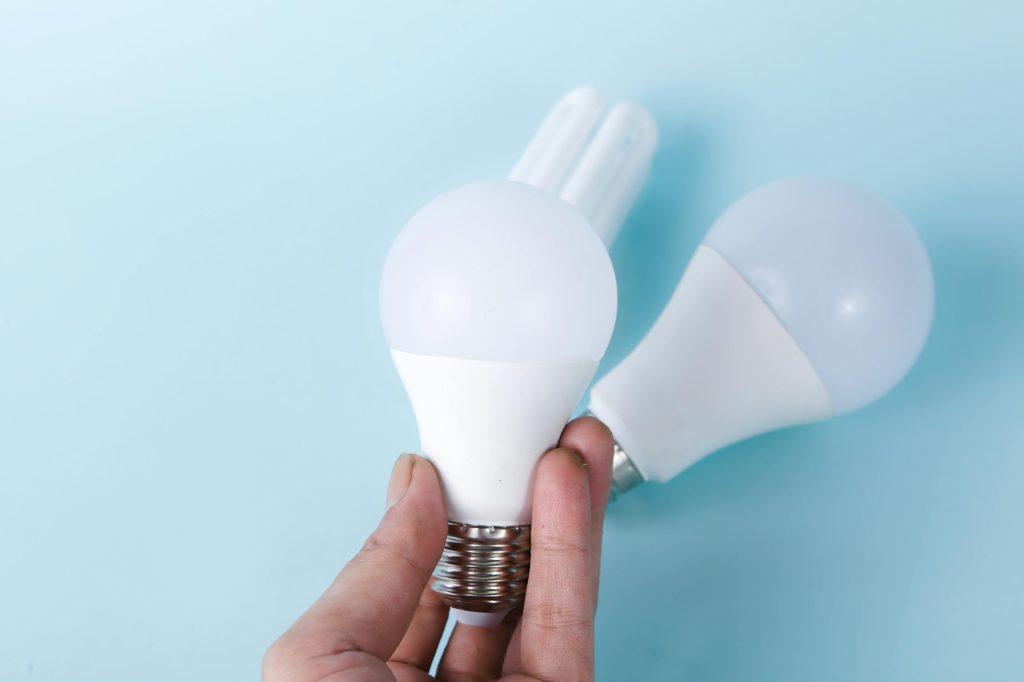
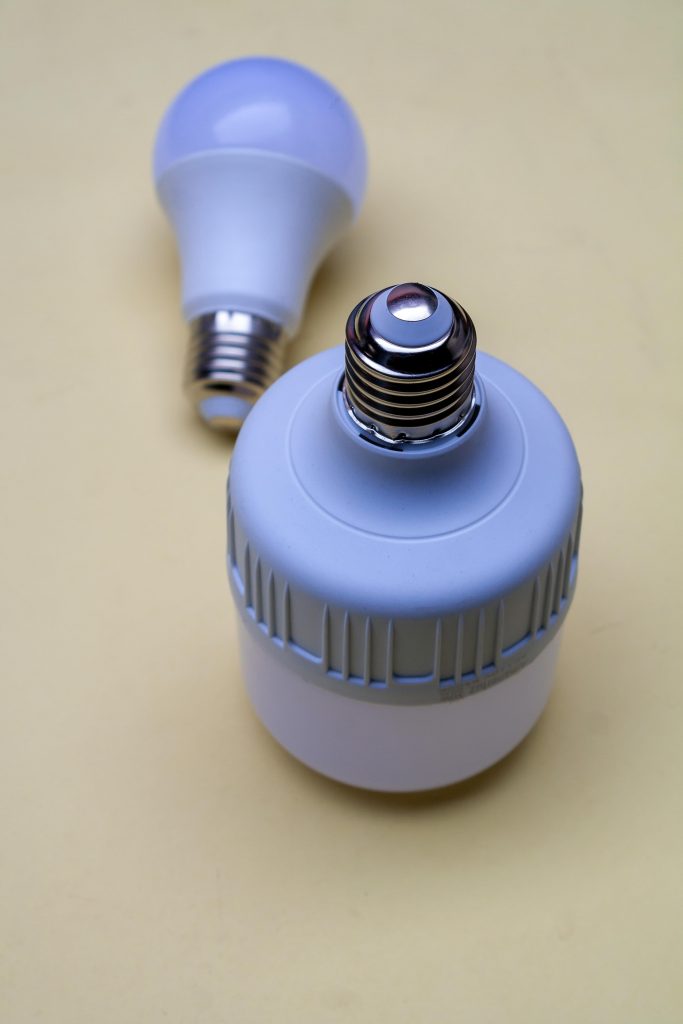
You can really easily start with the lights when you want to improve things around the house. Switching to energy-saving bulbs will generally cut down on wasted energy, particularly in kitchens, living rooms and outside – any room where the lights are on a lot. Home improvement specialists suggest dealing with these areas first, because they are used every day.
2. Turn off what is not being used
Of course it’s pretty clear, but people still waste electricity by leaving lights, fans, and things like TVs going. This is particularly true in houses with lots going on, where people leave devices on just because it’s easy.
When you do things to save energy without thinking about it, that’s when you really save. And families often do well by quickly looking through each room before they leave the house or turn in for the night.
3. Use daylight more effectively
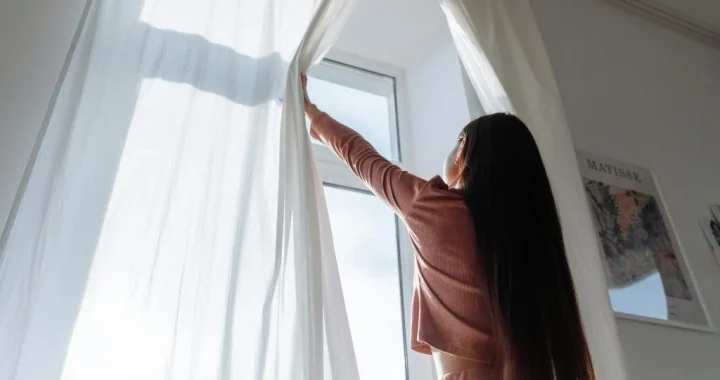
Homes with usable natural light can reduce power use during the day by opening blinds and arranging activity around brighter spaces. This is one of the least expensive ways to cut routine electricity demand.
Credit: Arturo Aez / Pexels
4. Keep cooling and heating systems maintained
When your filters are grimy or you don’t look after your household systems, they typically use more power than they should. Experts in home repair will tell you that keeping on top of easy maintenance allows your appliances to work without being pushed so hard and to perform more consistently.
And even if you can’t swap out older appliances for newer ones, doing regular maintenance will still make them work more efficiently.
5. Reduce wasted cooling or heating through small fixes
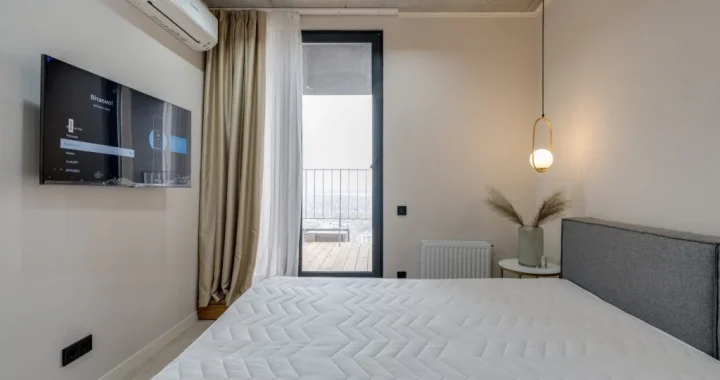
Cold air sneaking in around doors and windows steadily makes your house lose energy. You can lessen the strain on your furnace or air conditioner by sealing up those drafts, using your curtains well, and being smarter about which rooms you’re heating or cooling.
These aren’t huge alterations, but they help you get into the mindset of saving energy, and stop energy from being wasted unnecessarily.
6. Run major appliances with more purpose
Your dishwasher, washing machine and tumble dryer generally do a more efficient job when they’re pretty full and you use them at the right time. Using them for only a few things over and over again slowly but surely pushes up your electricity bill each month.
In fact, people who professionally advise on home energy use will often suggest you schedule when you do washing and kitchen stuff, rather than just turning on appliances whenever you happen to think of it.
7. Review standby power waste
Lots of electronics don’t truly shut down; they still use some electricity when they seem to be off. This adds up to wasted energy and money over the months and years with things like your TV and gaming setup, phone or laptop chargers, and all kinds of little gadgets.
To lower your electricity bill (and be kinder to the environment), you can use power strips to cut off the flow of electricity, or just pull the plug on appliances and devices you don’t use very often.
8. Link energy saving habits to low-waste living
Efficiency and sustainability often support each other. Reusable household choices, better maintenance, and longer product life can reduce both material waste and energy waste.

Credit: Karola G / Pexels
Frequently Asked Questions
Q: What are the easiest energy saving habits to start first?
A: Efficient bulbs, turning off unused devices, fuller appliance loads, and daylight use are among the easiest first steps.
Q: Do small habits really reduce power waste?
A: Yes. Repeated daily actions often have a larger total effect than people expect over weeks and months.
Q: Are energy saving habits expensive to adopt?
A: Many are low-cost or free because they focus on usage patterns, maintenance, and avoiding waste.
Q: How do energy saving habits connect with sustainability?
A: They reduce unnecessary power demand and often support longer product life and lower household waste.
Key Takeaway
When families get into the habit of saving energy, they cut down on electricity that’s thrown away by improving how they light their homes, using their appliances, looking after them, and when they use them. Professionals generally suggest easy things to do; we’re much more likely to keep doing something if it’s not overly complex. You don’t need a really rigid schedule at home to become more efficient and actually see results. And developing these energy-saving habits means less waste overall, plus more predictable monthly bills.