
Recycling gets messed up when things that shouldn’t be in with recyclables are put in, or when those recyclables are dirty, or when recycling is mixed with general trash. And this is a major cause of problems for your town or city’s recycling program, even if people are trying to recycle properly.
Experts in sorting trash, people who run recycling for cities and towns, and researchers focused on a ‘circular economy’ (where materials are reused) all say that contamination isn’t just about the mechanics of recycling. It’s about a lack of good information. If people get into better routines at home, the material collected will be of higher quality, and it will be easier on the whole recycling process.
What recycling contamination looks like in practice
Things that make recycling dirty include containers with food still on them, plastic wrap stuck to hard plastic, liquid remaining in bottles, and anything that shouldn’t be in the recycling at all being put in the bin. In fact, just a little bit of rubbish in with the recycling can cause issues when they are separating it.
Those who sort your household recycling regularly say that contamination is generally due to people being unsure what goes where, rather than them not trying. Most of us do want to recycle, but it’s difficult to be certain when the labels aren’t clear and recycling rules differ from one area to another.
Why recycling contamination matters so much
If recycling contains things that shouldn’t be there, it’s often tougher to deal with, costs more to manage, or might only be accepted in part. If paper gets soggy or oily, or if broken glass gets mixed in with other recycling that shouldn’t have it, the quality of what’s recovered declines pretty rapidly.
How well a recycling system works is really linked to what is being recycled. Items that are clean and sorted correctly are easier to turn into something new and useful, whereas dirty or mixed items need a lot more work and result in something worth less.
Credit: Hiago Rocha / Pexels
How households accidentally create sorting problems
Loads of people do the same things with their recycling. They throw food left in containers in the bin, put in flimsy plastic packaging, or think that because something has a recycling symbol, the local collection will definitely take it. These little slip-ups really build up.
Recycling centers in towns and cities generally tell you to go by what your specific area says to do, rather than what you generally believe. One place’s system won’t be the same as another’s, as the machines they use and their deals with processing plants will be different.
What experts recommend for cleaner recycling habits
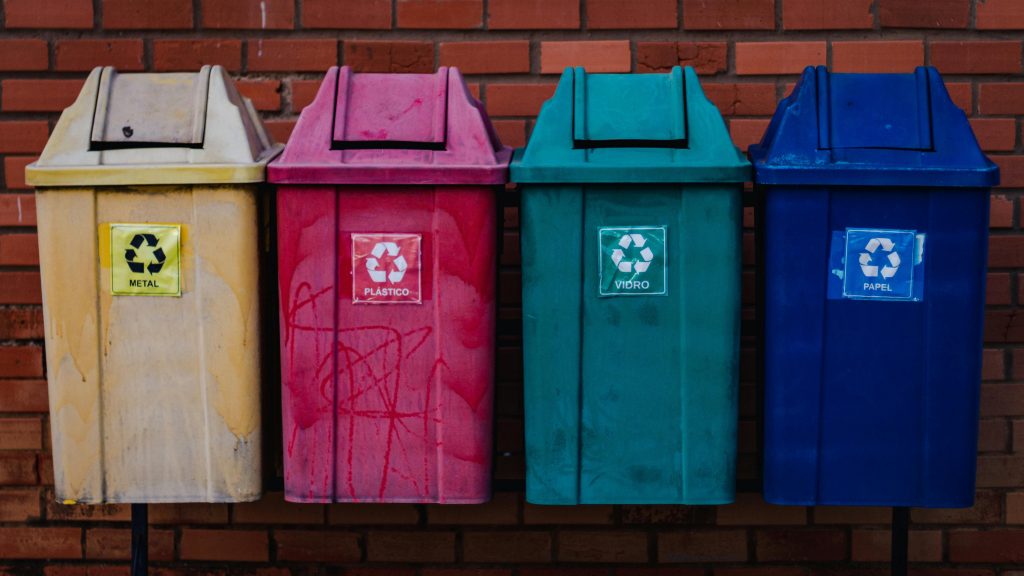
Most of the time, professionals advise you to not overthink your recycling. Ideally, containers should be completely empty, and you should divide your paper, plastic, glass, and so on if you can. If you aren’t sure about something, best to leave it out of the recycling unless your town specifically says it’s okay. This makes things easier and gives you cleaner recycling.
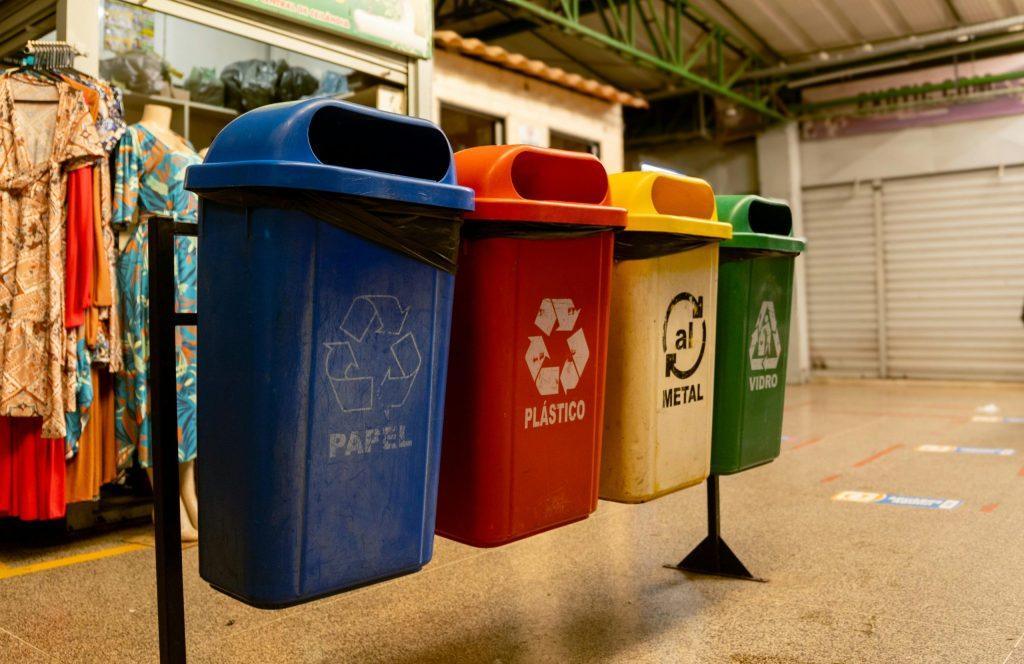
And for people at home, having your bins in an obvious place and maybe a little sign to help you remember things can be a great help. In the kitchen, a straightforward way of sorting your recycling is likely to work better than something complicated which people will eventually ignore.
Why recycling contamination affects the larger system
Recycling goes most smoothly when everyone involved – your family, the people who pick up your recycling, and the plants that sort it all – all work together. If a lot of things that aren’t recyclable get mixed in (that’s contamination), the whole process of collecting, separating, and actually using the recycled material is slowed down.
Because of this, how carefully you recycle at home really is important. By being more thoughtful about what you put in the bin, you can make the entire waste management system work better and make it far more likely that materials will be successfully recycled throughout the process.
Frequently Asked Questions
Q: What is recycling contamination?
A: It is the presence of wrong, dirty, or mixed materials in the recycling stream that lowers sorting quality.
Q: Why is food residue a problem in recycling?
A: Food residue can damage nearby paper or cardboard and lower the quality of the collected material.
Q: Does the recycling symbol guarantee acceptance?
A: No. A recycling symbol may describe material type, but local programs still decide what they can process.
Q: How can households reduce recycling contamination?
A: They can empty containers, follow local rules, avoid doubtful items, and keep sorting systems simple.
Key Takeaway
When people put the wrong things in recycling bins, it makes both the recycling process and the materials themselves lower in quality. Professionals who know about recycling say it’s much better to sort carefully, get into easy routines, and really find out what your town accepts, instead of just assuming something can be recycled. Generally speaking, the purer your recyclables are at your place, the more effective recycling is overall. And if you understand what causes contamination, you’ll be able to recycle correctly, throwing away less.