

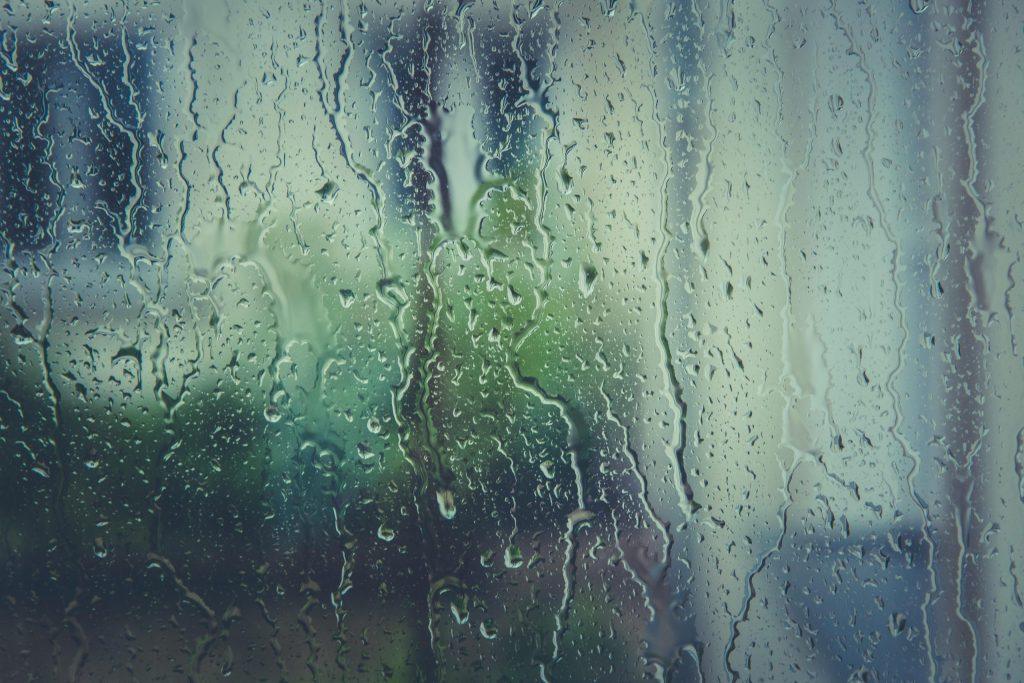
A lot of times people underestimate how much a really heavy downpour throws things off, and it’s not simply about being drenched or having to do something else. If a lot of rain falls very quickly, roads will flood surprisingly rapidly, existing drains can’t cope, and people have to alter how they get around, what they do outside, and what they do at home with very short notice.
What’s more, people who study weather, city development and water systems all point out that these short bursts of very intense rain are what cause most of our daily weather headaches now, not a long, slow, all day rain. That’s because a quick storm causes more problems in reality than a long, gentle one – the water comes down too fast for roads, drains, and the ground itself to deal with.
Why sudden heavy rain feels more disruptive in daily life
We’re all quite accustomed to rain that slowly gets going and continues for some time during the day. But when it rains incredibly hard and starts all of a sudden, it’s a different experience as the whole situation shifts in a hurry. A dry street will fill with water in just moments, cars will be forced to go slower, you can’t see as far, and getting around outside – something you were doing easily – gets much harder with barely any warning.
Meteorologists commonly point out that how much trouble the rain causes is as much about how hard it’s raining as how much total rain falls. A ten minute downpour can really mess up a neighborhood in a more obvious way than a light rain that goes on for hours. That’s because the water doesn’t have enough time to be absorbed by the earth or flow through the drains at a rate they can handle.
How intense rainfall creates runoff and flooding risk
Intense rainfall becomes a problem when more water falls than the land or drainage system can handle in that moment. Soil can only absorb water so quickly. Roads, rooftops, sidewalks, and parking areas absorb even less, which means more water runs across the surface instead of sinking into the ground.
Water management specialists often explain that runoff and flooding risk increase when rain falls faster than drains, channels, or low-lying land can carry it away. This does not always lead to major flooding, but it often creates short-term pooling, fast runoff, and pressure on local streets and public spaces.
That is why sudden heavy rain matters even in areas that do not think of themselves as flood-prone. The issue is often speed rather than total water alone.
Credit: Pixabay / Pexels
Why homes and neighborhoods struggle with sudden heavy rain
Homes and neighborhoods are often built around expected weather patterns. Gutters, drains, road slopes, yard grading, and local infrastructure all assume a certain level of rainfall over a certain amount of time. When sudden heavy rain exceeds that expectation, weak points show up quickly.
Urban planners often note that dense neighborhoods with more pavement can face sharper runoff problems because water has fewer places to go. Even homes with no major flooding history may still experience overflowing gutters, soggy yards, water near entrances, or temporary access problems after a short burst of rain.
This makes sudden heavy rain a daily-life issue as much as an infrastructure issue. It affects how neighborhoods function during routine travel, school runs, deliveries, and outdoor errands.
How sudden heavy rain affects travel and public safety
When it rains, travel is usually what suffers first. Driving becomes tricky with water spray making it hard to see, much more traffic, puddles on the road, and you’ll need a lot more space to stop. As for people on foot, pavements can be under water, crossing the road is harder, and bus shelters offer no protection from the water running off the roads. Cyclists have to deal with slick surfaces or the problem of cars not being able to see them.
Experts in public safety say that really heavy rain that comes on suddenly is particularly bad because lots of people are likely to be out and about already when the weather changes. A forecast for rain all day is different, a quick, heavy downpour gets you in the middle of your usual routine and you haven’t had time to get ready.
That’s why even a short shower of rain can cause quite a bit of trouble for a whole area.
Why daily weather disruption now affects household planning
When it rains, travel is usually what suffers first. Driving becomes tricky with water spray making it hard to see, much more traffic, puddles on the road, and you’ll need a lot more space to stop. As for people on foot, pavements can be under water, crossing the road is harder, and bus shelters offer no protection from the water running off the roads. Cyclists have to deal with slick surfaces or the problem of cars not being able to see them.
Experts in public safety say that really heavy rain that comes on suddenly is particularly bad because lots of people are likely to be out and about already when the weather changes. A forecast for rain all day is different, a quick, heavy downpour gets you in the middle of your usual routine and you haven’t had time to get ready.
That’s why even a short shower of rain can cause quite a bit of trouble for a whole area.

Credit: Pixabay / Pexels
What experts say households should pay attention to
When there’s a really heavy downpour for a short time, professionals say to watch what happens with the water on your property. Gutters coming over the sides, drains being clogged, water collecting by doors, and water quickly flowing from driveways or the roof are all indicators of weaknesses in your home’s defenses. In fact, little repairs are much more important in a sudden, heavy rain than in a gentle one.
People who work with water and buildings also suggest thinking about when the storm is coming. Get outdoor things inside beforehand, look at the local weather forecast more carefully when the weather is changing a lot, and don’t drive unless you have to during the worst of the rain – all of this will make things less chaotic. These aren’t difficult things to do, but they’re most effective if you do them as part of your usual preparation before a storm.
Many places will likely have to live with sudden, heavy rain being a regular thing. And the better families understand how water flows and where flooding could happen, the simpler it will be to make sensible changes and not be in a panic at the last minute.
Frequently Asked Questions
Q: Why is sudden heavy rain more disruptive than light rain?
A: Sudden heavy rain delivers water too quickly for drains, roads, and soil to manage easily, which creates faster runoff and more immediate disruption.
Q: Can sudden heavy rain cause flooding even without a long storm?
A: Yes. Experts often explain that short intense rainfall can create pooling and local flooding when water arrives faster than systems can handle it.
Q: Why do roads flood so quickly during intense rainfall?
A: Roads and nearby paved surfaces do not absorb much water, so runoff moves fast and can overwhelm curbs, drains, and low points.
Q: What should households watch for during sudden heavy rain?
A: Overflowing gutters, blocked drains, pooling near entrances, and unsafe road or sidewalk conditions are common warning signs.
Key Takeaway
Sudden heavy rain disrupts daily life because intense rainfall creates runoff and flooding risk faster than homes, roads, and drains can always manage. Experts often explain that the speed of rainfall now matters as much as the total amount when it comes to daily weather disruption. This affects travel, neighborhood safety, and routine household planning. Understanding sudden heavy rain helps households respond more calmly and prepare more effectively when short intense storms develop.