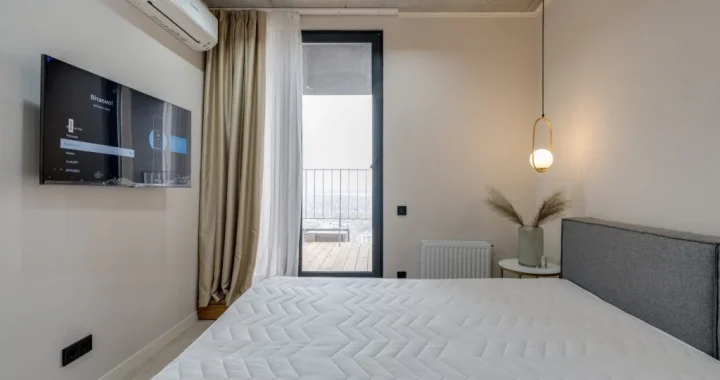

You’ll definitely feel the difference in your house when it’s hot if you have good things at your windows, as windows are where most of the sun and heat come in. Rooms get warm quickly with lots of sun on the glass for a long time and this makes your air conditioner work harder and means you aren’t as comfortable all day.
Lots of people who know about houses, energy saving at home, and making the inside of your house nice (building advisors, home efficiency specialists, indoor comfort researchers) say that dealing with the sun is one of the easiest ways to keep a house cool. Improved window coverings don’t do the job of insulation or letting air circulate, but they do lower the amount of heat that gets into a room and then makes the whole room warm.
Why better window coverings matter in warm weather
Most of us generally see windows as a way to get light and air into our homes. But they’re also a big factor in how much heat gets inside. On sunny days, lots of heat can come into rooms through the glass, and that’s particularly true for rooms which get the sun straight at them in the afternoon. That’s why some rooms in a house can get much hotter than others.
Efficiency specialists say good window coverings are important because they stop this happening from the start. Rather than letting the room get hot and then having to use air conditioning to cool it, they lessen the amount of direct sun that gets in.
This is particularly beneficial during lengthy, hot spells when rooms don’t have a lot of opportunity to cool down overnight. Lowering the amount of heat coming in early on will make the temperature for the entire day a lot easier to handle.
How better window coverings reduce indoor heat buildup
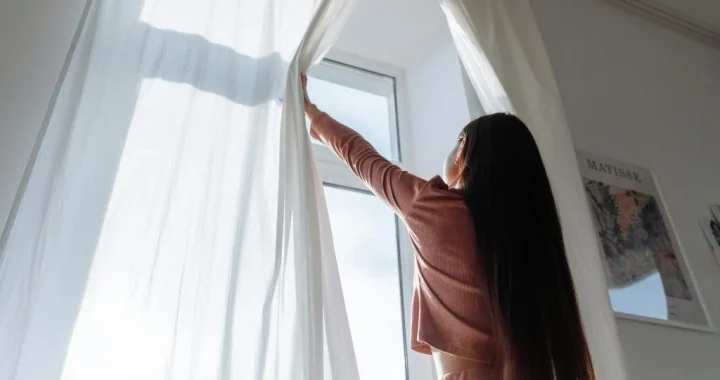
Better window coverings work by blocking, diffusing, or reflecting some of the sunlight that would otherwise pass through the glass and warm indoor surfaces. Curtains, blinds, shades, and layered coverings can all help, especially when they are used at the right time of day rather than only after a room already feels hot.
Indoor comfort specialists often point out that sunlight does not only warm the air. It also heats floors, furniture, walls, and fabrics. Those surfaces can then continue releasing warmth even after the strongest sunlight has passed. Better window coverings help reduce indoor heat buildup by limiting how much of that heating begins.
This is why timing matters. Closing window coverings before strong sunlight enters is often more effective than closing them after the room has already absorbed the heat.
Credit: Pixabay / Pexels
Why lower household energy use often begins with sunlight control
Using less energy in your home is frequently about stopping the heat building up in the first place, not just getting better cooling equipment. If a room doesn’t get as warm from the sun, you won’t need to use fans or air conditioning so much, or start them as early in the day. This in turn lowers the amount of energy your house as a whole needs.
Energy experts frequently point out that better blinds or curtains are about reducing energy use. They won’t actually make a room cold, but they slow down how quickly a room gets hot. Over a period of time, this can mean your household uses less energy, and is particularly helpful in rooms which get sun for a long time.
Because of this, easy ways of providing shade are often part of advice on making a home more energy efficient. They deal with the heat in a simple, natural way before your heating and cooling systems have to kick in.
Which rooms benefit most from better window coverings
Rooms that have big windows, face west or south, and don’t get a lot of shade from trees or other things are the ones that will likely gain the biggest benefit from improvement. During the hottest hours of the day, bedrooms, living rooms, and rooms on the upper levels of a house can all get much warmer with the sun shining directly through the windows. Sometimes, just one wall of a room with windows is enough to make the whole room’s temperature uncomfortable.
Experts who know about buildings usually suggest tackling the hottest rooms in your house first, instead of trying to fix everything all at once. One room that gets a lot of sun can actually cause you to use a lot more air conditioning than multiple rooms that are already fairly cool. And, improved blinds or curtains for that window can lessen the difference in temperature.
Bedrooms are particularly important to address because being too warm inside can make it harder to sleep well on a warm night. Controlling the sunlight during the day will likely mean the room will remain more pleasant in the evening.
How window coverings work with other home cooling habits
To get the most from good window coverings for cooling, it’s best to use them along with a few other sensible cooling approaches. Getting air circulating, shade from plants outside, and doing things that make heat at smarter times will all contribute to a home that’s cooler. In fact, by doing all of these things at once, you lessen the load on your air conditioner when it’s really hot.
Experts in making homes efficient will tell you that one fix won’t magically solve all your problems. However, window coverings are handy – they’re simple to change and have a direct effect on the biggest way heat gets into your house. They’re great with fans, open windows when it’s cooler (like at night or in the early morning), and using fewer appliances when the heat is strongest.

Credit: Vecislavas Popa / Pexels
What experts recommend when choosing better window coverings
Experts usually recommend focusing on function first. The best choice depends on how much direct sun a room receives, how much daylight a household still wants, and how easily the covering can become part of a normal routine. A covering that works well but is rarely used may not help much in practice.
Indoor environment experts often suggest considering ease of use, layering, and timing. Some households may benefit from light-blocking shades, while others may prefer curtains that soften light while still reducing heat. What matters most is whether the system helps reduce indoor heat buildup during the hours when the room is most exposed.
Better window coverings do not need to look dramatic to be effective. In many homes, a simple and repeatable shading routine is what creates the most reliable comfort.
Frequently Asked Questions
Q: Why do better window coverings help homes stay cooler?
A: They help block or reduce direct sunlight, which lowers indoor heat buildup and helps rooms warm more slowly.
Q: Can better window coverings reduce energy use?
A: Yes. Experts often explain that they can support lower household energy use by reducing the need for extra cooling.
Q: Which rooms need better window coverings most?
A: Rooms with large sun-facing windows, strong afternoon light, or repeated overheating often benefit the most.
Q: Are window coverings enough on their own?
A: They help a great deal, but they usually work best when combined with ventilation, airflow, and other home cooling habits.
Key Takeaway
Better window coverings help homes stay cooler by reducing indoor heat buildup before direct sunlight can warm floors, furniture, and walls. Experts often explain that this supports lower household energy use and makes home cooling habits more effective during warm weather. Their value is strongest when used at the right time in the rooms that receive the most sun. Understanding better window coverings helps households improve comfort through simple, practical changes.