
When rivers flow into the sea, they form estuaries, which are where fresh and saltwater blend and are always changing. They might look peaceful from far away, but biologists who study the sea and wetlands frequently say estuaries are among the most fruitful environments on Earth. They’re good for wildlife, improve how clean the water is, and are a real link between what happens on land and in the ocean.
Many marine ecologists, wetland scientists and coastal zone managers point out estuaries are important because they’re in between spaces. The water isn’t rushing as quickly, dirt and debris fall to the bottom, nourishment for plant life is distributed, and a lot of creatures find both food and a safe place to live. What happens in an estuary doesn’t just affect the water’s edge, either; a thriving estuary can impact how many fish there are, where birds live, and how well the nearby coast can bounce back from storms.
Why estuaries matter in coastal ecosystems
Estuaries are important because they’re where rivers and the ocean actually come together. This position gives them a really specific job to do in the whole coastal ecosystem. Rivers heading to the ocean are bringing down dirt and food for lots of things, and the ocean’s tides are bringing in salty water and a lot of movement along the shore. All of this coming together is where complicated living areas start to be created.
Scientists who study the coast frequently say that this combination of things makes the conditions that many animals and plants need to live. Mudflats, the edges of marshes, shallow streams, and grassy wetlands are all found in estuaries. And each of these places is home to different living things, and between them, they all build a larger, connected coastal area.
Because of all this, estuaries are frequently described as ‘foundation’ environments. They don’t just sit within an existing landscape, they actually change what’s around them.
How estuaries support wildlife through nursery habitat
Many species use estuaries during important stages of life. Fish, shellfish, birds, and small marine organisms often rely on sheltered water and rich food supply in these areas. Because estuaries tend to be shallower and more protected than open coastal waters, they can provide useful nursery habitat for wildlife.
Wildlife biologists often note that young animals benefit from places where they can feed and grow with less exposure to strong waves or large predators. Estuaries help create that type of environment. Some species stay in estuaries longer, while others use them only briefly before moving into rivers, coastal waters, or the open sea.
This makes estuaries important beyond their own boundaries. The health of these habitats can influence species that later move into other ecosystems.

Credit: Pixabay / Pexels
Why estuaries help support water quality
Estuaries are really good at helping to keep water clean. When rivers flow into these areas, the water slows down. This allows dirt and bits of stuff floating in the water to sink to the bottom, and therefore doesn’t all rush into the ocean. Plants and the soft, muddy ground within an estuary also change how the water flows and what gets kept inside.
Scientists who study water quality generally say an estuary isn’t a perfect purifier for every single issue. However, a healthy estuary that is connected to the sea can reduce the speed of, catch, and deal with all the things being carried through it. This makes things better for the living areas close by.
Because of this, estuaries are both safeguarding and generating life. They are a way to manage where water from land meets the sea, and in doing so, they help to maintain the wider health of the coast.
How estuaries contribute to coastal balance
Coastal balance depends on the movement of water, sediment, plant growth, and animal activity across connected habitats. Estuaries help maintain that balance by creating transition spaces where these forces interact more gradually. They can reduce the speed of water movement, shape mud and sand deposition, and support plant communities that stabilize wet ground.
Coastal planners often explain that this matters for resilience. A coastline with healthy transition habitats is often better able to absorb change than one where water moves quickly across bare or heavily altered land. Estuaries help create flexibility in the landscape.
This does not mean they prevent all erosion or storm impact. It means they support the natural structure that helps coastal systems remain more stable over time.
Why estuaries are closely linked to birds and migrating species
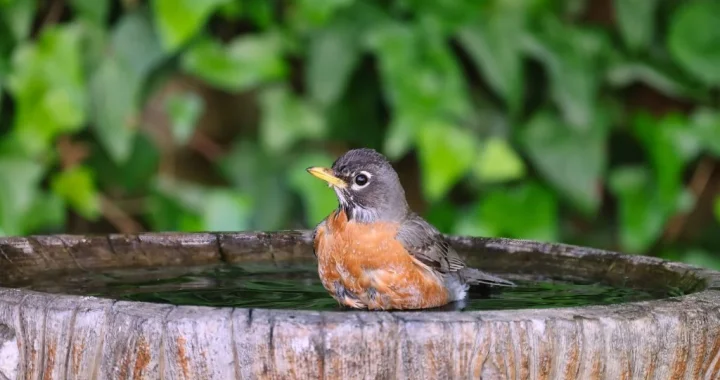
Lots of birds use estuaries to eat and rest. This is because of the muddy areas exposed at low tide, the not very deep water, and the small fish and little creatures that live there. Birds travelling long distances on migration will land in these estuarine areas for a break, and birds that live there all the time use them throughout the entire year.
Scientists who study animals in the wild are quick to say estuaries are important. They’re packed with food, and the depth of the water and shape of the coast are always changing with the tides. Many different birds have learned to benefit from this continually changing landscape.
If estuaries get damaged or smaller, the chances for birds to feed and rest will likely decrease. This could impact where animals go, even further from the immediate coast.
Credit: Jeremy Bishop / Pexels
What threatens estuaries over time
Estuaries can be damaged by pollution, land clearing, dredging, shoreline construction, and changes to how water moves from rivers to the sea. Because these habitats depend on balanced mixing and healthy surrounding land, even small repeated disturbances can have larger effects over time.
Marine and wetland experts often explain that estuaries are sensitive to both upstream and downstream pressure. A problem far inland can affect the water entering the estuary, while coastal development can change how tides and shoreline processes shape the habitat itself.
This makes estuary protection a connected issue rather than a single-site issue. Healthy estuaries depend on wider landscape care as well as local habitat protection.
What experts recommend for estuary protection
To really look after estuaries, specialists typically suggest we plan how we use the land more carefully, look after our wetland areas, manage dirty water flowing into them more cleanly, and make sure people understand how freshwater and the sea are linked. Because estuaries thrive on everything being in proportion, looking after the water going into them and the edges of the estuary is often the most effective approach.
Ecologists who study the coast often point out that bringing an estuary back to health is most successful when you think about the water’s movement, the mud and sand, the plants, and the form of the land all at the same time. An estuary won’t remain in good health if you only protect one piece of it while everything else gets worse.
Estuaries are important because they’re where animals, the purity of the water, and the stability of the coast all come together.
Frequently Asked Questions
Q: What are estuaries?
A: Estuaries are coastal areas where freshwater from rivers mixes with saltwater from the sea.
Q: Why are estuaries important for wildlife?
A: They provide sheltered habitat, rich food sources, and nursery areas for many fish, birds, and other species.
Q: Do estuaries help water quality?
A: Experts often explain that estuaries can help slow water, settle sediment, and support natural processes that improve coastal water conditions.
Q: What threatens estuaries most?
A: Pollution, land clearing, dredging, altered water flow, and shoreline development are common threats.
Key Takeaway
Estuaries matter because they support wildlife, help maintain water quality, and strengthen coastal balance where rivers meet the sea. Experts often describe them as vital transition habitats that connect freshwater systems, shoreline ecosystems, and marine life. Their value comes from sheltering species while helping shape healthier coastal conditions. Understanding estuaries helps show how much coastal resilience depends on these quiet but highly productive environments.