
Heat stored in driveways can make nearby homes feel warmer after sunset because paved surfaces often absorb strong sunlight through the day and release that warmth slowly later on. Many people expect outdoor comfort to improve quickly once the sun drops, but hard surfaces around the home may keep sending heat back into the surrounding air for hours.
Climate researchers, building specialists, and neighborhood heat experts often explain that evening comfort depends on more than the day’s high temperature. Residential surface heat from driveways, walkways, walls, and nearby paving can continue affecting the air around doors, windows, and front rooms long after direct sunlight has faded.
Why heat stored in driveways matters around homes
Driveways may look like simple functional parts of a property, but they often behave like heat collectors in warm weather. During sunny hours, the paved surface can absorb a large amount of solar energy. Later, that stored warmth does not disappear right away. It stays in the material and gradually moves back into the air around it.
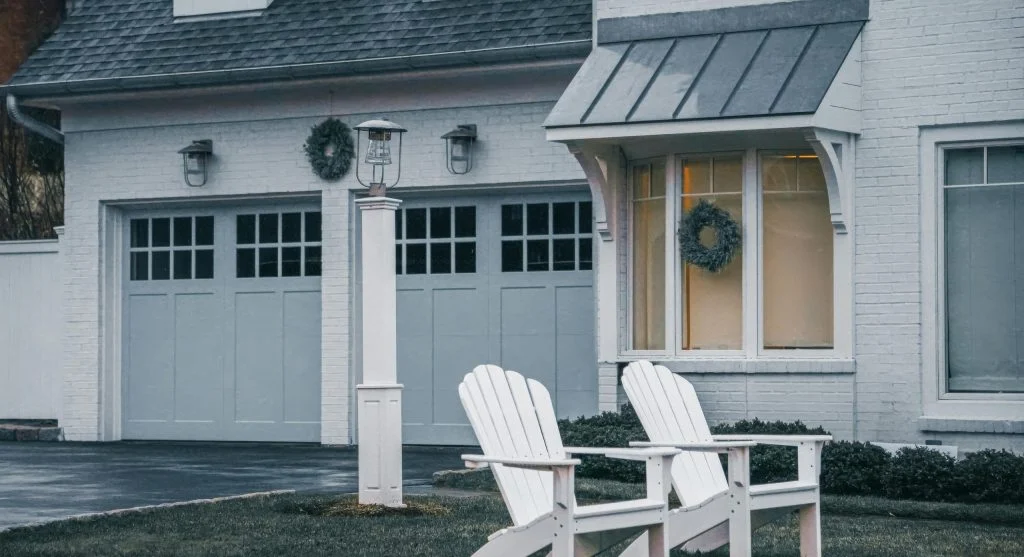
Building advisers often explain that heat stored in driveways matters because these surfaces are usually located very close to the home itself. They sit near entry doors, front windows, garages, and walkways where people move through daily life. As a result, the heat they release can influence how the front of the house feels during the evening.
This is one reason people sometimes notice that the area around the entrance still feels warm after sunset even when the direct sun is gone. The surface itself is still part of the heat problem.
How heat stored in driveways affects evening home comfort
Heat stored in driveways affects evening home comfort by warming the air immediately around the house. If the driveway sits close to windows or exterior walls, some of that released warmth may keep nearby outdoor areas from cooling as quickly as expected. This can matter when people open windows, step outside, or hope the front side of the home will begin feeling fresher after sunset.
Indoor comfort researchers often note that homes rely on evening cooling to recover from daytime heat. If the surfaces around the house continue releasing warmth, that recovery may feel weaker, especially in rooms near the driveway or in homes with limited shade. The result may not always be dramatic, but it is often noticeable across repeated hot days.
This is why heat stored in driveways often shapes comfort in subtle but practical ways. It changes the conditions just outside the home, which can affect how the home itself feels later.
Why paved surfaces stay warm longer than grass or soil
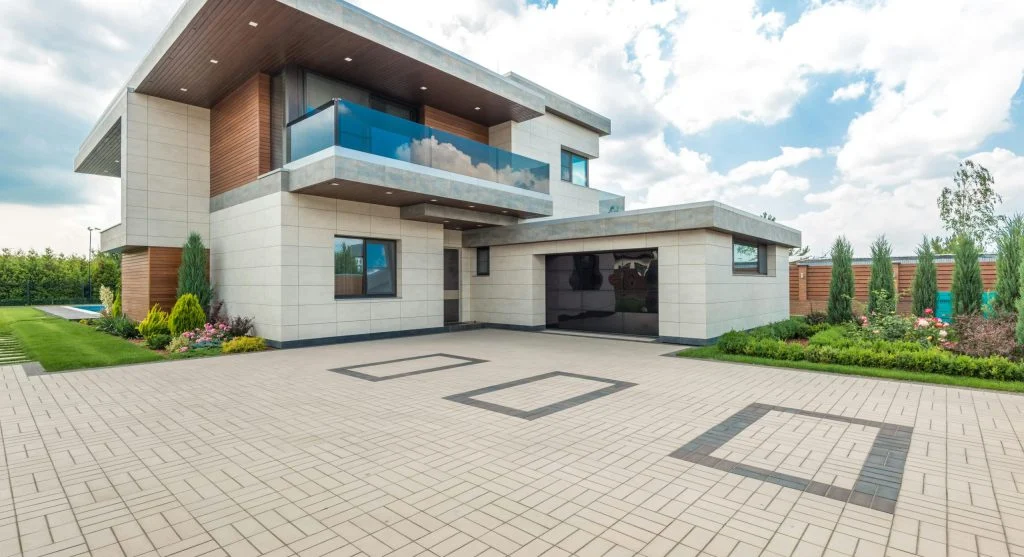
Paved surfaces usually stay warm longer because they absorb, hold, and release heat differently than planted ground. Grass and soil often respond to sunlight in a more balanced way, especially when they are shaded or hold moisture. Driveways, on the other hand, are dense and exposed, which makes them more likely to build and retain daytime heat.
Urban heat specialists often explain that this is why residential surface heat can vary so much across one property. A shaded patch of yard may cool relatively quickly, while a driveway or front path nearby still feels warm to the touch and warms the air above it. The difference is often most noticeable in the evening.
This helps explain why some parts of the home exterior feel harder to recover after hot days. The material underfoot is still giving off stored heat.
How driveway heat can affect windows, entries, and nearby rooms
When a driveway sits directly in front of major windows or beside the main entrance, the warmth it releases can affect those zones more than expected. Air near the front wall may stay warmer. The area around the door may feel less comfortable. Front-facing rooms may also lose some of the outdoor cooling benefit people hope to gain later in the day.
Building experts often explain that the effect depends on layout, shade, and airflow. A shaded driveway with nearby trees may cool better than a wide exposed driveway surrounded by little greenery. Still, where paving is large and sun exposure is strong, the front of the home may feel warmer after sunset because the hard surface is still slowly releasing daytime heat.
This is one reason the hottest part of a property is not always the roof or backyard. In some homes, the driveway becomes one of the strongest evening heat sources near the main living area.
Why heat stored in driveways feels worse after repeated hot days
After one warm day, driveway heat may be noticeable but manageable. After several hot days in a row, the effect often feels stronger because the home and its surroundings have less time to cool fully between one day and the next. The driveway heats again, nearby walls warm again, and evening recovery becomes weaker.
Climate researchers often explain that repeated hot weather changes how people experience ordinary residential spaces. A front step that felt warm yesterday may feel hotter and linger longer today because the whole area is starting from a warmer baseline. This can make evening outdoor time and front-room comfort feel more limited over time.
That is why heat stored in driveways often becomes more obvious during longer warm periods. The heat is no longer just daily. It becomes cumulative.
What experts recommend households notice first
Experts usually recommend observing which exterior areas still feel warm after sunset. If the driveway remains hot to the touch, if the front step feels warmer than the backyard, or if the front windows seem to face heavy late-day warmth, those are useful clues. They often show where residential surface heat is affecting evening comfort most clearly.
Landscape and building advisers also suggest comparing paved and planted areas around the home. A shaded yard section may feel calmer and cooler at the same hour that the driveway still radiates warmth. These comparisons help households understand that not all parts of the property recover from heat at the same rate.
This kind of observation often explains why one side of the house feels harder to cool than another. The surrounding surfaces are behaving differently even under the same weather conditions.
Why this is a practical home climate issue
Heat stored in driveways matters because it affects how homes feel during the part of the day when people expect relief. Evening comfort is important for walking outside, opening windows, cooling entry spaces, and helping the home recover before night. If nearby paving keeps releasing warmth, those benefits may be weaker than expected.
Climate and housing experts often explain that residential comfort is shaped by the surfaces around the building as well as the building itself. Driveways, paved front yards, and exposed walkways can all influence how the home interacts with summer heat. This makes them part of the broader climate experience of everyday living, not just part of the property layout.
Understanding heat stored in driveways helps show why warm evenings often feel harder around the home than people expect. The heat is not only in the air. It is still in the ground and the surfaces nearby.
Frequently Asked Questions
Q: Why does a driveway stay warm after sunset?
A: A driveway stays warm because paved surfaces absorb sunlight during the day and release that stored heat slowly later on.
Q: Can heat stored in driveways affect a nearby house?
A: Yes. Experts often explain that the air around entry areas, windows, and nearby walls may stay warmer because of the heat released by the pavement.
Q: Why does grass cool faster than a driveway?
A: Grass and soil usually handle sunlight and moisture differently, while paved surfaces tend to absorb and hold more heat for longer.
Q: When is driveway heat most noticeable?
A: It is often most noticeable in the evening, especially after hot sunny days or several warm days in a row.
Key Takeaway
Heat stored in driveways can make nearby homes feel warmer after sunset because paved surfaces continue releasing daytime warmth into the evening. Experts often explain that this residential surface heat affects entry areas, front windows, and overall evening home comfort more than many people realize. The effect becomes more noticeable during repeated hot weather. Understanding heat stored in driveways helps explain why some homes feel slower to cool even after the sun goes down.