
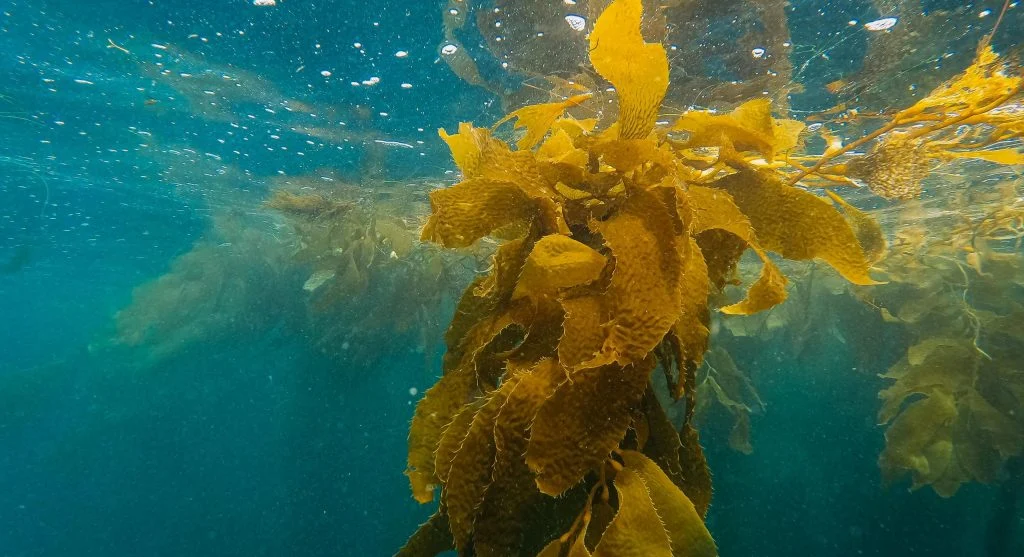
Kelp forests are among the most important underwater habitats along many rocky coasts because they create shelter, food, and structure for a wide range of marine species. These large brown algae grow quickly in cool, nutrient-rich waters and can form dense underwater canopies that shape how coastal ecosystems function from the seafloor to the surface.
Marine ecologists, fisheries researchers, and coastal conservation specialists often explain that kelp forests matter because they support marine life habitat, influence local water conditions, and help keep coastal systems productive. What may look like drifting sea plants from above often functions more like an underwater forest with many layers of life.
Why kelp forests matter in coastal ecosystems
Kelp forests matter because they add vertical structure to coastal water where open rocky habitat might otherwise offer far less shelter. Their stems, blades, and holdfasts create many small spaces for fish, invertebrates, and other marine organisms to live, feed, and hide. This changes how the whole coastal zone operates.
Marine habitat specialists often explain that structured environments usually support more life than bare ones. In the case of kelp forests, the dense growth helps create a layered ecosystem where different species use different levels of the habitat. Some shelter near the bottom, while others move through the midwater or feed around the canopy.
This is one reason kelp forests are often called foundation habitats. Their presence helps make many other forms of coastal life possible.
How kelp forests support marine life habitat
Many species depend on kelp forests for shelter and feeding. Young fish may use the dense underwater growth as a safer place to avoid predators. Sea stars, crabs, snails, sea urchins, and many smaller organisms may live directly on or around the kelp and the rocky surfaces below it. Birds and marine mammals may also benefit indirectly through the food web.
Wildlife biologists often note that kelp forests are especially important because they support life at several stages. A species may use kelp as juvenile shelter, later return to hunt there, or depend on species that live within the kelp habitat. This creates a strong ecological network built around one living marine structure.
That is why damage to kelp forests can affect more than one species at a time. When the habitat weakens, the wider coastal system often feels that loss.
Why kelp forests help support coastal balance
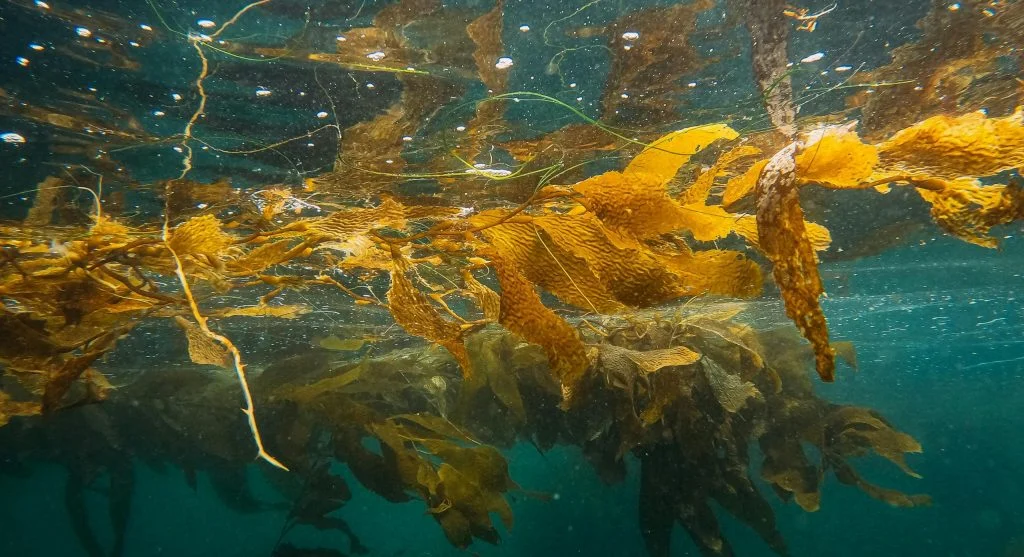
Coastal balance depends on many connected systems working together, and kelp forests often play a stabilizing role in nearshore environments. Dense kelp growth can help reduce wave energy near the surface and influence how water moves along the shoreline. This does not stop all strong wave action, but it can shape local coastal conditions in meaningful ways.
Coastal researchers often explain that kelp forests matter because they are part of a wider marine balance involving rocky reefs, currents, nutrients, predators, and grazers. When kelp is healthy, it can support a more complex and resilient shoreline ecosystem. When kelp declines, those connections may weaken and the balance of species can change quickly.
This is one reason kelp forests are often discussed in connection with coastal resilience. They help hold ecological relationships together near the shore.
How kelp forests relate to cleaner water
Cleaner water is supported in part by healthy underwater habitats that influence how nutrients and particles move through marine systems. Kelp forests can help absorb nutrients from the surrounding water as they grow, and their presence can support more balanced ecological processes in coastal areas.
Water researchers often explain that kelp forests do not function like mechanical filters, but they still contribute to healthier water conditions by supporting productive and stable ecosystems. In areas where underwater habitats are strong, the coastal environment often handles biological activity more effectively than places where habitat has been stripped away.
This means kelp forests are linked to cleaner water through ecological health. Their contribution is part of a living system rather than one isolated process.
Why kelp forests depend on ecological balance too
Kelp forests do not thrive on their own. They depend on the balance between growth, grazing, water quality, and temperature. If too many grazers consume young kelp, or if marine heat and weak nutrient supply reduce growth, the forest can shrink quickly. In some places, this can leave rocky seafloor far more open and far less productive.
Marine ecologists often point out that predator-prey relationships matter here. Species that help keep grazing pressure in check can indirectly support kelp survival. This shows how tightly connected kelp forests are to the wider food web. The health of the forest depends on the health of the whole system around it.
This is why experts often describe kelp forests as both strong and vulnerable. They are highly productive, but they rely on many conditions staying in balance.
What threatens kelp forests over time
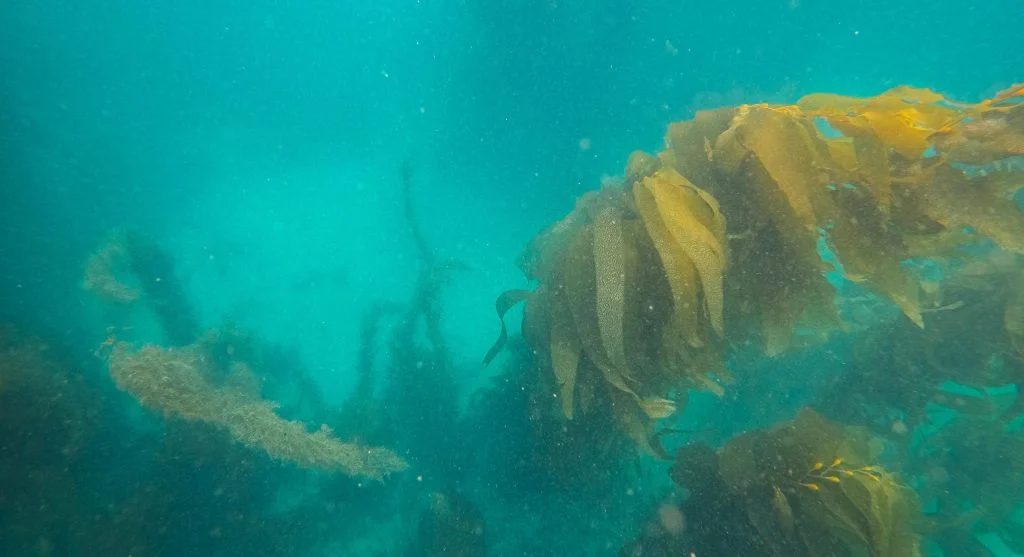
Kelp forests can be harmed by marine heat waves, pollution, weak water quality, overgrazing, and changes in predator populations. Because kelp grows in specific coastal conditions, shifts in temperature and ecological balance can have strong effects in a relatively short time. In some regions, forests have declined after repeated warm-water events or major food web disruption.
Coastal conservation experts often explain that kelp loss matters because the habitat supports so many other forms of life. Once the canopy thins or disappears, the system may become simpler, less sheltered, and less supportive for fish and invertebrates that once depended on it.
This is one reason kelp forests are closely watched in marine monitoring work. Their condition often reveals the health of the broader nearshore ecosystem.
What experts recommend for protecting kelp forests
Experts usually recommend protecting water quality, supporting balanced marine food webs, and reducing local stress where possible so kelp habitats have a better chance to remain healthy. Since kelp forests depend on ecological balance, conservation often focuses on the wider system rather than on the kelp alone.
Marine planners also emphasize that kelp forests should be treated as natural infrastructure for marine life habitat and coastal productivity. Their value is practical as well as ecological. They support fisheries, biodiversity, and healthier nearshore conditions in ways that are difficult to replace once lost.
Kelp forests matter because they create structure, support life, and help coastal ecosystems function more fully. Their importance becomes clearer the more closely people look at how much underwater life depends on them.
Frequently Asked Questions
Q: What are kelp forests?
A: Kelp forests are dense underwater habitats made of large brown algae that grow in cool, nutrient-rich coastal waters.
Q: Why do kelp forests matter for marine life?
A: They provide shelter, feeding areas, and habitat structure for many fish, invertebrates, and other coastal species.
Q: Do kelp forests help support cleaner water?
A: Yes. Experts often explain that they support healthier coastal ecosystems, which can contribute to more balanced and cleaner water conditions.
Q: What threatens kelp forests most?
A: Marine heat, poor water quality, overgrazing, and food web disruption are often major threats to kelp forest health.
Key Takeaway
Kelp forests matter because they support marine life habitat, contribute to coastal balance, and help healthier coastal systems function over time. Experts often explain that these underwater forests provide shelter, structure, and ecological support for many species at once. Their value reaches far beyond the kelp itself into the wider marine environment. Understanding kelp forests helps show why strong coastal ecosystems often depend on healthy underwater habitats just below the surface.