
When we talk about local food, we mean the links between farms, places to buy food, how it gets there, and the people who eat it, all happening in a relatively small area. And this is important: food travels less far when the chain is shorter, meaning it’s fresher, doesn’t get held up as long, and communities are better equipped to deal with problems when the big, national food delivery networks have issues.
People who know a lot about farming, how food gets to us, and looking after the planet frequently say food systems are at their best if they’re both good at getting food to you and flexible. Local food isn’t meant to completely get rid of food being delivered from all over the country or around the world, but it does make the whole food supply more stable and can lower certain types of food loss.
Why local food systems matter in everyday life
We all experience how food gets to us by what it costs, how good it is, and whether we can get it. Food that travels a great distance is in storage, on trucks, and being sorted for a longer period of time before it gets to the shops, and that extended journey increases the possibility of it going bad, being late, or being damaged during all the moving around.
Locally sourced food usually has a much quicker route to us. This shorter trip from the farm to where you buy it can mean some foods are fresher and have had fewer stages in their delivery. People who know about these things frequently say this is particularly beneficial for things like fruit and vegetables, milk products and anything else that deteriorates rapidly.
What’s more, these local ways of getting food mean more of the food ‘business’ stays within the area.
How local food systems support food chain resilience
How well our food gets to us when things go wrong is what we mean by “food chain resilience”. Things like storms, delays with getting food around, problems with fuel, a lack of workers, or a sudden huge increase in how much food people want can all mess with how food is distributed throughout the country. And if a town or city gets all its food the same way, a problem somewhere in that system is likely to cause trouble for everyone fast.
Local food sources can offer an extra level of security. Economists who study farming generally say that having many different ways of getting food makes it easier to get food consistently. If one way of getting food to people is slowed, farmers and shops in the area might be able to provide some of what’s needed.
That doesn’t mean local food can provide everything everyone needs all year round. However, it does make the system more adaptable and stops us being totally reliant on food coming from far away.
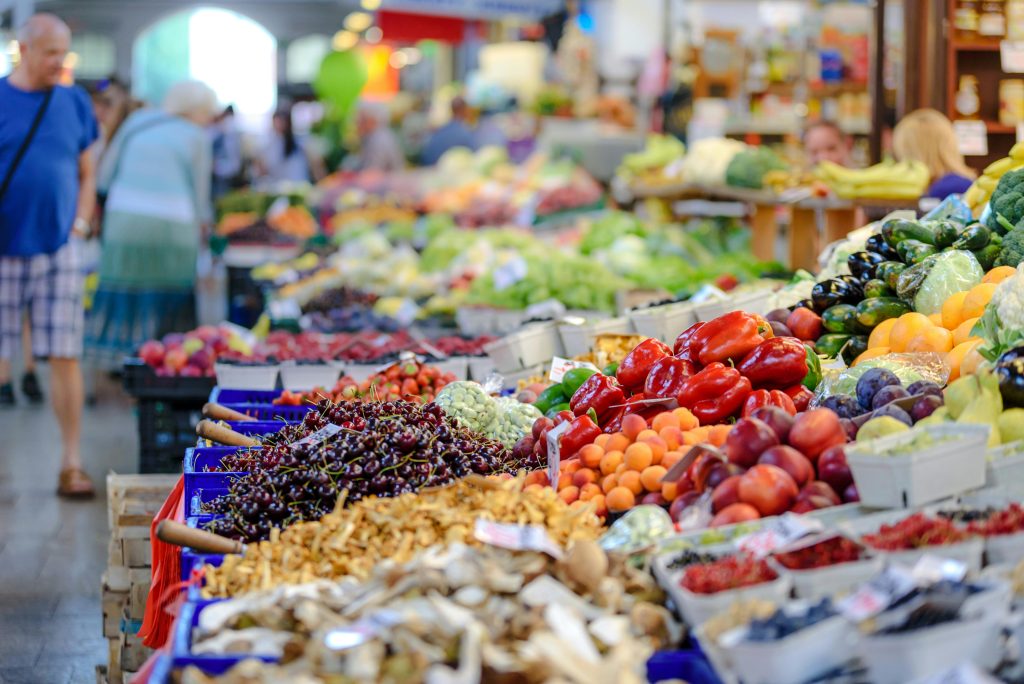
Credit: AS Photography / Pexels
Why shorter supply chains can reduce lower food waste
Experts often bring up local food systems because a lot of food is thrown away. Food gets lost at all sorts of points on its way to your kitchen. Being knocked about in shipping, not being sold quickly enough, and a lot of people touching it all lower how long it lasts.
If food doesn’t go through so many stages to get to you, it’s less likely to go bad by the time you buy it. Those studying how to be more sustainable frequently say that getting food from farm to table quicker is really good for things that bruise easily, like berries, lettuce and herbs.
Plus, local ways of getting food can mean the amount of food grown is much closer to what people actually want to buy. Farmers selling directly to people or to businesses in the local area can change things with how much customers are buying a lot faster. This helps with having too much food and with being able to predict what will be needed.
How local food systems shape seasonal eating habits
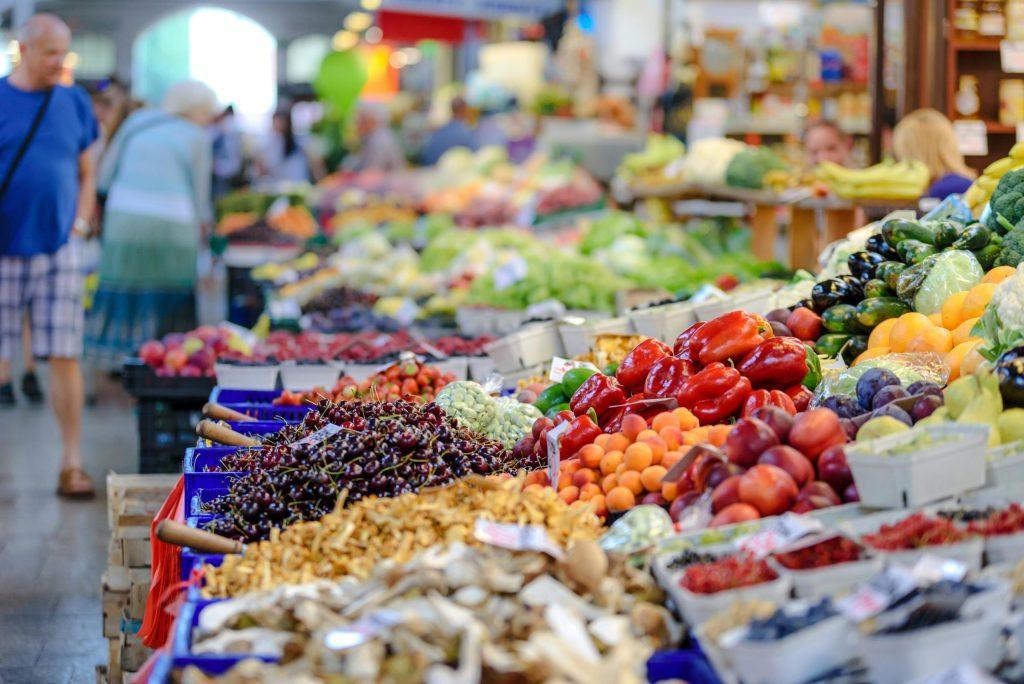
It’s generally simpler to eat with the seasons if you get your food from sources closer to where you live. Farmers’ markets and shops in the area show you much better what’s currently being grown. Instead of only getting food shipped from all over the world throughout the year, you can see what’s plentiful at the moment.
Food experts say this helps families have a more sensible understanding of when things are in season. And as a result, we probably won’t throw away as much food, since we’ll be buying the freshest stuff when it’s at its most available locally.
The way seasons affect food also leads you to plan meals based on what’s likely to be reasonably priced, and of a good quality. This benefits both your spending and making environmentally friendly choices about food.
Limits of local food systems still matter
Getting food from around here is helpful, but it won’t solve all our food problems. What we can grow in a location is limited by the weather, how much suitable land there is, where we can turn crops into food, and the time of year. For some foods, we’ll continue to need to buy from around the country or the world.
When looking at how to make our food supply strong, people who study food policy say we’re generally better off with a mix of options, not being completely on our own. Local food does really well when it’s connected to a larger system with good transportation and places to store food. We aren’t trying to stop food from travelling long distances, but to build a food system that can more easily deal with changes.
Because of this, experts frequently say that local food is just one level in a more complex food supply, not something to just swap in for everything else.
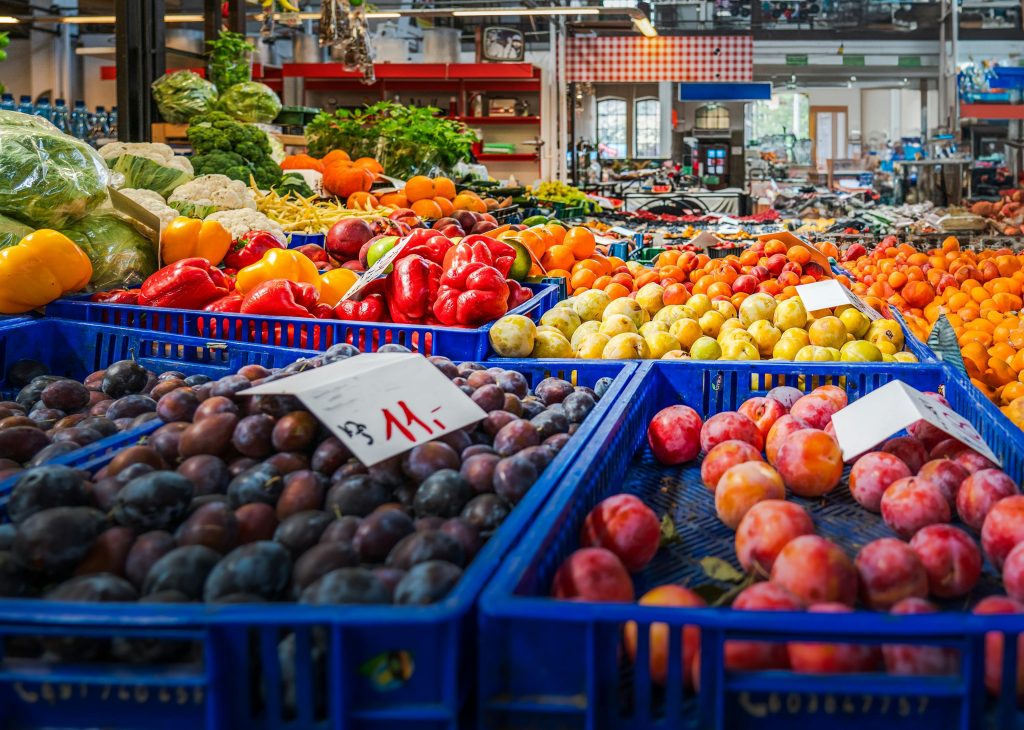
Credit: Greta Hoffman / Pexels
What experts recommend for stronger local food systems
Instead of just thinking about making more food, specialists very often suggest making the way food is handled where it’s grown, stored, and delivered much better. A place might be great at growing something, but the food could still be thrown away or go bad if it doesn’t get around quickly and easily to where people can get it.
Those who plan for agriculture also say food hubs, farmers markets, community supported farms (where you get a share of what’s grown), and improved teamwork between people who grow food and those who buy it are all valuable. They are all ways of getting food from the farm to your table in a more straightforward fashion.
And you as someone who eats? You can begin to help local food systems just by being mindful of things.
Frequently Asked Questions
Q: What are local food systems?
A: Local food systems are food networks in which production, processing, and sales happen closer to the communities that consume the food.
Q: Why do local food systems reduce waste?
A: They can reduce transport time, limit handling steps, and improve freshness for foods that spoil quickly.
Q: Do local food systems replace national supply chains?
A: No. Experts usually describe them as a helpful part of a wider and more resilient food network.
Q: How do local food systems support resilience?
A: They add supply diversity, which can help communities respond better when larger distribution systems face disruption.
Key Takeaway
When we get food from local sources, it’s generally fresher, our food supply is more able to bounce back from problems, and we throw away less of it. Most of the people who know about food systems see local options as a workable piece of a bigger, long-term sustainable food plan, not as something to completely replace the large food networks we have now. Because the food doesn’t travel as far, it’s easier to change plans and less food is lost or damaged whilst on its way to your table. And by looking at how local food works, we can figure out how towns and cities can make food journeys that are both better and more effective.