

Eco-friendly myths can mislead households into making choices that seem sustainable but may not always be effective.
Lots of ideas about being kind to the planet are misleading and make living sustainably seem much harder than it is. A lot of people think you have to be really disciplined or spend a lot of money on a complicated lifestyle to create less trash and be more sustainable. But, in fact, experts in the field usually suggest simple, easy-to-change habits that you can just slot into your normal day.
Environmental teachers, people who work to lessen how much is wasted and those researching sustainability all tend to say that being wrongly informed will hold us back. Believing things that aren’t true can lead us to do things that don’t matter much, or to stop trying altogether if we don’t see quick enough changes.
1. Eco-friendly living must be perfect to matter
Loads of people get this wrong when thinking about being good for the environment. Being sustainable isn’t about doing everything perfectly. Even little things like creating less trash, or finding new uses for things you have, really do help.
In fact, experts will tell you that doing things regularly is much more important than getting them totally right all the time. Families who slowly make changes are the ones who generally keep making them.
2. All reusable products are always better
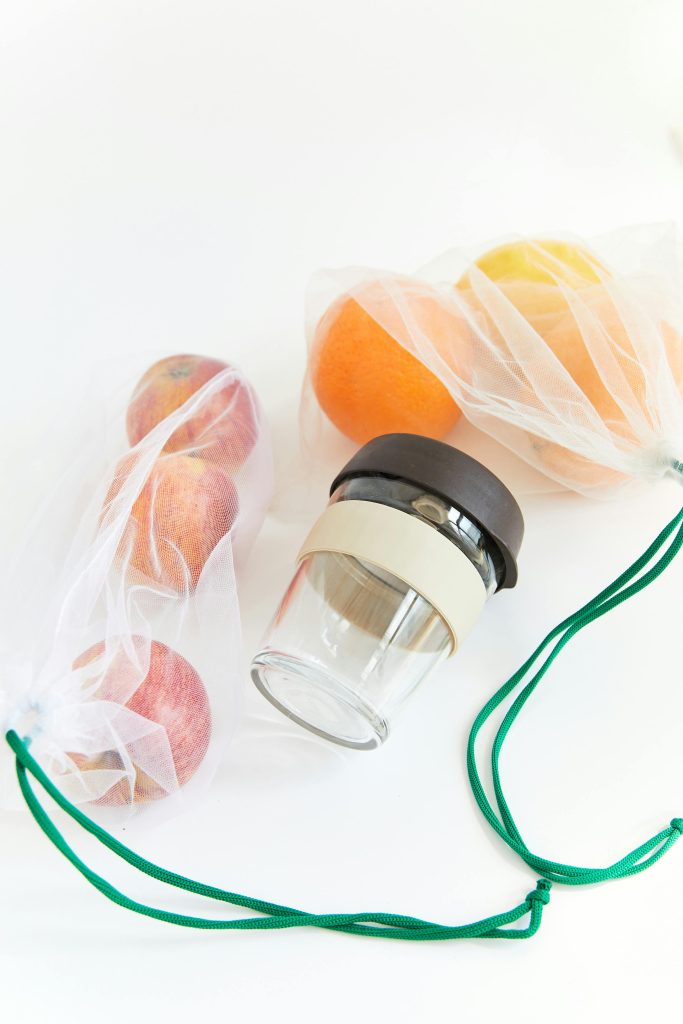
Reusable products can reduce waste, but replacing everything at once is not always the most practical approach. Using existing items until they wear out is often more efficient.
Environmental specialists suggest focusing on long-term use rather than frequent replacement.
Credit: Darina Belonogova / Pexels
3. Recycling solves most waste problems
Recycling does good, yet it’s just one piece of a much bigger picture. Actually decreasing how much we use and finding ways to use things again is usually even more useful, as it stops rubbish from being created in the first place.
And people who know about dealing with trash say recycling is most effective with stuff that’s been cleaned and put in the right container.
4. Sustainable living is always expensive
You’ll probably find that doing things with less waste eventually saves you money. If you don’t shop so often, fix things instead of replacing them, and are more thoughtful with your food, your household will have more cash.
In fact, what’s good for the environment and your bank account are very often the same thing, as people who understand both finances and looking after the planet will tell you.
5. One household cannot make a difference
What one person does might not seem like much, but when lots of people in many homes all do things a little differently, that adds up to a significant shift. Ways of doing things are common to catch on with people who live near each other. And as scientists often point out, these common habits affect things like how goods are made and delivered, and how we get rid of trash.
6. Eco-friendly choices must look a certain way
Social media often presents sustainability as a visually organized lifestyle. In reality, practical systems vary widely between households.
Experts emphasize functionality over appearance. Effective habits do not need to look uniform to be useful.

Credit: Karolina Grabowska / Pexels
7. Natural products are always environmentally better
Not all natural products are automatically sustainable. Production methods, transportation, and lifespan all influence environmental impact.
Experts recommend evaluating the full lifecycle of products rather than relying on labels alone.
8. Composting is too difficult for most households
Composting systems can be simple and flexible. Even small setups can handle basic food scraps effectively.
Waste reduction educators often explain that starting small is the most practical approach.
9. Sustainability requires major lifestyle changes
Many effective habits are small adjustments rather than major shifts. Changes in shopping, storage, and usage patterns can create meaningful improvements.
Experts consistently emphasize that gradual changes are easier to maintain than sudden transformations.
Frequently Asked Questions
Q: What are eco-friendly myths?
A: They are misconceptions that make sustainability seem more difficult or rigid than it actually is.
Q: Why do eco-friendly myths matter?
A: They can discourage people from taking practical steps or lead to ineffective habits.
Q: Can small changes really help sustainability?
A: Yes. Repeated small actions often have a meaningful long-term impact.
Q: Is recycling enough to reduce waste?
A: Recycling helps, but reducing and reusing materials are often more effective.
Key Takeaway
Lots of ideas about being environmentally friendly are actually misleading and make living sustainably seem more complicated than it is. Professionals in the field suggest concentrating on things you can really do as part of your normal day, not trying to be totally perfect. Little adjustments you stick with are usually a lot better than huge, sweeping ones. When you realize what isn’t true about ‘going green’, families can develop sensible habits for a future that actually lasts.