
It’s not immediately apparent why chucking food is a problem. Usually food gets thrown away gradually, with a bit of this from a plate, some overlooked veggies, out-of-date milk, or food you bought without thinking about what you’d actually make. But when you add all that up, it affects how much money you have, how much water we use, how much land is needed for farming, and the overall health of the environment.
When people who study food, those who work on lessening waste, and experts in farming discuss food waste, they’re quick to say it isn’t simply about getting rid of the stuff. It represents all the energy, water, work and moving around of food that happens before it even gets to your kitchen.
Why food waste matters for household budgets
Food waste is a problem for a really basic reason: it’s about how much money you have. That bag of salad you didn’t use, the bread that’s gone hard, or that container at the back of the fridge you forgot about? You’ve spent money on all of them and aren’t getting anything for it.
Financial experts will tell you that it’s easy to overlook little amounts of money disappearing, but if you throw things away every week, it adds up to a large expense over a year. If families actually list what they’re wasting, they generally find that they buy too many vegetables and fruit, make more food than they can eat, or don’t remember what they already have put away.
Why food waste matters for land and water resources
Making food requires land to grow on, water to help it grow, fuel for machinery, somewhere to keep it, and people to work on it. So when we toss food in the bin, a lot of those things are wasted too. Foods that need lots of water to make, particularly fruits, vegetables and things from animals, actually have a much bigger impact on our resources.
Those who know about farming are usually emphatic about the fact that eating food wisely, and not just getting better food, is the first step to being able to continue to have food. If we waste less, we will get more from the land, the water and all the work that goes into growing food, from beginning to end.
Household food waste also adds pressure after disposal
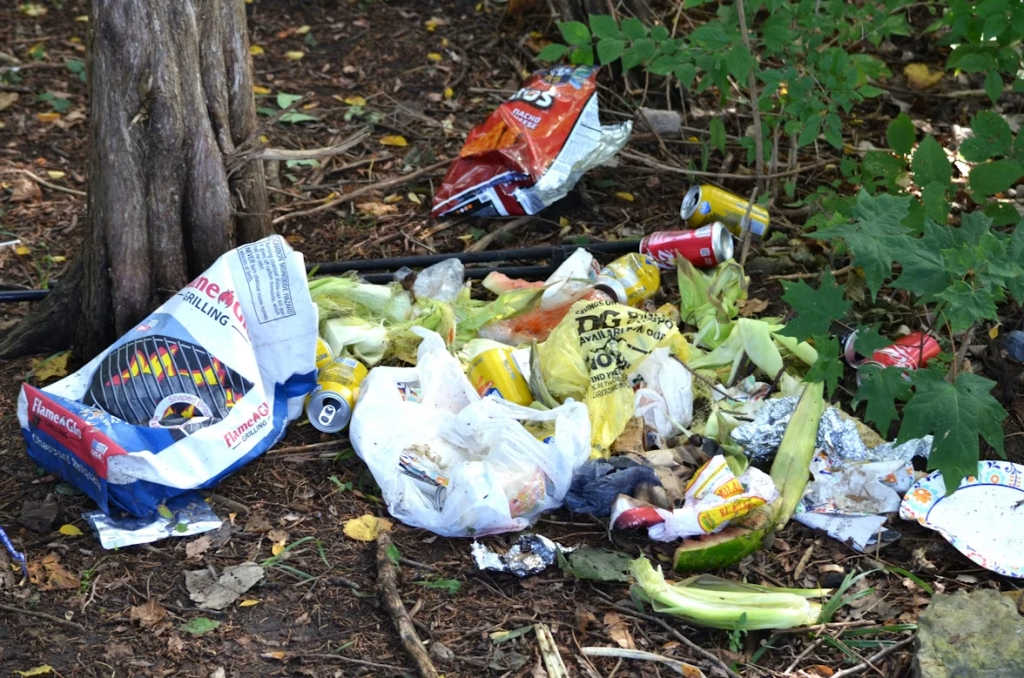
Just because food is thrown away doesn’t mean that’s the end of it. Getting it from your place to a landfill, and then dealing with it there, all uses up more stuff. And at the landfill, food that’s rotting, especially if the landfill isn’t run well, can give off dangerous gases.
People who work in trash and recycling say it’s generally much better to stop food from being wasted in the first place. You get the best outcome by not creating the waste to begin with.
Credit: Roger Starnes Sr / unsplash
Why food waste matters in a time of rising food costs
Because of problems with the climate, getting food around, and interruptions to how food is made and delivered, food prices change rapidly. This makes the amount of food we throw away at home even more of a big deal. People are commonly squeezed by increasing costs for groceries and simultaneously end up with food going bad due to not planning well or storing it properly.
Those who study how we buy things generally suggest keeping track of what you have, shopping for groceries more frequently and in smaller amounts, and keeping food in places where you can actually see it. Doing these things will help you use the food you have on hand before you go out and buy more.
What causes most household food waste
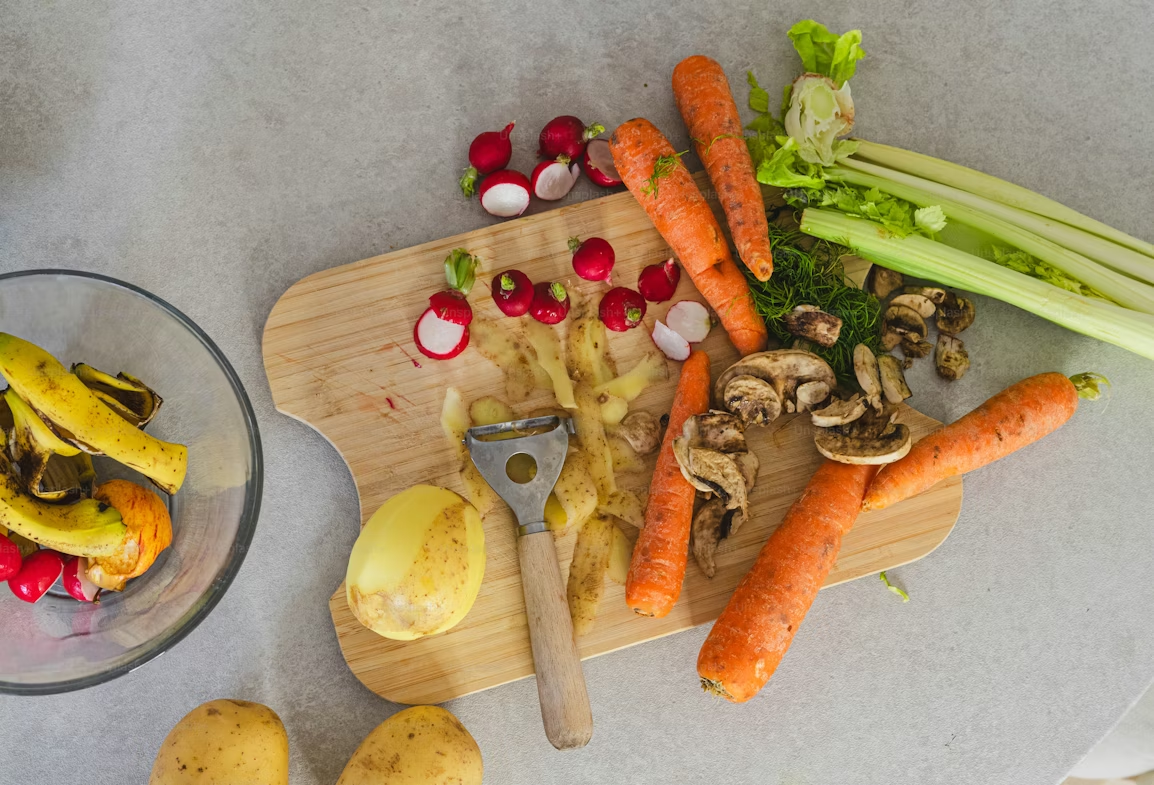
We throw food away for a lot of the same reasons: getting too much at the store, not knowing what to make for meals, being unsure of what the dates on the packaging mean, not keeping it properly, and making or serving too much at once. Fruit and vegetables are often binned as they go off quickly when we don’t use them promptly. And we have food that’s already been cooked left to go to waste because we don’t find a way to use the leftovers before they are too old.
Food safety people will tell you “best by” dates are generally not what people think. Those dates are more about how good the food is, not if it’s safe to eat. But even with that, you should still use your own sense, store food the right way, and follow any advice about food safety in your area.
How experts recommend reducing waste at home
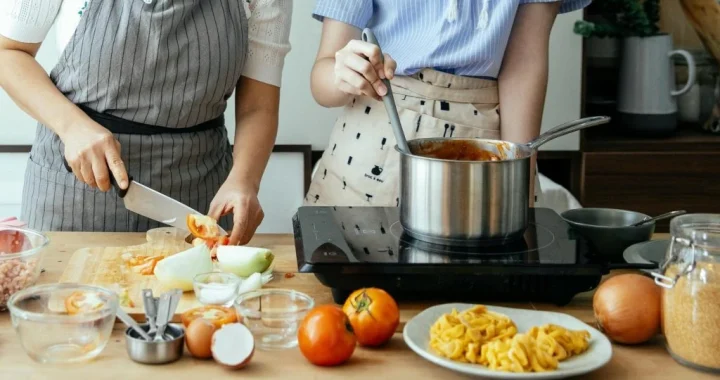
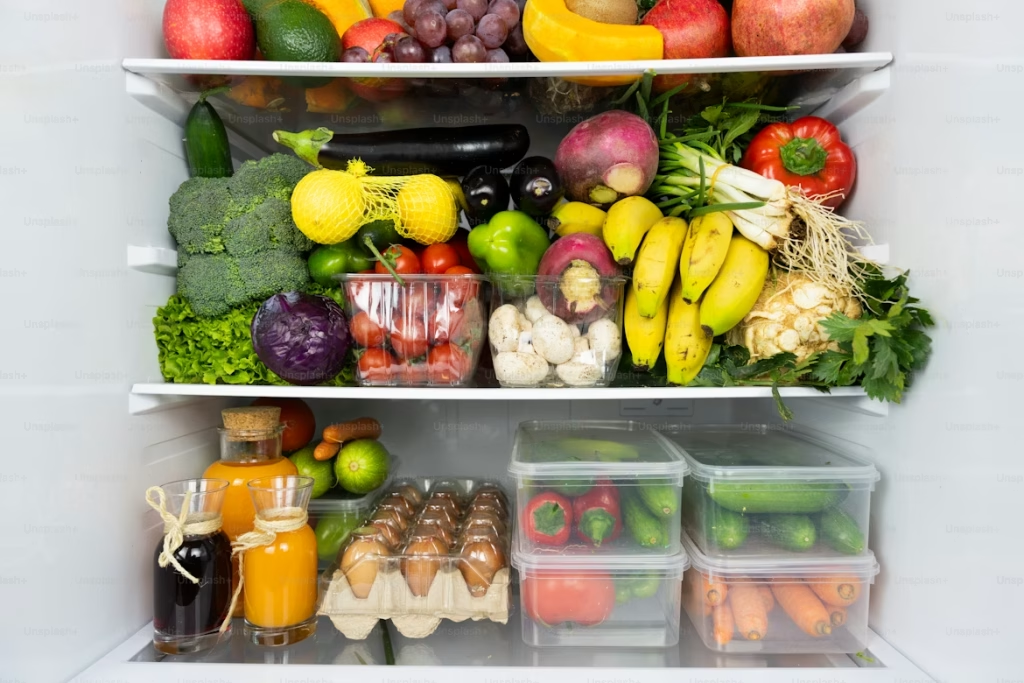
Most of the time, professionals recommend building consistent routines, as opposed to following really strict rules. You can cut down on wasted food pretty fast by planning your meals with what you’ve already got, keeping fruits and vegetables in the way they should be stored, putting leftover portions in the freezer, and prioritizing things that are getting on in years.
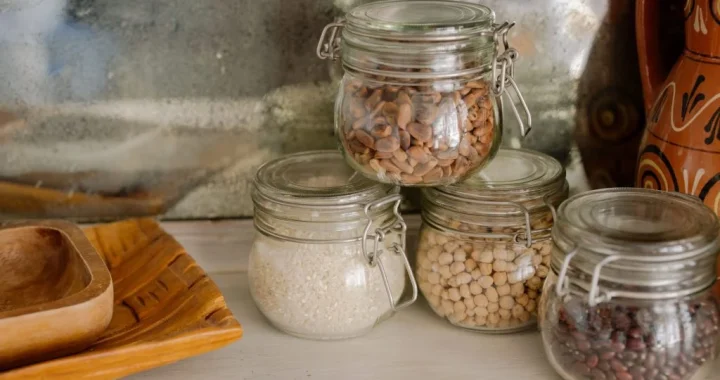
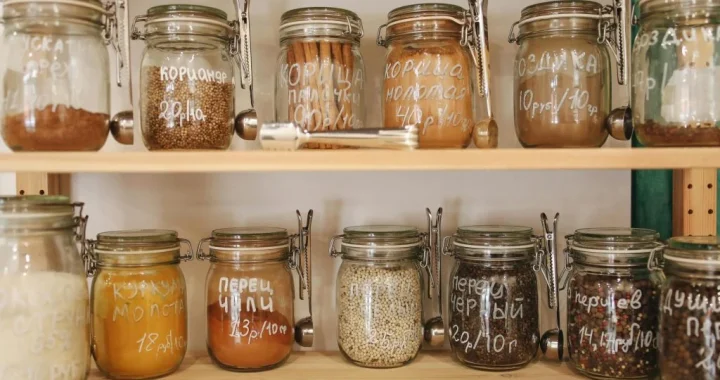
Being able to see what you have is a big help. With clear containers and having leftovers at the front, you’re more likely to remember about the food. Plus, for many families, building one meal a week around foods about to expire is a good idea.
Credit: Yunus Tuğ / Unsplash
Why food waste matters beyond the kitchen
We usually think of throwing away food as something we do at home, but it’s really a sign of how we all buy and use things. If we plan our meals better, store food correctly, and don’t serve ourselves too much, then eventually there will be less strain on where our food comes from and on the earth’s resources.
You don’t have to be perfect to be a more sustainable consumer. In fact, being sustainable is most effective when families steadily choose options that cut down on food being wasted, all while still having meals that are easy to manage and don’t cost the earth.
Frequently Asked Questions
Q: Why does food waste matter for the environment?
A: It wastes the land, water, energy, and labor used to produce food, and it can add disposal-related emissions when thrown away.
Q: What foods are most often wasted at home?
A: Fresh produce, leftovers, bread, dairy, and prepared meals are commonly wasted because they spoil quickly or get forgotten.
Q: How can households reduce food waste at home?
A: Meal planning, better storage, smaller purchases, freezing extras, and using older items first can make a big difference.
Q: Are date labels the main reason food gets wasted?
A: They are one reason, but overbuying, poor visibility, and weak storage habits also play a major role in household food waste.
Key Takeaway
It’s pretty easy to see why wasting food is a problem if you think about how much it affects your budget, how much water it takes to grow, the amount of land used for it, and what happens when you throw it away. Those little bits of food we lose each day really add up to a big issue for both the environment and our wallets. Luckily, specialists suggest easy fixes like planning meals, storing food correctly, and being able to actually see what you have. And knowing all of this about food waste makes it easier for families to throw away less, and it won’t even complicate things much in your daily routine.