

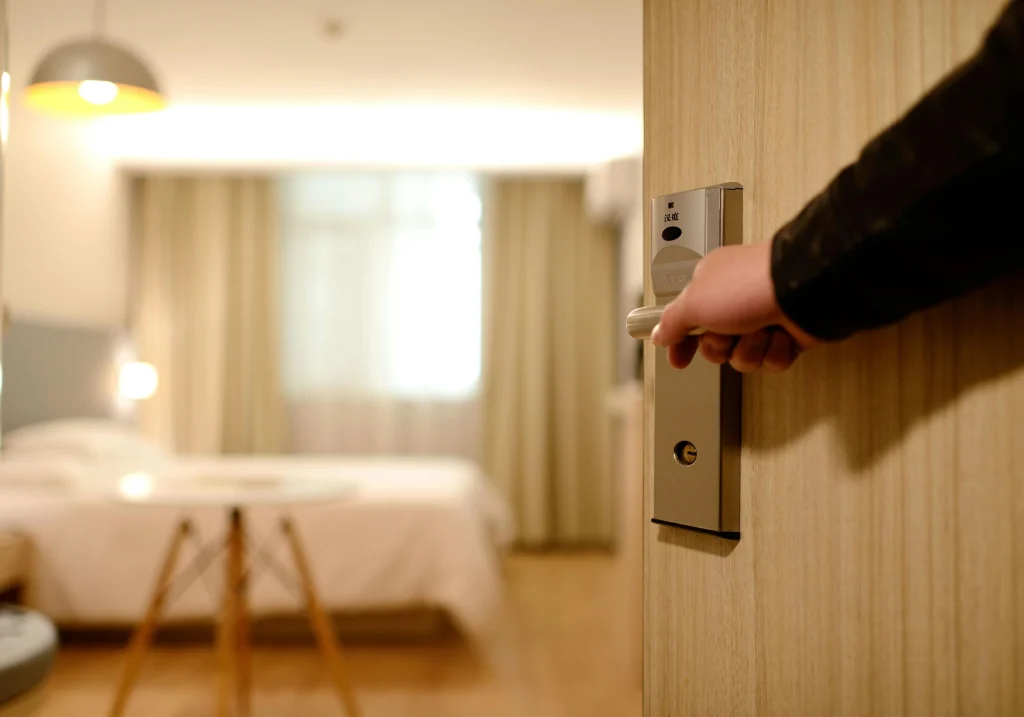

Credit: Vecislavas Popa / Pexels
Why nighttime heat changes how homes feel by morning
Nighttime heat often changes comfort before people fully notice the reason. A house that should feel fresher by sunrise may still hold warmth in walls, ceilings, and indoor air. Bedrooms may feel close and heavy, while living spaces may already seem warm before the strongest sunlight returns.
Home advisers often explain that this matters because comfort is cumulative. One warm night may be manageable, but several warmer nights in a row can gradually increase strain on both the building and the people living in it. Morning relief becomes weaker, which makes daily routines feel more tiring.
This is why warmer nights often affect more than sleep. They shape how the whole next day begins inside the home.
How warmer nights affect sleep and recovery
Sleep is often one of the first places households feel the effect of warmer nights. Bedrooms that stay warm may feel less restful, especially when air movement is weak and stored heat continues to rise from surfaces after sunset. Even modest discomfort can make it harder to settle into deep rest.
Sleep and comfort specialists often point out that the body relies on cooler conditions at night to recover more effectively. When nighttime heat remains elevated, the room may feel less stable and more humid, which can make sleep feel lighter or more interrupted.
This can affect the next day as well. Households may feel less refreshed, less patient with afternoon heat, and more dependent on cooling earlier than usual.
Why warmer nights often raise cooling demand the next day
When a house begins the morning warmer than usual, cooling demand often rises earlier. Fans may switch on sooner, blinds may need to be closed faster, and air conditioning may work longer because the building is already starting from a higher indoor temperature. This pattern can repeat across several days if warm nights continue.
Energy specialists often explain that warmer nights matter because they reduce the effectiveness of passive recovery. A cooler night gives the home a natural head start. A warmer one removes that advantage and can make households rely more heavily on active cooling.
This is one reason energy use may rise even when daytime weather seems only slightly different. The hidden change may be happening overnight.

Credit: Vecislavas Popa / Pexels
Frequently Asked Questions
Q: Why do warmer nights make homes feel harder to cool?
A: Warmer nights reduce how much stored heat a home can release before morning, so the building starts the next day with more leftover warmth.
Q: Do warmer nights affect sleep?
A: Yes. Experts often explain that bedrooms may stay warmer and less comfortable, which can make sleep feel lighter or more interrupted.
Q: Why does cooling demand rise after warm nights?
A: A home that stays warm overnight usually begins the next day at a higher indoor temperature, so fans and cooling systems may be needed earlier.
Q: What rooms are most affected by warmer nights?
A: Upper rooms, bedrooms, and spaces with strong afternoon sun often feel the effect most because they hold heat longer.
Key Takeaway
Warmer nights make homes feel harder to cool because they reduce overnight home cooling and leave more nighttime heat inside the building by morning. Experts often explain that this affects sleep, indoor comfort, and how soon cooling demand begins the next day. The problem grows when several warm nights happen in a row. Understanding warmer nights helps households respond more effectively to heat that continues after sunset.