

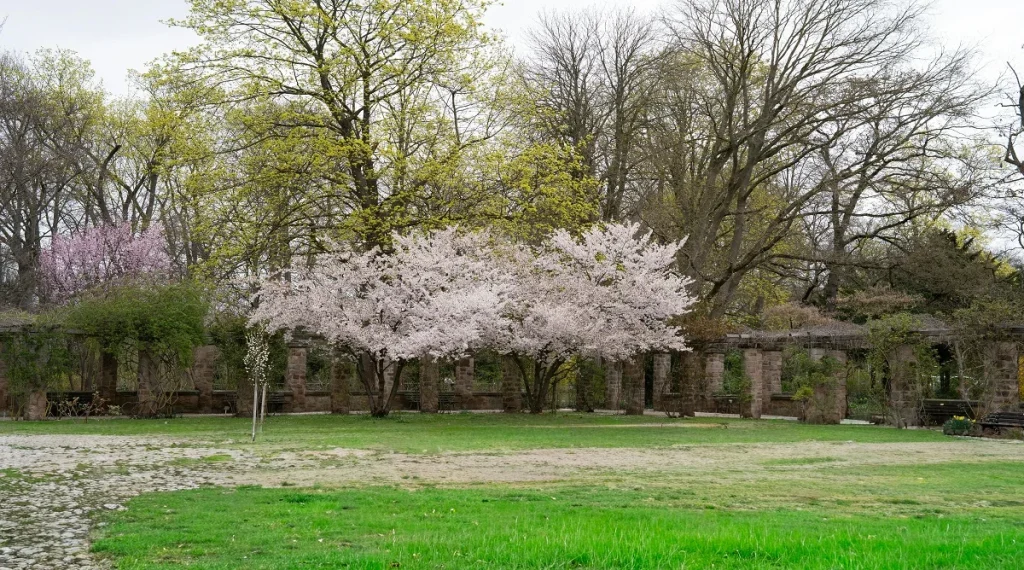
Warm spring starts can influence daily life in ways that seem subtle at first but become more noticeable over time. Early warmth can shift when plants begin growing, when pollen levels rise, and how households plan things like gardening, clothing, ventilation, and time outdoors. What feels like an early, pleasant season can also bring small but practical challenges.
Climate researchers, garden educators, and environmental health specialists often note that early warmth matters because it changes the expected rhythm of spring. A few warmer weeks at the start of the season can affect how landscapes respond, how allergy patterns develop, and how people prepare for the months ahead.
Why warm spring starts feel different from a normal seasonal shift
Most people expect spring to warm up gradually. When warmth arrives earlier or more quickly than usual, it changes how the season feels. Trees may leaf out sooner, flowers may bloom ahead of schedule, and outdoor spaces can look fully ready for spring activity even though conditions are still shifting.
Climate specialists often explain that early warming can lead people and landscapes to respond too soon. The challenge isn’t just warmer weather it’s that the rest of the season may not yet be stable. Cool nights or later temperature swings can still occur, interrupting that early sense of progress.
This can make spring feel less predictable. Even when everything looks ready, conditions may still change in ways that affect daily plans.
How warm spring starts affect gardening and planting decisions
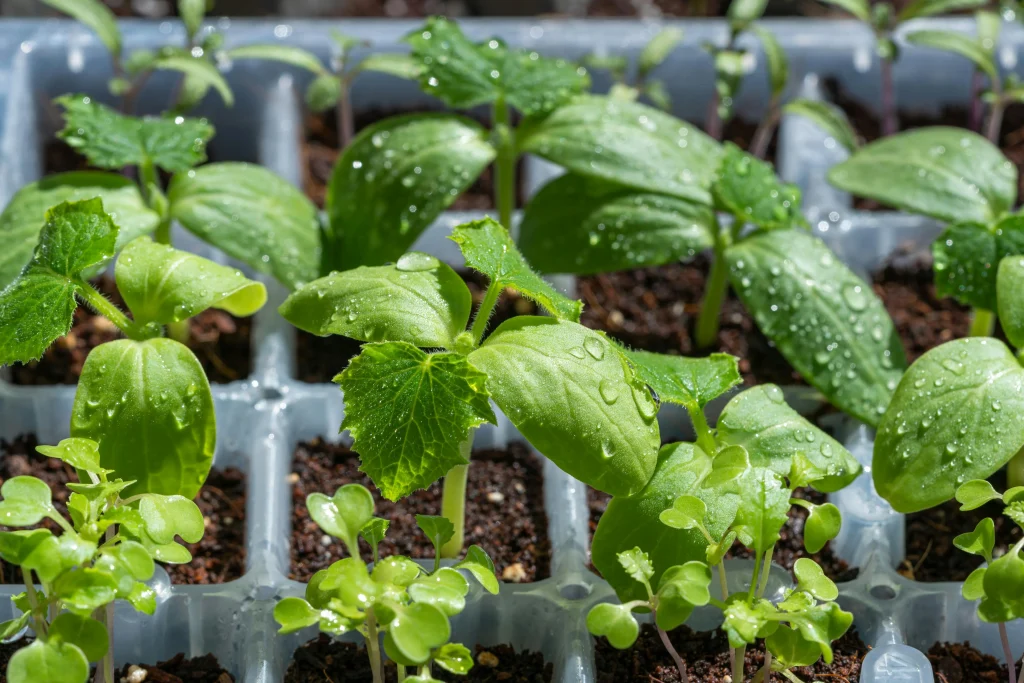
Gardening is often one of the first areas where early warmth becomes noticeable. Soil may warm sooner, plants may begin growing earlier, and people may feel ready to plant ahead of schedule. While this can sometimes be helpful, it can also lead to problems if cooler weather returns.
Garden educators often explain that timing matters as much as temperature. A short period of warmth may trigger early growth, but it doesn’t always mean the season has fully settled. Gardeners often do better when they pay attention to local conditions rather than relying only on the calendar.
This is why warm spring starts can affect everyday decisions. They can make the season seem ready before all the usual risks have passed.
Credit: Frank Schrader / Pexels
Why spring allergy timing often changes with earlier warmth
Spring allergies often arrive sooner when the season warms up early. Trees, grasses, and other plants may begin releasing pollen ahead of the usual schedule, which can make symptoms feel earlier and sometimes longer-lasting.
Environmental health specialists often note that families notice this through everyday routines. Windows may need to be managed more carefully, outdoor seating may feel less comfortable, and daily plans may shift when pollen becomes noticeable sooner than expected. In this way, early spring warmth affects not just the landscape, but how people feel both indoors and outside.
This matters because early warming doesn’t just change how spring looks—it changes when discomfort begins.
How warm spring starts influence home routines
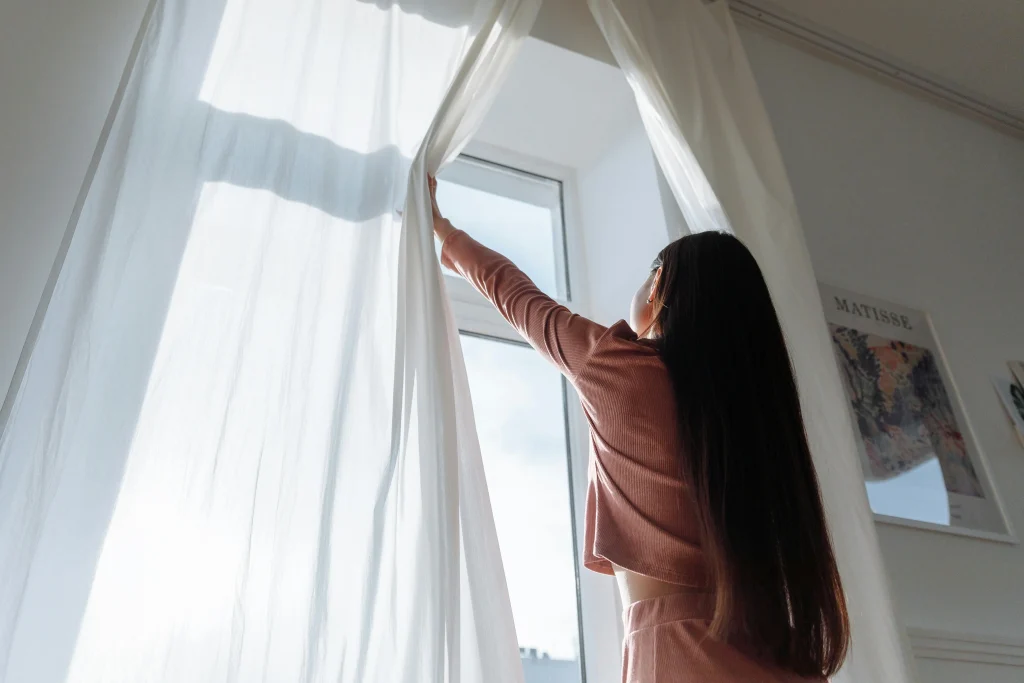
An early warm spring often shifts home routines in subtle ways. Windows may be opened earlier, fans may come into use sooner, and winter habits may fade before the household has fully adjusted. Clothing, cleaning, and yard work may also start earlier than usual.
Home comfort specialists often explain that these changes matter because they affect energy use, airflow, and how people respond to changing conditions. A home that feels ready for spring may still need flexibility if cooler evenings, rain, or sudden weather changes follow the early warmth.
This is why early spring warmth is more than just a pleasant shift—it can reshape how homes are used day to day.
Why warm spring starts can make seasonal timing feel less reliable
One reason early spring warmth stands out is that it disrupts the usual sense of seasonal timing. People often rely on familiar markers like planting dates, wardrobe changes, allergy expectations, and outdoor maintenance schedules. When warmth arrives early, those markers can feel less reliable.
Climate and weather experts often explain that even after an early warm period, cooler conditions can still return. This creates a gap between how the season looks and how stable it actually is. As a result, households may need to pay closer attention to weekly conditions rather than relying on past patterns.
Warm spring starts affect both comfort and decision-making. They highlight how seasonal timing may vary from year to year, making flexibility more important in everyday planning.
Credit: Thirdman / Pexels
What experts recommend households watch first
Experts usually suggest paying attention to patterns rather than reacting to a single warm week. Soil conditions, local plant growth, pollen activity, indoor comfort, and short-term forecasts all give a clearer picture than one early stretch of warm weather. Even if spring starts early, conditions may still shift unevenly afterward.
Garden educators and environmental specialists often recommend keeping routines flexible. This might mean waiting a bit longer before major planting, adjusting ventilation based on both pollen and temperature, and observing how the home and yard respond as the season develops. Small, consistent observation habits tend to be more reliable than fixed seasonal assumptions.
Warm spring starts are easier to handle when they’re viewed as a shift in timing rather than simply an early benefit. That mindset helps households make better decisions across gardening, home comfort, and everyday seasonal planning.
Frequently Asked Questions
Q: Why do warm spring starts matter so much?
A: They matter because early warmth can change plant growth, allergy timing, and home routines before the season is fully stable.
Q: Do warm spring starts always mean winter is fully over?
A: No. Experts often explain that early warmth can still be followed by cooler periods or uneven spring weather.
Q: How do warm spring starts affect gardening?
A: They can encourage earlier planting and growth, but they may also create timing problems if later cool conditions return.
Q: Why do allergies feel different during warm spring starts?
A: Earlier warmth can shift pollen activity sooner, which may make spring allergy timing begin earlier than households expect.
Key Takeaway