


Humid days often feel more difficult than the thermometer suggests because moisture in the air changes how the body experiences heat. Even when temperatures are moderate, the air can feel heavy, sticky, and tiring if it holds a lot of moisture. This added discomfort can affect everything from walking and outdoor plans to sleep and how homes feel throughout the day.
Climate specialists, indoor comfort researchers, and building advisers often point out that temperature alone doesn’t tell the full story. Humidity plays a major role because it affects how easily sweat can evaporate, how warm indoor spaces feel, and how much relief people get once the sun goes down. That’s why two days with the same temperature can feel completely different.
Why humid days feel different from dry heat
The body relies on sweat to cool itself. In dry air, sweat evaporates more easily, helping release heat and making warm conditions feel more manageable. On humid days, the air already contains more moisture, so evaporation slows down.
Heat and health researchers often explain that this is why humid weather feels heavy or sticky. Even if the temperature isn’t extreme, the body doesn’t cool as effectively, so discomfort builds more quickly. Activities like walking, doing yard work, or moving through daily tasks can feel more tiring as a result.
This highlights an important point: comfort isn’t just about temperature. Humidity changes how heat is experienced and how quickly fatigue sets in.
How humid days affect outdoor comfort and daily routines
Outdoor comfort tends to drop more quickly in humid conditions. Even light activity can feel demanding, and short tasks like running errands or standing outside may take more effort. Clothes may feel damp, skin may stay sticky, and shade may not provide as much relief as expected.
Environmental comfort specialists often note that this is especially noticeable during everyday routines like commuting or evening walks. On dry hot days, shade or a light breeze can make a clear difference. On humid days, that relief may feel limited unless there’s steady air movement. This can make humidity more noticeable in areas with little wind or lots of heat-retaining surfaces.
Humidity also affects how people plan their day. Outdoor chores may shift to earlier hours, exercise may feel more difficult, and families may adjust when they go outside for walks, gardening, or social time.
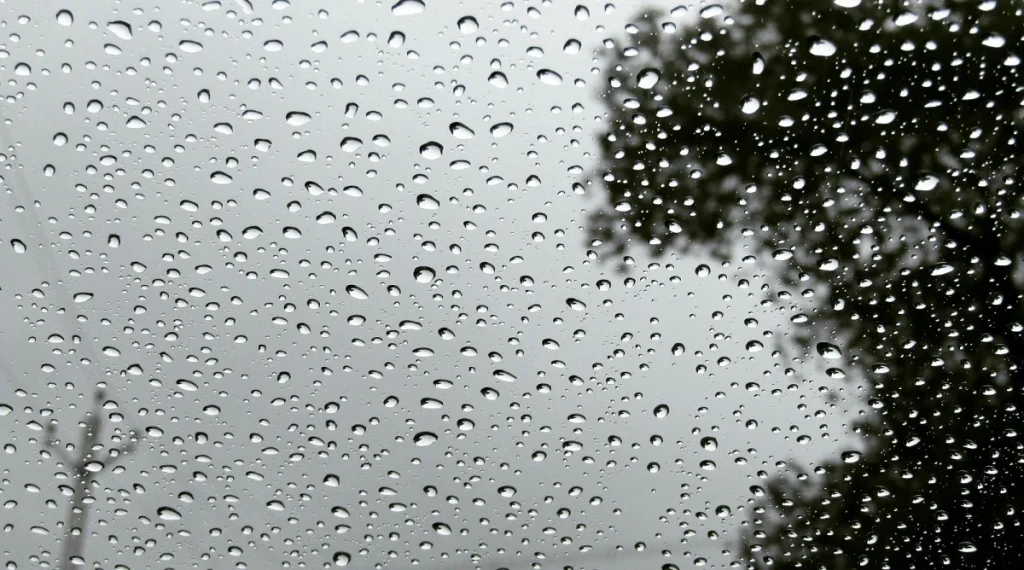
Credit: Ajay Babu / Pexels
Why humid days can make homes feel warmer
Homes often feel warmer on humid days because moisture changes how indoor air is experienced. A room might not be especially hot by temperature, yet still feel stuffy or uncomfortable when humidity rises. Spaces like bathrooms, kitchens, bedrooms, and upper floors can feel heavier when airflow is limited and moisture builds up.
Building advisers often explain that indoor comfort depends on both airflow and moisture, not just temperature. On humid days, walls, fabrics, and still air can seem to hold warmth longer. If a home already has limited ventilation or gets strong afternoon sun, the combined effect can make cooling feel more difficult.
This helps explain why people often rely more on fans or cooling systems during muggy weather, even when temperatures are similar to drier days. The difference is in how the air feels, not just what the thermostat shows.
How humid days affect sleep and evening recovery
Evenings can be especially uncomfortable after a humid day, since people usually expect nighttime to bring relief. When the air stays moist after sunset, rooms may cool more slowly, and bedding can feel warmer than usual. Falling asleep may take longer, sleep may be interrupted, and mornings can feel less refreshing.
Sleep specialists often note that rest depends on the body being able to cool down. When indoor humidity remains high, that cooling process becomes less effective. While this doesn’t affect every home equally, bedrooms with poor airflow or limited shade tend to feel it most.
That’s why humidity is often as much a nighttime issue as a daytime one the discomfort doesn’t necessarily end when the sun goes down.
Why air movement matters more on humid days
Air movement becomes more important when humidity is high because it helps sweat evaporate and reduces the feeling of still, heavy air. Outdoors, even a light breeze can improve comfort. Indoors, fans and better ventilation can make a noticeable difference.
Home comfort experts often explain that humidity feels worst when the air is both moist and stagnant. In those conditions, heat seems to linger around the body and within the space. A room at the same temperature but with better airflow usually feels more comfortable.
While air movement doesn’t remove humidity, it often improves comfort enough to make everyday activities feel easier and less tiring.
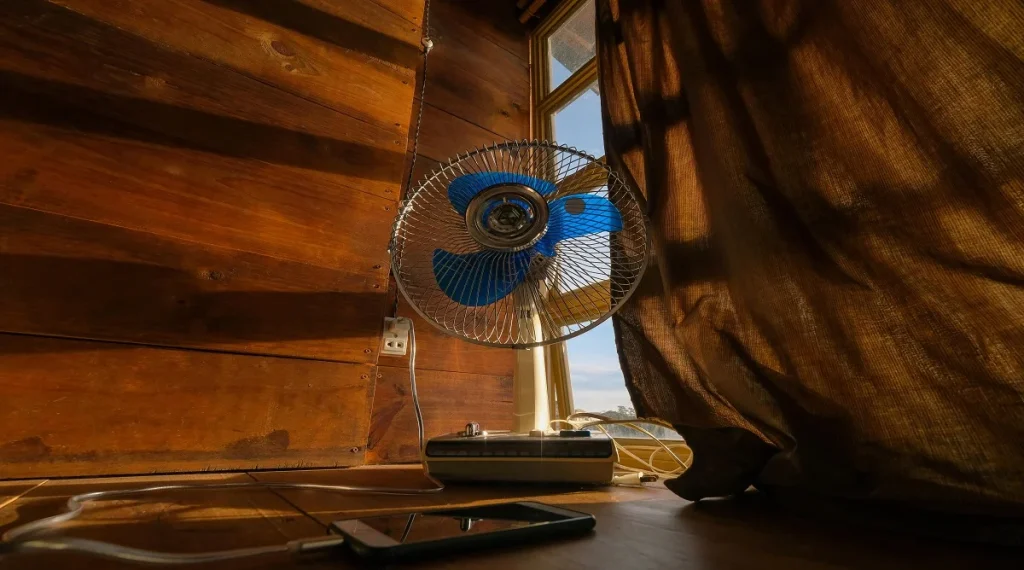
Credit: Dương Nhân / Pexels
What experts recommend households notice first
Experts often suggest starting by noticing where humidity shows up most clearly in the home. If a bedroom feels damp at night, if moisture lingers in the bathroom, or if the kitchen stays warm long after cooking, those patterns can point to where comfort needs the most support. The goal isn’t just to react to peak heat, but to recognize the recurring conditions that make humid days harder.
Building and climate specialists often recommend simple adjustments that work with the home rather than against it. Using shade during strong sunlight, timing ventilation carefully, improving airflow with fans, limiting extra indoor moisture when possible, and opening windows when outside air becomes more comfortable can all make a difference.
Humid days tend to feel more difficult because they affect both the body and the indoor environment at the same time. Recognizing that connection helps households respond more effectively, instead of focusing on temperature alone.
Frequently Asked Questions
Q: Why do humid days feel hotter than the actual temperature?
A: Humid days feel hotter because moisture in the air slows sweat evaporation, which makes it harder for the body to cool itself.
Q: Why do homes feel stuffier on humid days?
A: Indoor moisture levels can make rooms feel heavier and warmer, especially when airflow is weak and sun has already heated the space.
Q: Does humidity affect sleep?
A: Yes. Experts often explain that humid air can make it harder for the body and the bedroom to cool down at night.
Q: What helps most during humid days?
A: Better airflow, careful shading, useful ventilation timing, and reducing extra indoor moisture often help improve comfort.
Key Takeaway