
Things that are in season usually taste great because they’re picked when they’re nearly ripe for eating, not long before they are, so they don’t have to be stored or shipped for ages. At home, this gives you food with a more intense flavour, a better bite, and it makes meal planning easier because the produce is newer and more convenient.
Experts in how food works, teachers of farming, and people who try to decrease waste all say that eating seasonally also makes our food go further. Fruit and vegetables bought at the time they’d usually be harvested in your area will be a better match for what’s being grown nearby and won’t have such a long journey from farm to fridge. As a result, you’re likely to throw less food away and shopping can actually be simpler.
Why seasonal produce often tastes better
Fruits and vegetables are generally best when they are picked when they are almost completely ripe. They get a richer taste, a nicer feel in your mouth, and are more naturally sweet when they’re left to grow as they should during the proper time of year. And that’s a big part of why stuff from the season just tastes so much better.
People who teach about farming will tell you that food that grows at its natural time of year doesn’t require as much to be made suitable to sell. Ideally timed harvests mean it’s less likely to need long storage, lots of moving around, or being picked too soon. This can really be tasted in the food you eat.
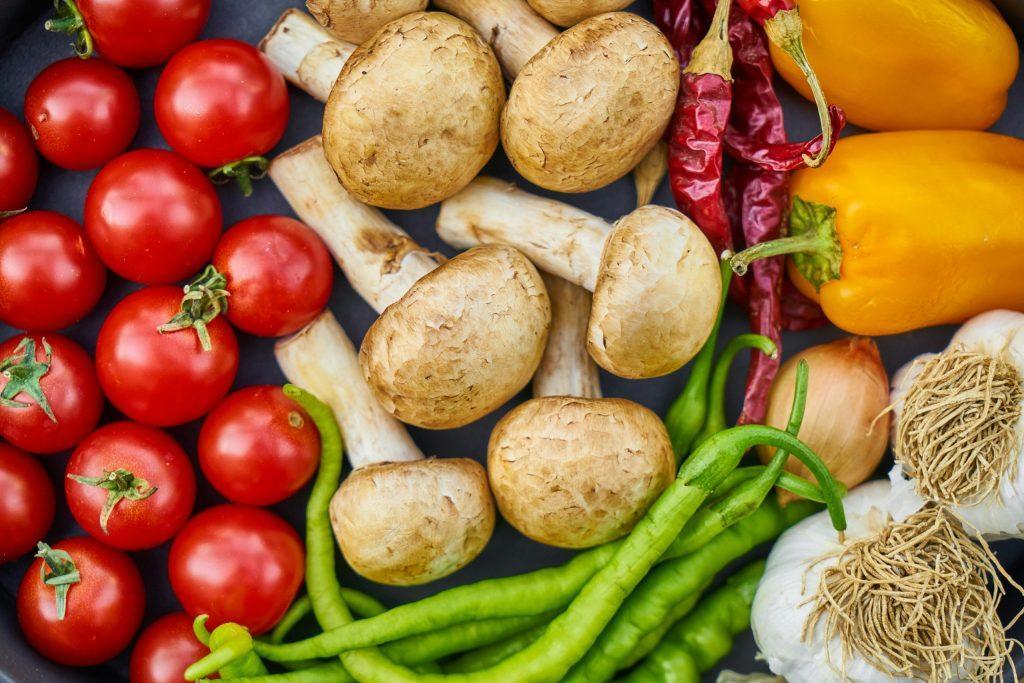
We all see this in little ways at home. Tomatoes will have a much more complete flavour, berries won’t be so watery, and lettuce, spinach and similar greens are fresher and are used up more quickly. These are small things, but they affect whether you’ll eat the food or if it will go to waste.
How seasonal produce supports fresher food systems
Foods that are really fresh are often all about getting the when right. If fruits and vegetables are available when they’re being grown locally or in the wider area, they generally get to people more quickly. That means they don’t need to be stored for ages or carefully transported over long distances to get to the shops.
Those who study how food is supplied frequently point out that produce which is in season ties in with what nature provides. And when this happens, the quality tends to be better and shops, farmers’ markets and families can all use food that’s at its very best. What’s available is also simpler to follow – you can clearly see what’s plentiful at any particular time.
Importantly, having seasonal produce doesn’t mean everything has to be from just around the corner all the time. But by choosing foods during their best, most natural season, we can help create fresher food systems and make grocery shopping for each of us easier.
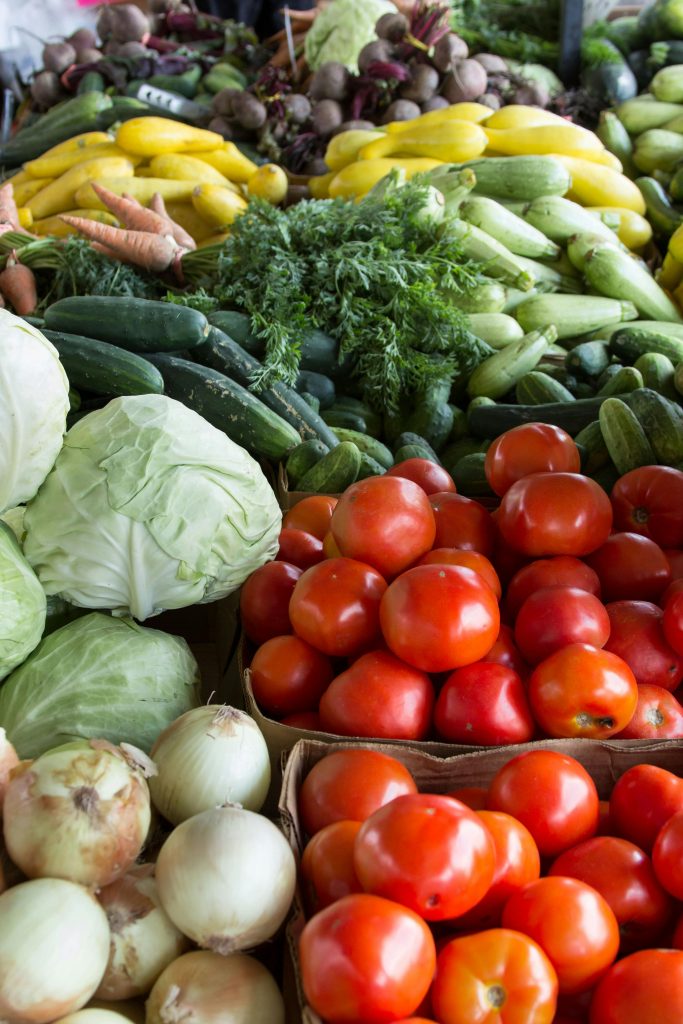
Credit: Daria Shevtsova / Pexels
Why seasonal produce can help reduce food waste
A really good reason to eat food that’s in season is that it means less gets thrown away. Because it’s fresher and available at the right time, you’re likely to actually use it before it goes bad. It will generally last longer in the kitchen, be more in tune with how you’re normally cooking, and be what your family feels like eating at that time of year.
People who work on reducing food waste say we create more of it when we buy food that sounds good, but isn’t suited to what we’re making during the week. Seasonal fruits and vegetables can solve this, as they’re often plentiful when we are more inclined to use them in our regular cooking.
And the way seasons work also gets us to shop with a little more thought. When specific fruits or vegetables are lots of people can get them, it’s easier to base your meals on those, rather than a huge assortment of things that may not all be eaten and will go to waste. This means less food is spoiled and you can plan meals more around what you’ll actually cook.
How local growing cycles shape household choices
When you get to know how things grow in your area, you get a sense of when different foods are at their peak. This gives shopping and cooking a lovely flow. Instead of being able to get everything at its best all the time, you learn when things are plentiful, cheaper, and make the most sense to use.
Teachers of food skills say this flow in your food helps you choose what to eat. If you know lots of greens are available during one time of year and root veggies at another, planning your meals will likely be simpler as the choices just feel right. You’ll likely buy too much less and be less likely to have delicate fruits and vegetables go bad before you use them.
And eating with the seasons means you’ll eat a wider range of foods throughout the year. You’ll slowly change your meals as the seasons change, rather than sticking to the same ones constantly, which makes things more interesting and means you’ll have less food to throw away because you’re using it at the right time.
Why seasonal produce can make meal planning easier
Meal planning often becomes easier when the shopping list matches what is abundant and in good condition. Seasonal produce gives households a clearer starting point because the best options are often easier to spot. Instead of trying to force meals around less practical choices, people can build around what is currently fresh and widely available.
Home cooking specialists often note that this reduces friction in the kitchen. Fresh vegetables that taste better and hold up well are more likely to be cooked, packed for lunch, or added to simple meals during the week. This lowers the chance that produce will be forgotten in the refrigerator.
In this way, seasonal produce supports both food enjoyment and better use. The easier a food is to enjoy and prepare, the less likely it is to become waste.
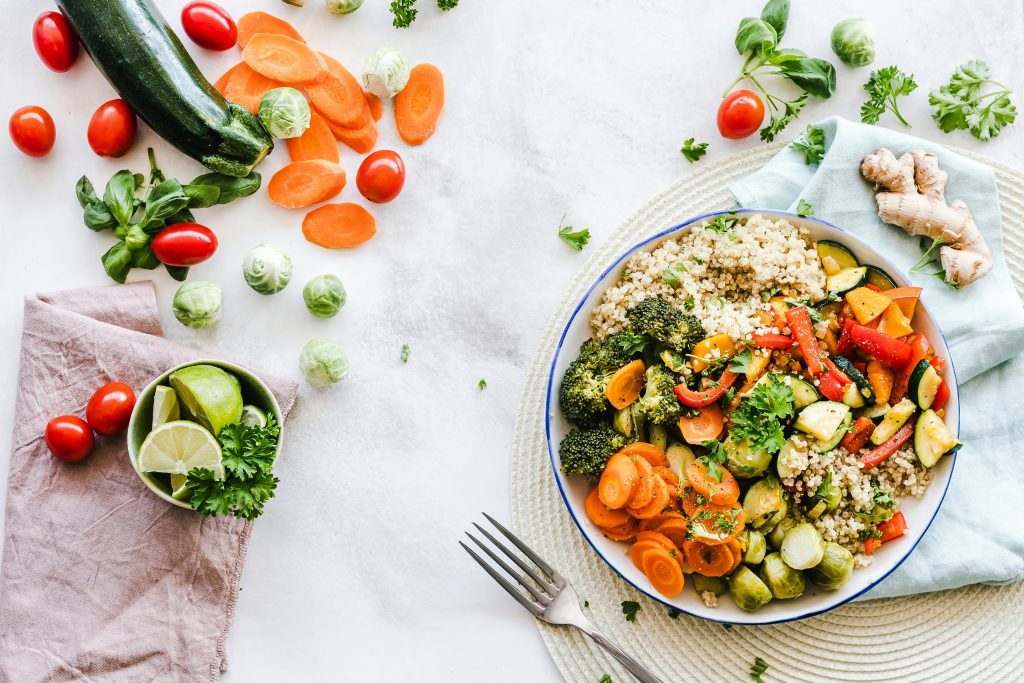
Credit: Ella Olsson / Pexels
What experts recommend when buying seasonal produce
Most of the time, people who know about this sort of thing say you’re better off looking at things first, and not being too rigid about rules. You’ll generally do better by noticing what looks best, what you see a lot of, and what you’d actually cook with, instead of trying to learn exactly what’s in season. Families who shop thinking about when they’ll actually eat things don’t throw as much food away.
Those who study food waste also say to begin with a reasonable amount of what’s in season. If you just get a huge amount of something because it’s there, it will still go bad. It’s frequently much more sensible to buy as much as you’ll truly use, get the most from it, and then go back for more if you require it.
Seasonal food is at its prime when it goes with what you normally do. You shouldn’t feel like shopping is limited.
Frequently Asked Questions
Q: Why does seasonal produce often taste better?
A: Seasonal produce is often harvested closer to peak ripeness, which can improve flavor, texture, and overall freshness.
Q: Can seasonal produce really help reduce food waste?
A: Yes. Experts often explain that fresher, better-timed produce is easier to use before spoilage and fits meal planning more naturally.
Q: Does seasonal produce always mean local food?
A: Not always. Seasonal produce refers to food that aligns with its natural growing period, though it may also support local or regional supply.
Q: How can households start buying more seasonal produce?
A: A useful first step is to notice which fruits and vegetables look freshest, most abundant, and easiest to use in current meals.
Key Takeaway
Fruit and vegetables that are in season generally have a better flavor, because they’re picked when they’re just right and eaten when they’re at their best. What’s more, people who know a lot about food say choosing seasonal food means food gets from farm to table quickly, it makes deciding what to cook easier and reduces the amount of food we throw away. In fact, shopping for what’s currently growing simplifies grocery trips and makes the food you do buy more enjoyable. And, knowing about seasonal produce is a key step for families to develop a way of eating that’s both sensible and good for the environment.