
Actually being more environmentally friendly doesn’t so much rely on big, sweeping ideas as on the details of how things are done around the house. Lots of us would like to create less garbage, consume less, and live in a more environmentally sound way, yet specialists in the field say that wanting to do this isn’t enough for lasting improvements; the house itself has to be set up to help you actually do it.
The way a house runs, and this is a point made by people who teach about reducing waste, organizers of homes, and researchers of sustainability, subtly affects what we do. If you can’t get to your reusable containers easily, if you can’t see what’s left over in the fridge, or if you have a haphazard way of shopping, you’ll likely produce more garbage, even if you do care about the environment. Good household habits often make it easier to be eco-conscious as they streamline things in your daily life.
Why eco-friendly progress depends on systems, not only motivation
Motivation can help people start, but systems are what help them continue. A household may feel inspired to waste less after reading about sustainability, but that energy can fade if the home is not set up to support new habits. For example, a family may want to use reusable bags, yet still forget them if they are stored out of sight.
Behavior specialists often explain that repeated actions usually follow convenience more than intention. That is why practical sustainability systems matter. When the easier option is also the lower-waste option, people are far more likely to repeat it without extra effort.
This is one reason eco-friendly progress is often slower than people expect at first. The issue is not always a lack of care. It is often a lack of supportive structure inside the home.
How practical sustainability systems reduce lower household waste
Most of the time when we reduce how much garbage our families make, it’s because we’ve improved what we do with everyday things, not because of big, one-off decisions. Food waste, containers and wrapping, throwaway cleaning supplies, little drips and spills, and buying things you already have are all typical ways many of us create rubbish. And we usually fall into these habits with our usual way of doing things.
People who teach about being sustainable generally say to examine where waste happens over and over. If your fridge is a mess, you’ll likely have food go bad. If you have loads of food in your cupboard, you’ll probably buy things you don’t need. You might use disposable stuff more often simply because your washable options are hard to get to. Small adjustments to your systems can lower waste by making the sensible option easier to do.
Those in the know commonly point out that for becoming more environmentally friendly, it’s better to measure how much you’re improving with your habits, as opposed to striving for being perfect.

Credit: Cottonbro Studio / Pexels
Why visibility matters for daily green habits
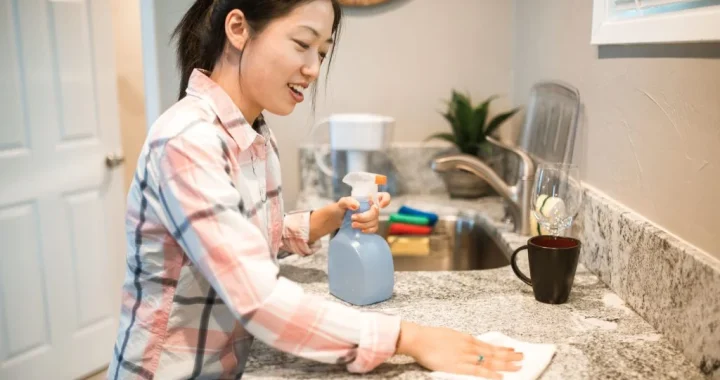
Sustainability issues aren’t just about what we buy, but about how we look after things. Little things like drips, filthy filters, failing seals, blocked openings and how we store things all lead to more waste, and they’re easy to overlook. These typically don’t cause a big issue right away, but get worse with repeated happening.
Those who make homes run more efficiently point out that keeping on top of repairs doesn’t get much praise, but it’s amazingly effective. When a house is in good condition, it’s kinder to water use, more efficient with energy and your belongings last before needing to be replaced.
And this is yet another reason why all the different systems within a house are important. A house with quick checks of leaks, filters, storage and the things we use a lot, will generally lead to much more lasting and environmentally sound improvements.
How better household systems improve shopping and food use
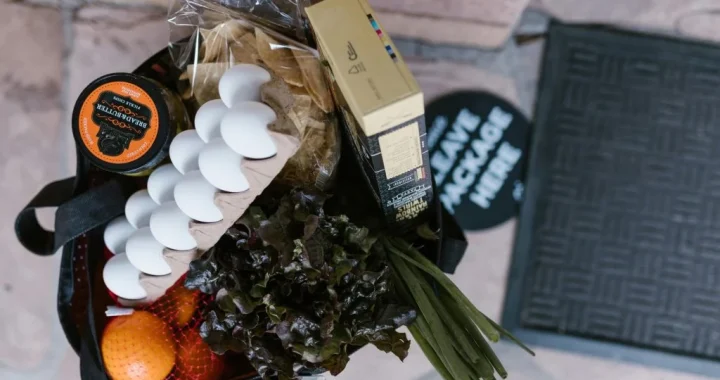
Shopping habits often shape a large share of a home’s environmental impact. Overbuying, unclear planning, and weak storage systems can increase food waste and unnecessary packaging. Better household systems help people buy with more accuracy and use what they already have more fully.
Food waste researchers often recommend checking the refrigerator and pantry before shopping, keeping a short visible list of what needs early use, and planning meals around ingredients already at home. These small steps reduce waste because they connect purchasing decisions to real household needs.
Eco-friendly progress becomes easier when the home creates feedback. A person who can see older produce, labeled leftovers, and current pantry stock is more likely to make efficient shopping choices without extra guesswork.
Why eco-friendly progress often grows through maintenance habits
Sustainability issues aren’t just about what we buy, but about how we look after things. Little things like drips, filthy filters, failing seals, blocked openings and how we store things all lead to more waste, and they’re easy to overlook. These typically don’t cause a big issue right away, but get worse with repeated happening.
Those who make homes run more efficiently point out that keeping on top of repairs doesn’t get much praise, but it’s amazingly effective. When a house is in good condition, it’s kinder to water use, more efficient with energy and your belongings last before needing to be replaced.
And this is yet another reason why all the different systems within a house are important. A house with quick checks of leaks, filters, storage and the things we use a lot, will generally lead to much more lasting and environmentally sound improvements.
What experts say makes a household system actually last
Most of the time people who know about these things say to pick a way of doing things that you can keep up with when you get busy. Something complicated might seem good to start with, but it will be a pain to manage when your timetable changes. A less ambitious system, and one that goes with the way your family already does things, will likely last much longer.
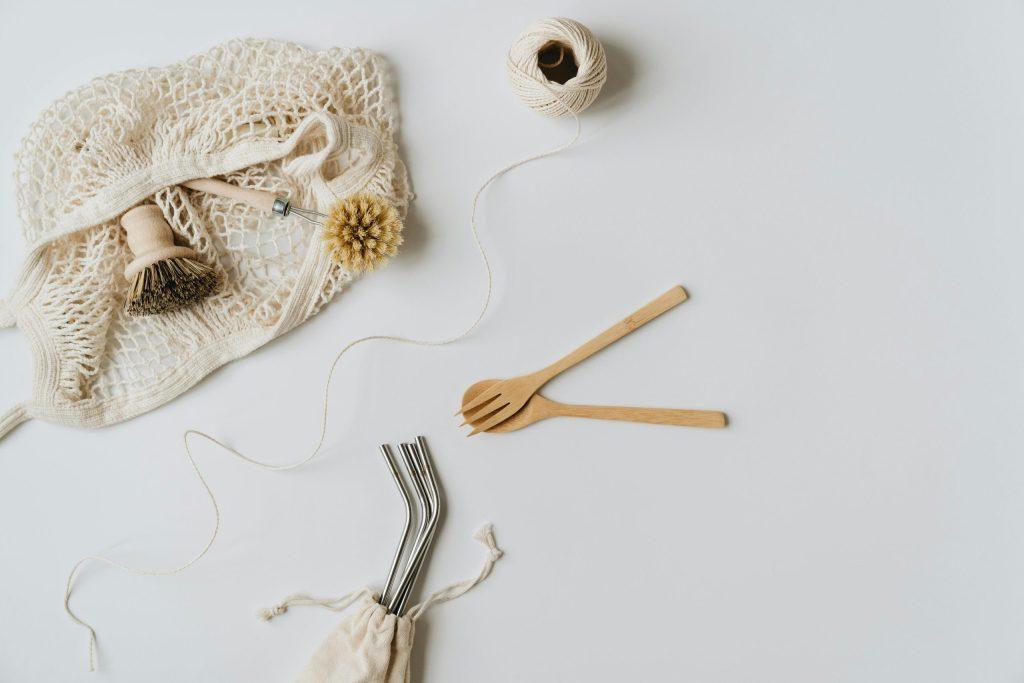
Psychologists who study habits say good systems normally have three characteristics. They’re where you can see them, simple to do over and over, and tied to something you do every day. Having your bags for reuse by the door is a good example – it’s part of getting ready to go out. And putting your food waste near where you prepare your meals works because of how you cook.
When your house itself makes being environmentally aware easier, you’re far more likely to actually do it, without needing to force yourself to every single time.
Why better systems matter more than image
Many people feel pressure to make sustainable living look polished or perfectly organized. Experts often caution against this idea because it can distract from function. A household does not need matching jars, carefully styled storage, or ideal routines to reduce waste successfully. It needs systems that work.
Environmental educators often emphasize that practical success matters more than appearance. A slightly messy but reliable reuse system can still lower waste. A simple fridge note can still prevent food spoilage. A repaired item can still stay useful without looking new.
This perspective matters because it makes eco-friendly progress more realistic. People often build stronger routines when they focus on what works in their space rather than what looks impressive from the outside.
Frequently Asked Questions
Q: What does eco-friendly progress mean at home?
A: It means creating household routines that reduce waste, improve resource use, and make greener choices easier to repeat over time.
Q: Why do household systems matter for sustainability?
A: Experts often explain that systems shape daily behavior, so better organization can make lower-waste choices easier and more consistent.
Q: What are examples of practical sustainability systems?
A: Clear recycling bins, visible leftovers, reusable items stored near where they are used, and better shopping checks are common examples.
Q: Do households need perfect organization for eco-friendly progress?
A: No. Experts generally recommend systems that are useful and realistic rather than perfectly styled or overly strict.
Key Takeaway
Eco-friendly progress often starts with better household systems because daily routines follow convenience more than intention alone. Experts often link practical sustainability systems with lower household waste, better maintenance, and more reliable long-term habits. Visible, simple, repeatable systems usually support stronger environmental results than perfect plans that are hard to keep. Understanding eco-friendly progress in this way helps households build change that lasts.