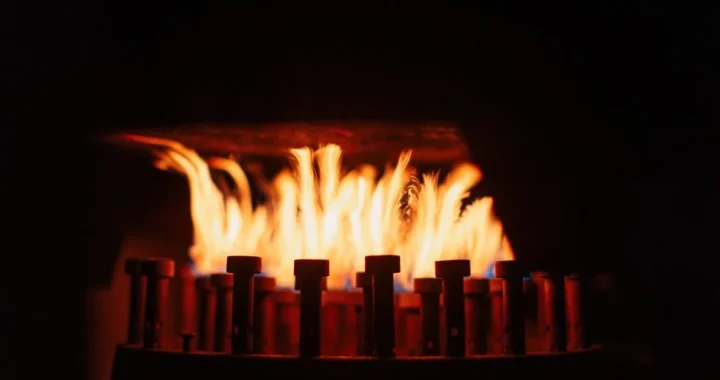

When the weather is really harsh, how much electricity everyone needs all at once is a big deal. During very hot periods, air conditioners get used a lot, and in freezing temperatures, we have heating and lights on for longer. This all leads to a very fast and significant increase in the load on the electricity networks in your area and in the larger region.
Those who plan the grid, look at energy use, and work on making buildings use less energy all say that these surges in electricity demand aren’t simply about the technical side of electricity. They determine how cozy we are in our homes, how well the power keeps flowing, and how effectively newer, greener power sources can work when they’re really pushed. Because of this, looking at these peaks in demand shows us why what we do with energy is most important when the weather gets difficult to deal with.
Why electricity demand spikes happen during extreme weather
When the weather gets to extremes, the way we use electricity shifts. On really hot days, air conditioners are on for longer, and frequently are switched on earlier than usual. And in exceptionally cold temperatures, heaters, water heaters, and all kinds of things inside the house are liable to work much harder, all at the same time. This causes the highest level of need for power, because lots of buildings start using a lot of electricity all at once, rather than having that usage distributed throughout the day.
Experts in energy fields point out that the issue isn’t simply that we’re using more total electricity. It’s about when we’re using it. The electricity network can usually manage a large amount of energy used in a day if that amount is staggered. However, the system is stressed when many homes and businesses all require a lot of power at the exact same moment, particularly during the hottest part of the afternoon or the coldest of the evening.
Because of this, those sudden increases in electricity demand are a big deal when the weather is at its most extreme.
How electricity demand spikes affect grid pressure
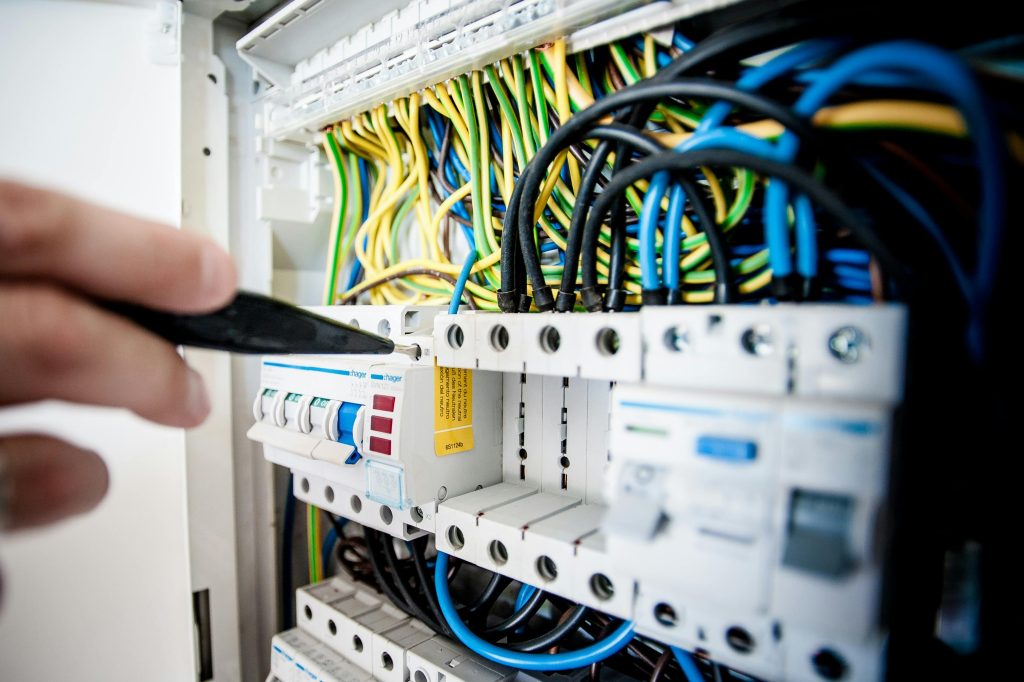
The electrical grid gets a lot of strain when it has to deliver a suddenly higher amount of power. This strain is felt throughout the whole system; by the power stations, the high voltage lines, the substations and the way electricity gets to homes and businesses when use shoots up. And if the system isn’t very adaptable, even minor issues can become much more difficult to deal with.
It’s common for those who run the grid to say that high strain doesn’t automatically mean a blackout. Lots of systems are designed to cope with high usage times. However, the difficulty happens when really bad weather persists for an extended duration, is a surprise, or causes people to use more power than the grid was set up to handle. At those times, there’s far less room for anything to go wrong.
That’s why spikes in electricity demand are very closely monitored during both heat waves and cold spells. These are the times the energy system is most stretched, and households are at the highest risk of being left without power should something break.
Credit: Pixabay / Pexels
Why peak energy demand matters for homes
When a lot of people are using energy at once, you’ll likely find that your heating and cooling bills go up. That’s because your furnace or air conditioner is running longer and has to work much harder. Also during very hot or cold spells, you might have rooms that simply don’t get as warm or cool as others because the system can’t manage to balance things out.
Experts in making buildings more efficient say that the problem gets amplified by badly insulated rooms, windows and doors where you can feel a breeze, air that doesn’t move around the house well, and appliances that are old. These things mean your house uses more energy precisely when the heating or cooling system is already doing the most. A house that lets energy escape not only adds to the overall stress on the power supply, but isn’t as cozy.
So those sudden increases in electricity demand are important for you as a homeowner, as well as for the entire electricity grid.
How cleaner power systems are affected by demand spikes
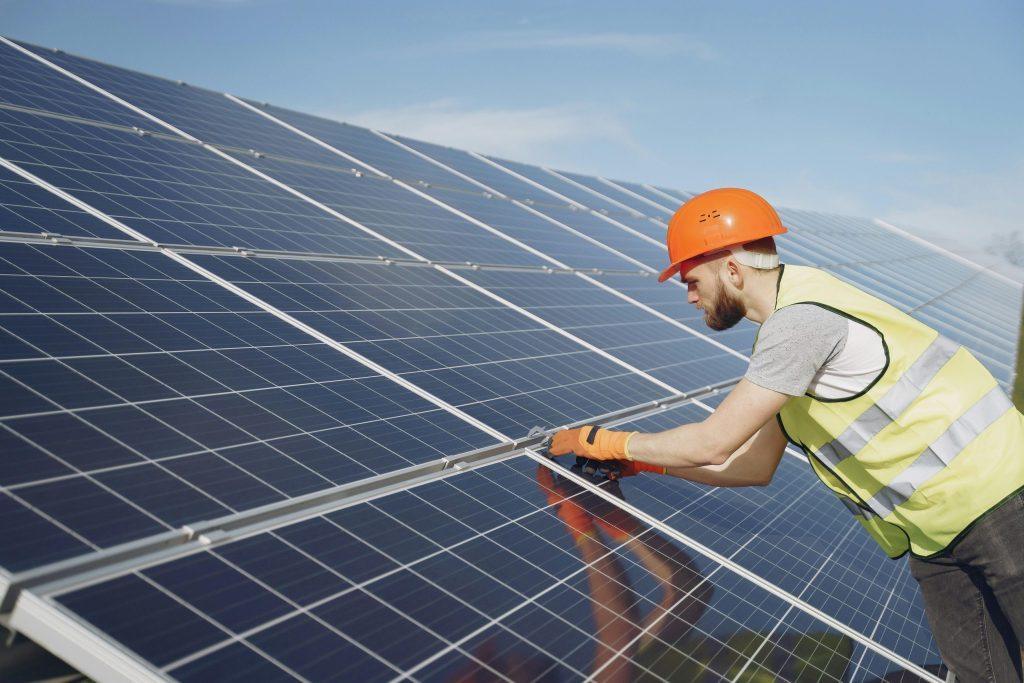
Even with energy sources that are environmentally friendly, you’ve still got to have the amount of power available match how much people are using at any given moment. Solar and wind can create a lot of electricity, but the amount they make fluctuates throughout the day. And when electricity use suddenly goes up, it’s even harder to balance things out if the weather isn’t making power in line with what’s being used.
However, energy experts say this in itself doesn’t mean these cleaner ways of making power are something you can’t depend on. It’s more that it emphasizes how important it is to have options. Being able to store energy, using ‘smart’ electricity grids, controlling when people use energy, and simply having homes that don’t use as much energy all allow these cleaner systems to handle periods of very high use much more easily.
What experts say households can do during electricity demand spikes
Experts usually recommend reducing avoidable demand during the busiest parts of extreme weather. This may include using cooling and heating more strategically, closing blinds during strong sun, improving airflow, delaying non-essential appliance use, and making sure the home is not leaking conditioned air.
Home energy advisers often stress that comfort does not require waste. A well-timed fan, better insulation, or reduced appliance use during peak periods can help lower pressure without making the home unlivable. The goal is not to stop using electricity. It is to use it more carefully when the system is under the most strain.
These changes are often most effective when they become routine before severe weather arrives. Small habits usually work better than last-minute reactions.
Credit: Erik Mclean / Pexels
Why long-term planning matters more as weather becomes harder to manage
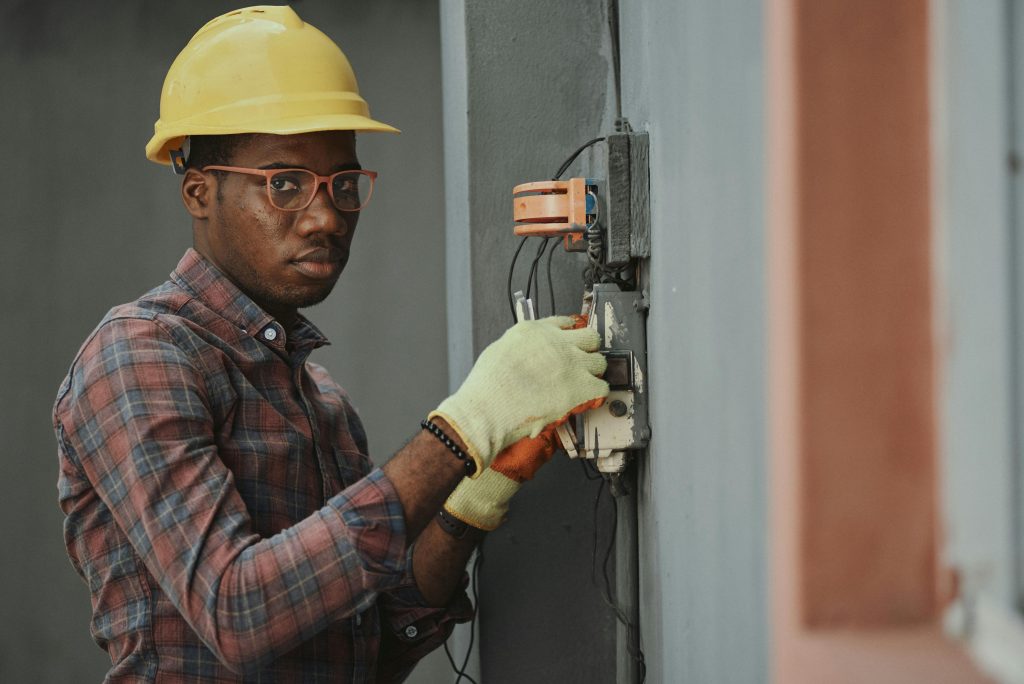
We’re now seeing extreme weather stick around for longer periods and impact a larger number of people at the same time. Consequently, those sudden surges in electricity use might happen quite often during each season instead of being unusual. To be truly prepared for the future, we need houses that can withstand a lot, energy systems that are intelligent, and improved cooperation between us at home and the power companies.
Those in the business of running the power grid frequently point out that there isn’t one fix for everything. Cleaner power production, a more robust power network, improved ways to store energy, buildings that don’t waste energy, and people making more thoughtful choices about their energy use are all important and function as a unit. And looking at these spikes in electricity demand really illustrates how closely all those pieces are tied to one another.
Frequently Asked Questions
Q: What causes electricity demand spikes?
A: Electricity demand spikes happen when many homes and businesses use much more power at the same time, often during extreme heat or cold.
Q: Why do electricity demand spikes matter during heat waves?
A: During heat waves, cooling systems run longer and across more buildings at once, which increases grid pressure and peak energy demand.
Q: Can households help reduce grid pressure?
A: Yes. Experts often recommend reducing avoidable appliance use, improving airflow, and using heating or cooling more efficiently during peak periods.
Q: Do electricity demand spikes affect cleaner power systems too?
A: Yes. Cleaner systems still need to balance supply and demand, so demand spikes make timing and flexibility more important.
Key Takeaway
Electricity demand spikes matter during extreme weather because many homes and systems need extra power at the same time, which increases grid pressure and affects reliability. Experts often explain that better home efficiency, smarter demand patterns, and stronger system planning all help reduce this stress. Small household actions can support comfort while lowering peak energy demand during hard weather. Understanding electricity demand spikes helps show why everyday energy choices matter most when conditions are most extreme.