
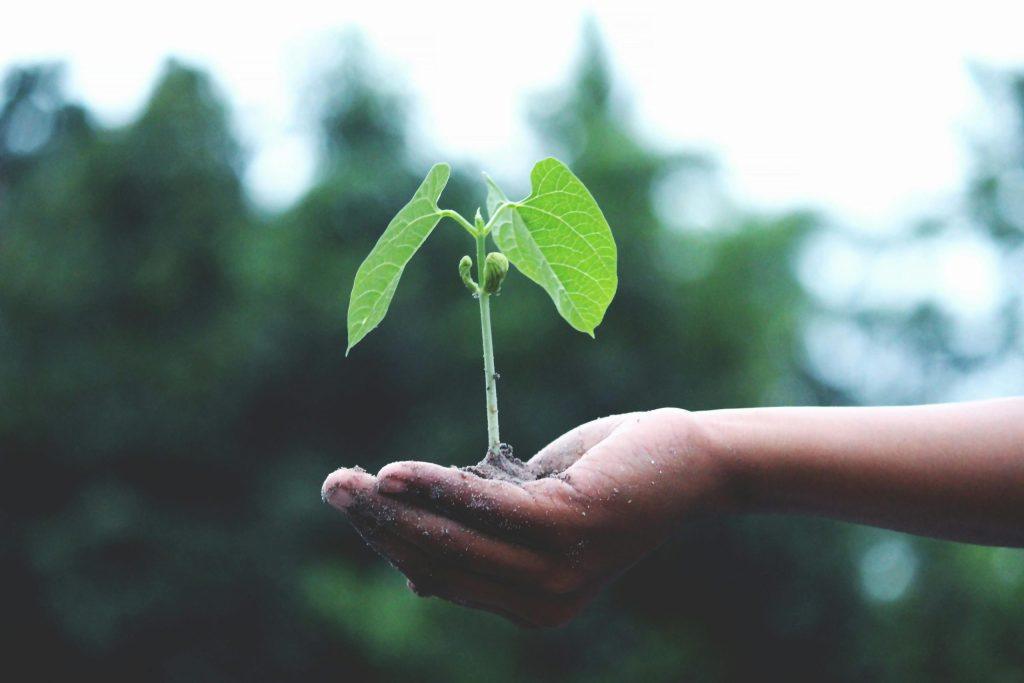
How well your food will grow, how water gets through the earth, and how long your garden keeps on producing are all down to the health of your soil. Lots of us start by thinking about seeds, sunshine and giving the plants water, but people who really know about this stuff say good soil is what allows all of those things to be effective.
Those who study soil, teach gardening, and manage water supplies say soil isn’t simply ‘dirt’. It’s a living thing with minerals, rotting plant and animal material, air, water and a huge number of microscopic creatures. As long as this balance is maintained, plants will grow at a more even rate, won’t need as much water and will bounce back from problems more easily.
Why soil health matters from the start
Plants are only as good as the soil they’re in. Roots need the soil to have a good shape, the correct amount of water, food for the plant, and air. When soil is packed too tightly, roots have a hard time growing out. If it gets dry too fast, your plants will be thirsty between each time you water them. And if it doesn’t drain well, roots are left in water for a length of time that isn’t good for them.
People who really know about gardens say how important soil is because it affects so many things all at once when a plant is growing. Good soil helps plants get water, keep their food, and remain firmly in the ground during all kinds of weather. Poor soil leads to lots of issues, and gardeners find themselves dealing with each one separately.
Because of this, experts frequently suggest improving the soil before doing much of anything else in the garden. A healthier foundation will generally make the entire garden much easier to look after.
How soil health supports food growing success
Whether your food plants do well for a long time is very much about the soil being able to let them grow at a nice pace. Veggies, herbs and fruits generally need a regular supply of water and nourishment. Good garden soil manages to give plants this balance by keeping hold of what they require but letting extra water drain away.
People who teach about farming often say that gardeners frequently spend too much on things to put on the soil and forget about the soil itself! Even if you are really careful with your watering and plant food, you won’t get what you hope for if the soil is without life, packed down, or doesn’t have enough decaying plant and animal material in it.
And, good soil helps roots grow much more strongly. Plants can usually cope with hot weather, brief droughts and unpredictable weather more easily when their roots have plenty of room to spread.
Credit: Pixabay / Pexels
Why soil moisture retention matters in changing weather
Because of how it handles water, looking after your soil is really a sensible thing to do. Soil with plenty of organic material and a good arrangement of its parts will hold water much better than soil that’s exhausted, sandy, or very hard. And it’s not about the soil being soggy, but that it keeps water for plants to use for a longer time between rainfall or when you water.
Water experts will tell you that the soil’s ability to hold water cuts down on loss, because the water is there for the plants instead of flowing away or evaporating rapidly. In warm weather, this can drastically change how frequently you have to look after your garden.
This is particularly useful for families wanting to garden in a smarter way during times of drought, or when the weather changes a lot. Good soil allows you to use water more efficiently, and stops you from needing to water all the time.
How organic matter improves healthy garden soil
Organic matter is one of the key building blocks of healthy garden soil. It helps improve texture, supports tiny living organisms, and increases the soil’s ability to hold both water and nutrients. Materials such as finished compost, leaf matter, and decomposed plant material often play an important role here.
Soil educators often explain that healthy garden soil is not static. It changes over time based on what is added, removed, compacted, or left bare. Organic matter helps renew the system by feeding soil life and improving physical structure at the same time.
This is one reason compost is often recommended in gardening guidance. It does not simply “feed plants.” It also helps improve the condition of the soil that supports them.
What damages soil health over time
Your soil health slowly gets worse with things we do all the time. Digging in the same place over and over, walking on the areas where you are growing things, not covering the soil with anything when the sun is hot, and only doing quick solutions instead of really improving it for the future all lower the quality of the soil. Plus, if the ground is uncovered, a lot of the best topsoil will be washed away by strong rain.
Gardeners with lots of experience will tell you that soil that is packed down or has lost its goodness is harder to deal with every year. It can form a hard shell, dry out too rapidly, or just not help plants grow steadily. And when the soil’s internal structure gets weak, even things you do regularly like putting plants in the ground and giving them water don’t work as well.
Because of all this, it’s much more important to stop damage happening.
Credit: Gustavo Fring / Pexels
What experts recommend for better soil health
Most gardening professionals say to add things that used to be alive to your soil on a regular basis, to avoid pressing it down too much and, when you can, to have it covered. Using mulch, compost or thoughtfully planning the shape of your planting areas will improve how it holds together and will shield the top of the soil from being burned by the sun and being washed away.
Also, people who teach gardening say to see what the soil does when it rains or when you water it. If the water goes straight over the top, stays in a pool for a long time or the surface gets hard and solid quickly, your soil likely needs help. Just by looking at it, you can find out a surprising amount about how well the soil is actually doing.
Good soil will normally get better as the years go on if you look after it steadily, not by doing huge things to it all at once. Little things done over and over are what give you the best lasting improvements.
Why soil health matters beyond one season
Healthy soil isn’t just about getting a good crop this year, it’s about how well your garden will keep on producing year after year. Really good soil helps a garden bounce back from difficulties, leads to plants that grow at a nice, even rate, and allows them to use water and food from the soil much more effectively, no matter what the weather does.
Many who study and work with gardens see improving the soil as a long-term plan to make the garden as a whole more secure. If your soil is in good shape, you’ll probably find you need to fix fewer issues, and you’ll get to enjoy the success of your growing, instead. That’s why looking after the health of the soil is one of the most sensible parts of growing food in a way that can continue for a long time.
Frequently Asked Questions
Q: Why does soil health matter for gardens?
A: Soil health matters because it affects root growth, water retention, nutrient access, and overall plant stability.
Q: What helps improve healthy garden soil?
A: Compost, mulch, reduced compaction, and regular organic matter additions are often recommended by experts.
Q: Can poor soil cause watering problems?
A: Yes. Poor soil may drain too quickly, stay too wet, or fail to hold moisture evenly for plant roots.
Q: Is soil health only important for vegetables?
A: No. Soil health supports nearly all garden plants because they all depend on strong root conditions and balanced moisture.
Key Takeaway
When your soil is healthy, plants get stronger roots, hold water more consistently, and give you a more predictable harvest from year to year. In fact, according to those who know about gardens, good soil in the garden means plants use water more efficiently, grow better, and are much less likely to have the usual troubles. Little things like adding compost, using mulch, and avoiding pressing down on the soil will slowly make it stronger. And knowing how healthy your soil is is a big step toward having a garden that thrives and can keep going for a long time.