
Rain gardens are planted depressions, not very deep, and they gather rain that flows off of roofs, driveways, patios, and other surfaces that don’t let water sink in. They’re frequently a size that will work in your own yard. But, according to people who know about them, they can be surprisingly useful for managing water in your community if they’re done right.
Those who plan for water needs, design landscapes, and study cities and the environment will often tell you that rain gardens are a good, workable way to give water a chance to slow down before it overloads the drainage system or rushes quickly over pavements. Rather than immediately sending rainfall away, they allow the earth to soak up a larger amount of it in the way it’s supposed to.
Why rain gardens matter in local water management
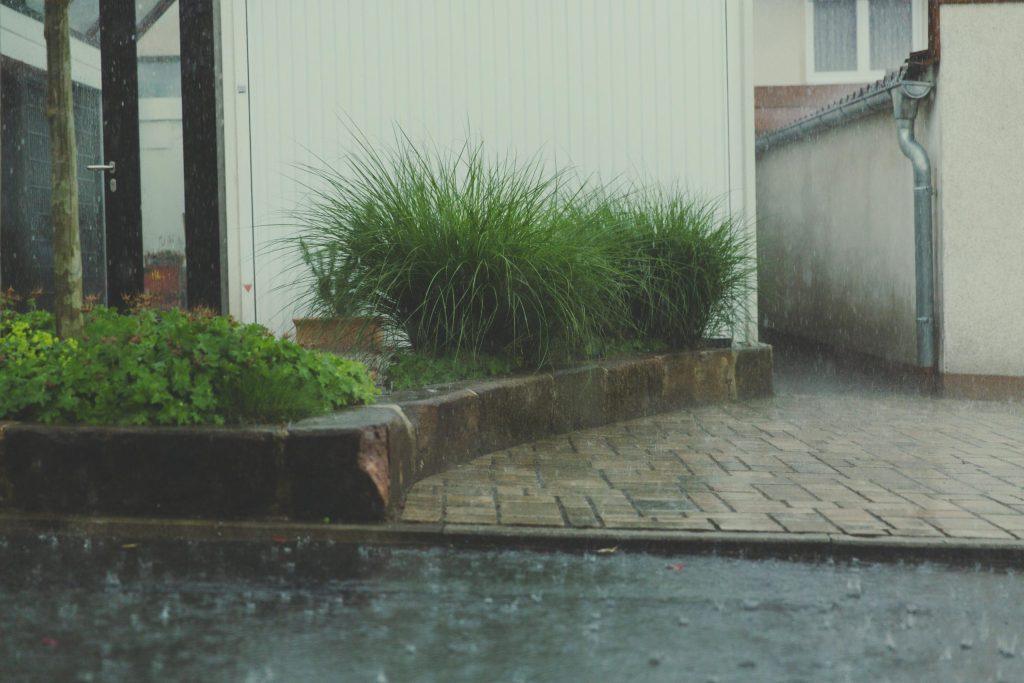
When it rains in most areas, the water lands on surfaces like roofs, roads, patios, and driveways. These don’t soak up much water and instead send it into gutters, drains, or to the lowest lying places, where it gathers rapidly. If it rains a lot, the water will travel quickly, increasing stormwater runoff and possibly overloading the drainage in the area.
Rain gardens are important because they change this. Experts in the environment say they’re essentially little areas with plants in them and the runoff water will be slowed, spread around, and seep into the ground at a more reasonable pace. Because of this, the water isn’t as likely to all flood into the road or a storm drain at once.
This means rain gardens are valuable for both single houses, and for whole neighborhoods working to improve drainage over a period of time. Many little changes to the landscape, on lots of different properties, can all help with the wider drainage aims.
How rain gardens help reduce stormwater runoff
The main purpose of rain gardens is to reduce stormwater runoff by giving rainwater a place to go besides the street. A properly placed garden collects water from nearby surfaces and holds it long enough for the soil and plant roots to absorb part of it.
Water management specialists often note that runoff becomes a problem when water moves too quickly over land. Fast runoff can carry soil, debris, and pollutants into drains, streams, and local waterways. Rain gardens slow that flow and help filter some of what the water carries with it.
This filtering effect is one reason rain gardens are often included in neighborhood environmental planning. They do not solve every drainage problem, but they can improve how smaller rain events are handled at the local level.
Credit: Pixabay / Pexels
Why rain gardens support healthier neighborhood drainage
When a neighborhood drains well, the water is distributed through lots of things that help it along, not pushed into a small number of overly full routes. Rain gardens contribute to this by holding onto some of the water on the property, slowing it down and decreasing the amount of water rushing off of your yard.
City designers will often say that drainage isn’t simply about pipes and drains, but also about the ground, plants, how the land is angled, and the way the surface is shaped. Rain gardens improve overall drainage in a neighborhood by working with the land, rather than relying totally on constructed systems.
If you get puddles that hang around, small floods, or water running off really quickly after a storm, rain gardens can be a straightforward, obvious way to lessen the pressure of water on the surface.
How plants and soil make rain gardens effective
Rain gardens work because of the relationship between soil, roots, and water movement. The soil in a rain garden is usually chosen or improved so that water can soak in rather than remain standing for too long. Plants help by stabilizing the soil and creating root pathways that support absorption.
Landscape professionals often recommend using hardy plants suited to both wet and dry conditions, since rain gardens may be wet after storms and much drier between them. This balance matters because the garden needs to handle changing conditions without becoming difficult to maintain.
Experts also note that plant choice affects performance. Deep-rooted vegetation can often support better water movement and soil structure than shallow decorative planting alone.
What rain gardens can and cannot do
Rain gardens are helpful, but they won’t by themselves stop big floods. Water specialists regularly point out they’re intended to deal with relatively small or medium amounts of water coming off of roofs, pavements and so on, not really major flooding or places with seriously broken drainage.
Their location is important to consider carefully. You shouldn’t put a rain garden right against a building’s foundation, near a septic system, or anywhere that water pooling would cause difficulty. A successful rain garden’s design will take the land’s incline, the kind of soil there, and the volume of water being sent to it into account.
Because of all this, rain gardens are generally thought of as one element within a wider plan for managing water locally, not a total solution for drainage. They are at their most powerful when used with other sensible approaches like surfaces that water can pass through, trees, and making sure drainage systems are looked after.
Credit: Lisa Fotios / Pexels
What experts recommend for successful rain gardens
Most professionals suggest beginning by looking at the land itself. It’s a good idea to see where water goes by itself when it rains, and for a while afterwards. This will show you if the garden’s location already has somewhere water likes to gather, or if water is rushing over some areas.
Those with knowledge of landscaping and water flow also say to select plants that are suited to your area, don’t put the garden on a very steep slope, and ensure the water soaks away within a sensible amount of time after rainfall. The purpose of a rain garden is to hold onto water for a little while, but it shouldn’t be a soggy pond for ages.
If you plan a rain garden to work with the specifics of where you live, it can help with drainage in the whole neighbourhood, lower the amount of runoff, and give you a nice green area to enjoy.
Frequently Asked Questions
Q: What are rain gardens?
A: Rain gardens are shallow planted areas designed to collect and absorb rainwater runoff from nearby hard surfaces.
Q: How do rain gardens reduce stormwater runoff?
A: They slow water down, allow more absorption into the soil, and reduce how much runoff moves quickly into streets and drains.
Q: Do rain gardens help prevent flooding?
A: Experts often explain that rain gardens can help with smaller runoff problems, but they are not a full solution for major flooding on their own.
Q: What plants work best in rain gardens?
A: Plants that can handle both wet conditions after storms and drier periods between rainfall are often the most suitable choice.
Key Takeaway
Rain gardens lessen the amount of water from rain that rushes off into storm drains, and they do this by letting the water soak into the ground more easily, specifically in areas around houses and communities. A lot of specialists say they’re a sensible solution for dealing with water locally, as they improve how well neighbourhoods are drained in a straightforward, natural fashion. For them to be most effective, they need to suit the particular place they’re in and ideally be used with other methods that help water drain. Learning about rain gardens is a good way to see how even relatively small changes to what our yards and areas look like can help the local environment thrive.