
In a lot of places, evenings are getting warmer, and this is something we’re really starting to see, particularly during long, hot summers and when heat waves happen one after another. We tend to focus on the heat of the day, but heat at night is equally of a problem; it’s bad for sleep, for being comfortable in your house, and for the chance for your body and your house to get back to normal for the next day.
Experts in climate, sleep and making buildings use energy wisely all say nighttime heat is important because both you and your home need to get cooler to ‘recharge’. If it doesn’t cool down at night, people don’t sleep as well, use a lot more power for air conditioning, and start the following day more tired.
Why warmer nights matter more than many people expect
We’re much more aware of heat during the day because it changes what we do outside, how we get around, and our jobs. Warmer nights seem calmer, but the effects of that warmth actually hang around for longer. High temperatures at night can change how well you sleep, your emotional state, your ability to concentrate, and how comfortable you are overall.
Those who understand sleep and temperature will tell you that it’s easier to have a solid night’s rest when it’s cooler at night. If your bedroom is too warm, you’ll likely struggle to get to sleep and your sleep will be more restless. And even if you are in bed for a sufficient time, you won’t be getting as restorative a sleep.
This is why warmer nights are about more than just being cozy; they’re connected to how you’re doing and how you get through the next day, and this is especially true when the heat doesn’t let up.
How warmer nights affect sleep and recovery
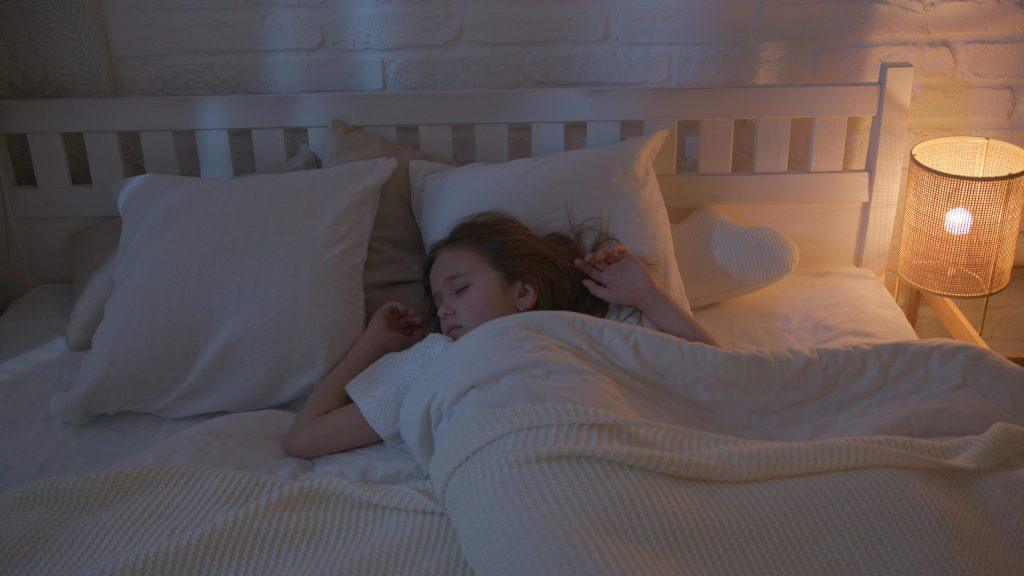
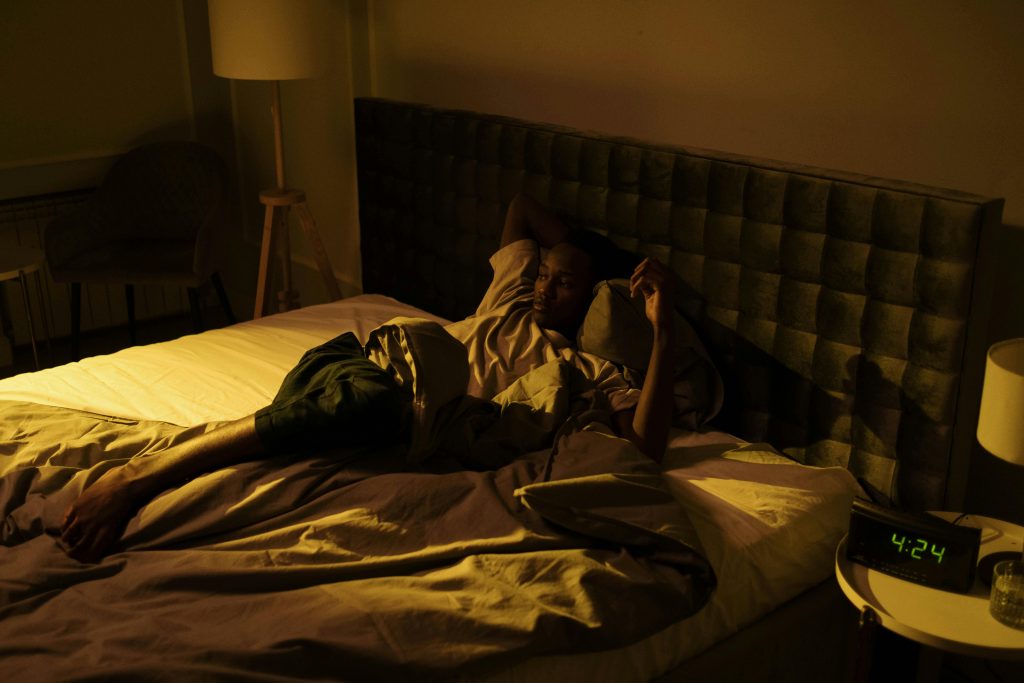
You’ll generally sleep much better if your bedroom isn’t too hot, or too cold, but is at a comfortable temperature. If it’s hot all night, your body might have trouble cooling down sufficiently for a good, peaceful sleep. This can mean you find yourself turning over a lot, being disturbed and waking in the night, or getting up earlier than you intended.
Experts in sleep say that getting enough rest isn’t just about being in bed for a certain number of hours; temperature influences how soundly and consistently you sleep. When the nights are warm, you’re less likely to feel physically restored, and this is especially true if you’re already feeling the effects of the heat during the day.
The effects of nighttime heat can be even harder for children, older people, and families who don’t have good air conditioning, or other ways to effectively and rapidly make the inside of their homes cooler.
Credit: cottonbro studio / Pexels
Why nighttime heat changes home comfort
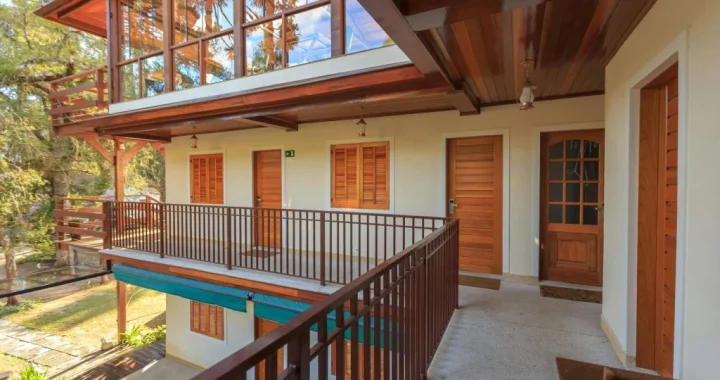
Many houses are built assuming the temperature will drop at night after a hot day. But if it doesn’t get cooler, heat will stay inside for longer; the warmth absorbed by walls, ceilings and floors will slowly be given off for hours after the sun goes down.
Experts in buildings frequently say that older houses and apartments are likely to be warmer at night. This is because they often don’t have good enough insulation, airflow or sun protection for many hot evenings in a row. And in cities with lots of buildings, pavements and other surfaces outside will also hold onto the heat, making things warmer indoors.
As a result, people will likely need to use fans or air conditioning for a longer stretch of the night. This increases how much electricity is used, and cooling down during the hottest time of year becomes more costly.
How warmer nights affect daily routines the next day
When you don’t sleep well because it’s hot at night, it changes what you do during the day, and usually in ways you don’t even realize. You’ll probably be quicker to get annoyed, have a harder time concentrating, or simply be more exhausted. Being outside to do things will be more difficult, and if the heat goes on and on, your normal work or school schedule will start to be unpleasant.
Experts in health and the environment say that sleep at night is when your body gets itself back to normal and is important for being able to cope with the day’s temperatures. If you don’t cool down enough while you’re sleeping, the effects of the heat will get worse over several days.
This is why a long stretch of hot weather feels so much tougher than just one hot afternoon: you don’t have the chance to truly recover from the heat from one day to the next.
Why cities often experience stronger warmer nights
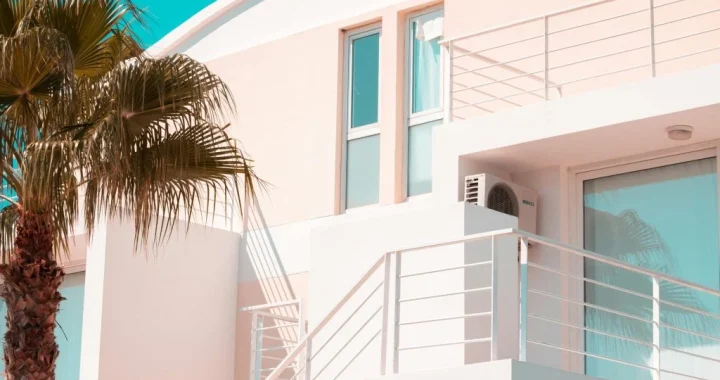
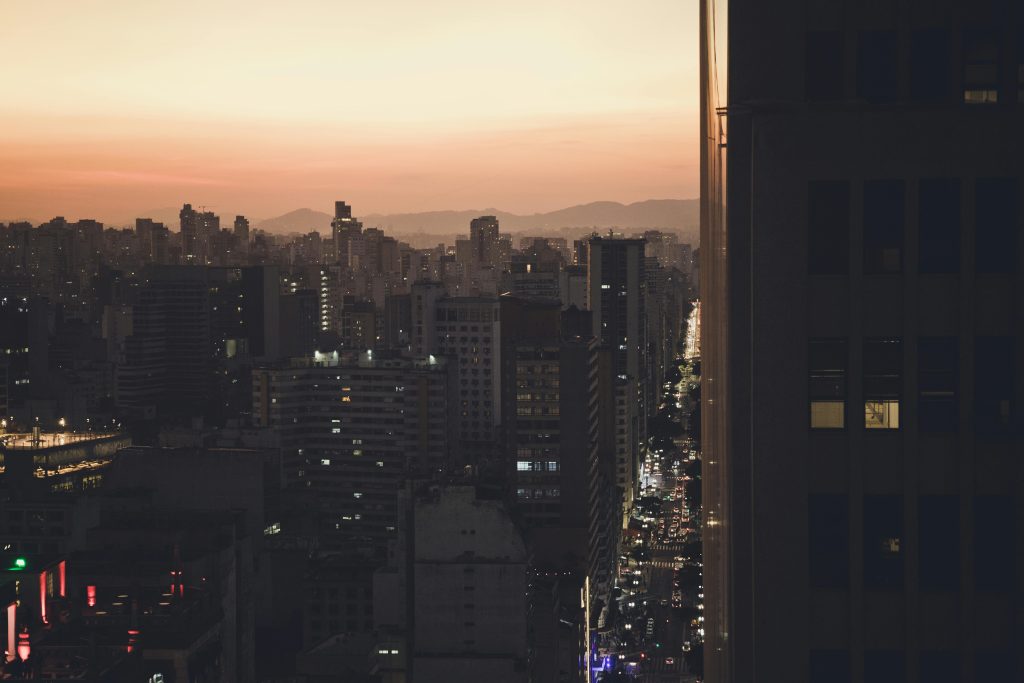
At night, cities are frequently warmer than the countryside or places with lots of plants. This happens because things like pavements and buildings collect heat during the day and slowly give it off after the sun goes down. This is very closely connected with the ‘urban heat island effect’.
When looking at climate in cities, researchers generally say that more trees, bare earth, and buildings being further apart all allow spaces outside to cool down more rapidly as evening approaches. However, in areas with lots of concrete and not much shade, temperatures don’t fall as much overnight.
Because of this, cities don’t get the same cooling at night everywhere. Some parts of a city don’t get much of a break from the heat, and this can impact how comfortable people are, how much energy is used, and even how at risk public health is.
Credit: Rafael Rodrigues / Pexels
What experts recommend for dealing with warmer nights
To get a place cooler, experts generally have easy to do ideas that don’t change your life a lot. You might shut blinds in the sun, get air moving in the evening if you can, use fans wisely, and cut down on heat from things in the house late at night.
People who know about buildings also say to improve shade, make sure hot windows are sealed well if they’re letting in too much heat, and think about which rooms you’re in. After dark, a room in some houses will be a lot colder than others. You can get by a lot more easily on several hot nights in a row if you spend more time in the coolest part of the house.
And when you think about the whole neighborhood, trees, buildings which are designed to be cooler, and public areas that aren’t as hot are all things that can lessen the general effect of being hot at night. Hotter nights are something that affects you at home, but they’re also about how areas are designed and how they’re constructed.
Frequently Asked Questions
Q: Why do warmer nights make sleep harder?
A: Warmer nights can make it harder for the body to cool down, which may reduce sleep comfort and increase nighttime waking.
Q: Are warmer nights only a summer issue?
A: They are most common during hot seasons and heat waves, but repeated warm evenings can happen whenever local weather stays above normal nighttime temperatures.
Q: Why are warmer nights stronger in cities?
A: Buildings, roads, and paved surfaces store heat during the day and release it slowly after sunset, which keeps urban areas warmer at night.
Q: Can warmer nights increase home energy use?
A: Yes. Households may run fans or cooling systems longer when indoor spaces do not cool down naturally in the evening.
Key Takeaway
When nights get warmer, it’s not just about being comfortable; they really mess with how well you sleep, mean you’ll probably need your air conditioning more, and make it harder to get things done during the day because you haven’t rested properly. In fact, many professionals who study this believe that how hot it is at night is a big factor in how climate and the way cities are laid out affect our everyday lives. We can lessen the problem with improved practices at home and with more thoughtful design of communities. And knowing about warmer nights means families can cope much better when the hot weather lasts and lasts.