
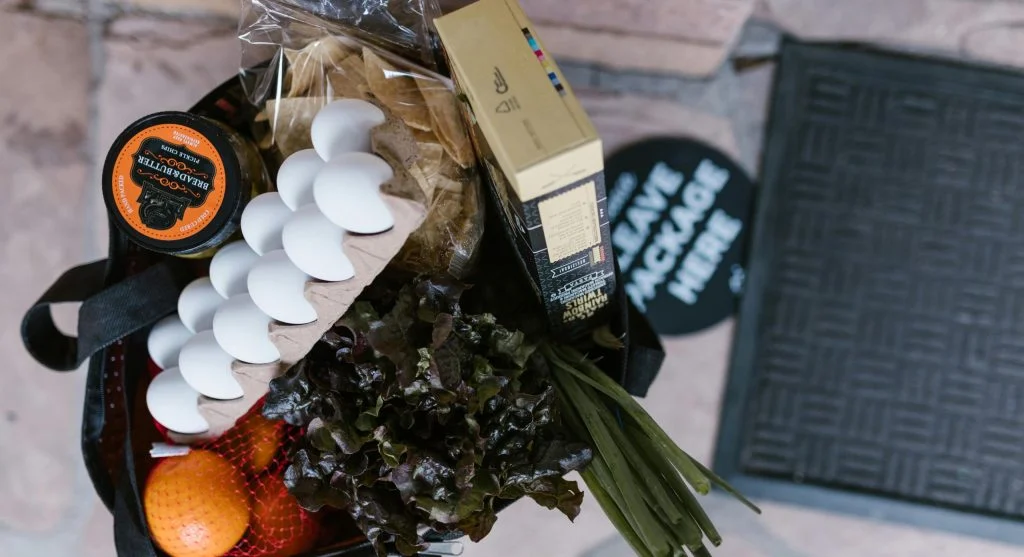
Keeping reusable shopping bags near the door helps households waste less because most bag decisions happen during rushed departures, not during calm planning. A person may fully intend to avoid extra disposable bags, but if the reusable ones are hidden in a closet, buried in a car trunk, or left in another room, that good intention often disappears right when it is needed most.
Waste reduction educators, home organization specialists, and behavior researchers often explain that everyday low-waste routines work best when the easiest option is also the most visible one. Reusable bags are most effective when they are placed exactly where people naturally pause before leaving the house. That is why keeping reusable shopping bags near the door often matters more than how many bags a household owns.
Why keeping reusable shopping bags near the door matters in daily life
Most people do not forget reusable bags because they do not care. They forget because the leaving-the-house routine moves quickly. Someone may be thinking about keys, phone, wallet, children, errands, timing, and traffic. In that moment, even one small item can be missed if it is not already part of the visible exit pattern.
Behavior experts often explain that keeping reusable shopping bags near the door matters because it puts the reminder right where the action happens. Instead of depending only on memory, the home itself provides the cue. The bags become part of leaving, rather than one more thing to remember from somewhere else.
This is important because low-waste habits often fail because of friction, not a lack of motivation. The farther the bag is from the exit, the more chances there are for the habit to break down.
How keeping reusable shopping bags near the door helps households waste less
Keeping reusable shopping bags near the door helps households waste less by lowering the chance of last-minute disposable bag use. When the bags are visible and easy to grab, they are much more likely to leave the house at the exact time they are needed. This reduces the chance of accepting paper or plastic bags simply because no better option is available in the moment.
Waste reduction specialists often note that small repeated packaging choices matter over time. One extra disposable bag may seem minor, but weekly grocery trips, pharmacy stops, produce runs, and quick purchases can add up quickly. A simple entryway habit can stop many of those one-use items from entering the home in the first place.
This is why the bag’s location often matters more than people expect. The best bag is the one the household actually remembers to take out the door.
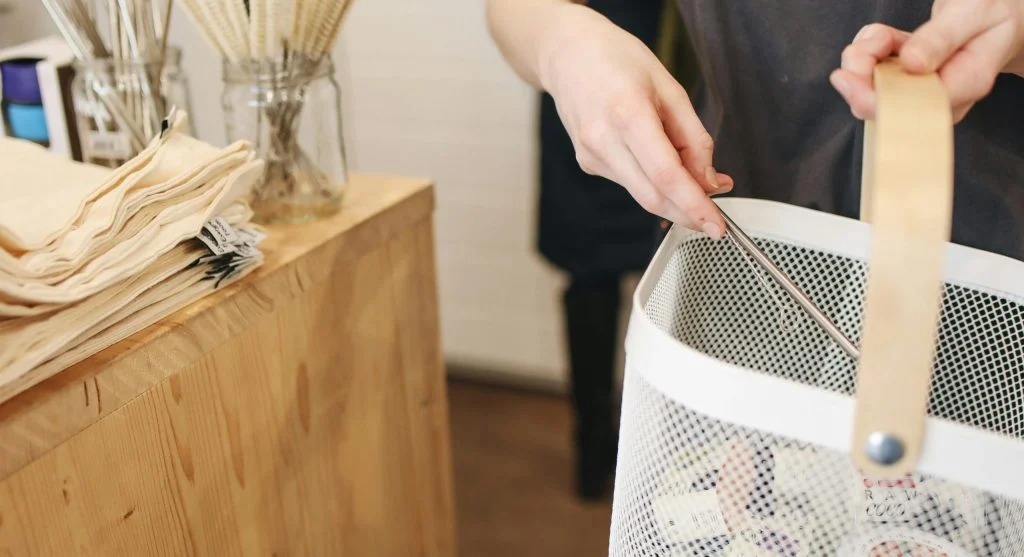
Why reusable bags are often forgotten even in low-waste homes
Even low-waste households often forget reusable bags because the issue is usually placement, not awareness. A family may own several good bags and truly prefer using them, yet still leave home without them if those bags are stored somewhere disconnected from the real shopping routine.
Home organization researchers often explain that people tend to remember objects that live beside related actions. Keys stay near the exit because leaving requires keys. Shoes often stay near the door because going out requires shoes. Reusable bags work better when they follow the same logic. If they live in a back cupboard, they are part of storage. If they live near the door, they become part of movement.
This is one reason the same household can care deeply about reducing waste and still forget bags again and again. The system is not guiding the habit in the right direction.
How visible placement supports stronger everyday low-waste routines
Everyday low-waste routines become stronger when they are built into normal movement instead of added as extra mental work. Visible placement helps because it reduces the need to rely on memory. A bag hanging near the door or folded in an easy-to-reach basket becomes a cue the household does not have to create from scratch every time.
Behavior specialists often note that the strongest habits usually include a clear trigger. Seeing the bag while reaching for shoes or keys can become that trigger. Over time, leaving the house and taking a reusable bag start to feel connected. That is when the routine becomes more reliable and less dependent on motivation.
This matters because waste reduction tends to last when it becomes ordinary. A bag near the door turns one intention into one repeatable action.
Why entryway systems often work better than car-only storage
Some households keep all reusable bags in the car, and that can help in certain situations. But car-only storage can fail when bags are removed after unloading and never returned, or when different family members leave the house in different ways. An entryway system often works better because it supports the home side of the routine, where forgetting usually begins.
Home efficiency advisers often explain that a visible indoor location creates a reset point. After groceries are unpacked, the bags can go back to the same hook, basket, or shelf near the exit. This makes the next trip easier to prepare for because the routine restarts immediately instead of depending on later effort.
That is why keeping reusable shopping bags near the door often feels more reliable than trusting that they will always stay in the car. The household can see the system working in real time.
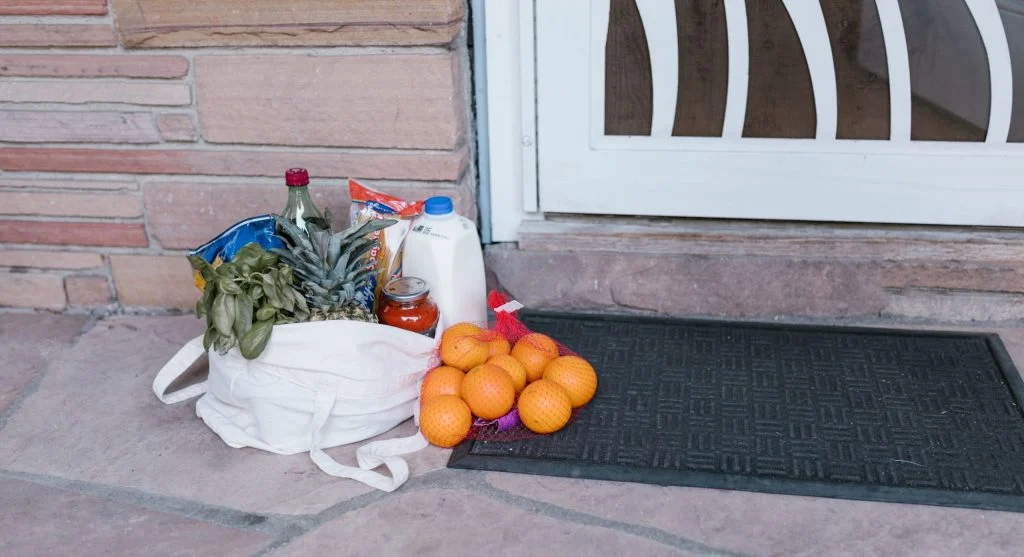
What experts recommend households notice first
Experts usually recommend paying attention to where the bag habit breaks down. If a household often remembers reusable bags only after leaving home, or thinks of them only when arriving at the store, the exit cue is probably too weak. The solution is usually not buying more bags. It is placing the existing ones where the reminder happens sooner.
Organization specialists also suggest keeping the entryway system simple. One hook, one basket, or one shelf is often enough. The bags should be easy to grab without opening several doors or moving other items first. The goal is not to create a perfect storage display. The goal is to make the reusable bag easier to remember than a disposable one.
These details matter because practical routines usually improve through placement before they improve through discipline.
Why keeping reusable shopping bags near the door fits practical lower-waste living
Practical lower-waste living often depends on small systems that reduce repeat waste before it begins. Keeping reusable shopping bags near the door fits that idea because it prevents unnecessary packaging at the exact moment it would otherwise enter the household. It asks for very little effort once the setup is in place, yet it can influence many errands over time.
Waste reduction researchers often explain that visible systems are usually stronger than invisible intentions. A reusable bag near the exit is a visible system. It turns the home into a quiet reminder that supports better choices automatically. Over many trips, that simple placement can reduce waste more effectively than a bigger plan that is harder to follow under real-life pressure.
That is why keeping reusable shopping bags near the door helps households waste less. It moves the habit into the path of everyday life, where low-waste choices are most likely to succeed.
Frequently Asked Questions
Q: Why does keeping reusable shopping bags near the door reduce waste?
A: It reduces waste by making reusable bags easier to remember and easier to grab before errands, which lowers disposable bag use.
Q: Is placement really more important than owning many bags?
A: In many cases, yes. Experts often explain that a few visible bags in the right place work better than many forgotten bags in storage.
Q: Where near the door should reusable bags be kept?
A: Hooks, baskets, or a small shelf near keys, shoes, or other daily essentials often work best.
Q: Should households still keep some bags in the car?
A: They can, but many people find an entryway reset point more reliable because it supports the leaving-home part of the routine.
Key Takeaway