

A simple borrow list can help households cut down on unnecessary buying because many items are only needed once in a while, not often enough to make owning them worthwhile. A ladder, extra folding chairs, a specialty baking pan, a power tool, or a carpet cleaner may seem useful at the time, but these items often spend most of their life sitting unused in closets, garages, or storage areas.
Waste reduction educators, circular economy researchers, and home organization specialists often explain that reducing everyday waste is not only about what households throw away. It is also about what they bring into the home when they do not really need to. A simple borrow list helps by reminding the household which occasional-use items may be better shared, borrowed, or checked for availability before buying something new.
Why a simple borrow list matters in everyday household decisions
Most unnecessary buying happens during a quick decision moment. A task comes up, people assume they need a certain item, and buying it feels like the fastest fix. In many cases, that item may only be needed for one afternoon or one short project. After that, it becomes another object to store, look after, and eventually clear out.
Home behavior experts often explain that a simple borrow list matters because it interrupts that automatic assumption. Instead of going straight from “I need this now” to “I should buy it,” the household adds one extra question: “Could we borrow this instead?” That small pause can often change the decision.
This matters because many homes slowly fill with low-use objects that seemed necessary once but rarely prove useful for long. A borrow list helps make those patterns easier to notice before they happen again.
How a simple borrow list helps reduce unnecessary household buying
A simple borrow list helps reduce unnecessary household buying by pointing out the kinds of items that are not regular household essentials. These are usually objects with one of two qualities. They are either used very rarely, or they are helpful for one specific task but not much beyond that. Once the household recognizes these patterns, buying becomes easier to question.
Circular living researchers often note that unnecessary buying usually comes from poor timing, not poor judgment. The need feels urgent, so owning the item seems practical. Yet many occasional-use items are already available through family, neighbors, friends, or community-based sharing systems. A borrow list helps the household remember that access does not always have to mean ownership.
That is one reason this habit works well. It shifts attention from possession to purpose. The goal becomes completing the task, not automatically adding another object to the home.
Why occasional-use items often become clutter quickly
Occasional-use items often become clutter because they have no active purpose once the task is finished. A tool used once for a small repair, a serving item used for one gathering, or a specialty cleaning device used for one season may still work perfectly well, but it can spend months or even years taking up space. Over time, these items make storage harder to manage.
Home organization specialists often explain that clutter is not only about how many things a home contains. It is also about how often those things are used. An item that supports daily life earns its place more easily than something that sits untouched while still taking up shelf space, attention, and cleanup time. A simple borrow list helps households prevent this kind of buildup before it starts.
This is why shared-use thinking often supports both waste reduction and calmer home organization. The less often an item is truly needed, the stronger the case becomes for borrowing instead of owning.
How shared-use habits support lower everyday waste
Shared-use habits support lower everyday waste because they reduce duplicate production, duplicate packaging, and the gradual disposal of items that were barely used. If several households each buy a product they only use once or twice a year, the total material demand grows much faster than the actual practical need.
Waste reduction experts often explain that shared access is one of the clearest examples of circular living in everyday life. A simple borrow list supports this idea by helping the household notice which items fit a shared-use model. The list does not have to be long. It only needs to highlight the categories that repeatedly tempt people into buying more than they truly need.
This may include tools, event supplies, specialty kitchen items, storage equipment, seasonal gear, and many small objects that are useful but not necessary for every household to own individually.
Why a written borrow list works better than memory alone
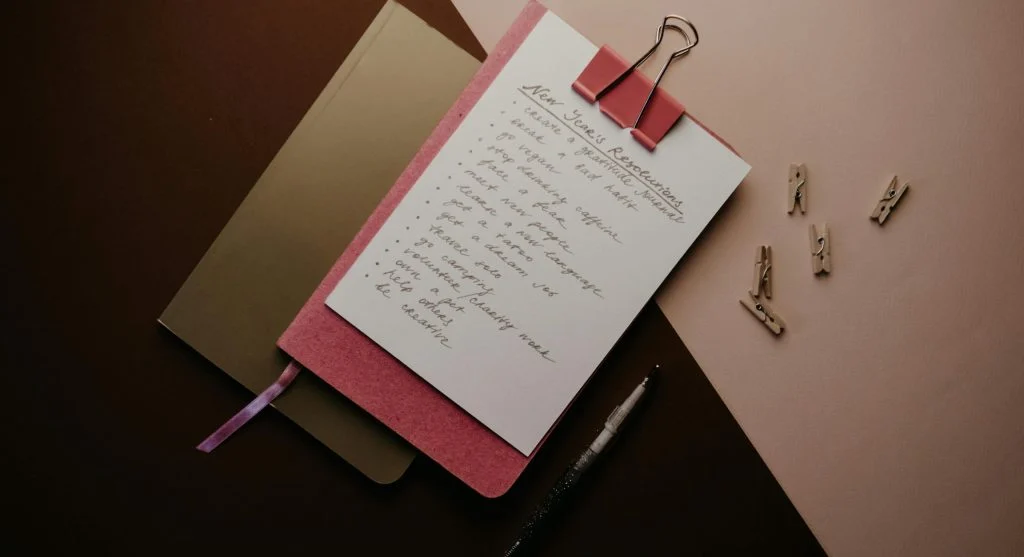
Many people already know that borrowing is a good idea, but memory can be weak in the moment of need. When a project begins or an event is coming up, the household often defaults to buying because it feels quicker and more certain. A written borrow list works better because it keeps the borrowing option visible before the purchase happens.
Behavior researchers often explain that written prompts are especially helpful when they reduce repeated decision pressure. A simple borrow list can remind the household that ladders, party supplies, large tools, and specialty kitchen equipment may already belong in a borrow-first category. Once that category is written down, the brain does not have to come up with the idea from scratch every time.
This is why a list often works better than a general intention. It turns a broad value into a practical decision tool.
What experts recommend households put on a borrow-first list
Experts usually recommend starting with items that are useful, bulky, or costly to store but not needed very often. Common examples include ladders, drills, carpet cleaners, party tables, folding chairs, specialty pans, coolers, and seasonal yard equipment. These items often create more storage pressure than daily value when every household buys its own version.
Waste and organization advisers also recommend keeping the list realistic. The goal is not to borrow everything. The goal is to identify the categories where ownership is rarely necessary. A short, useful list often works better than a long ideal list because households are more likely to check it before buying.
This practical focus matters. The strongest systems usually begin with the items that show the clearest pattern of low use and high clutter potential.
Why a simple borrow list fits practical circular living
Practical circular living works best when households use fewer resources to meet the same real needs. A simple borrow list supports that goal by encouraging access before ownership for low-use objects. It helps people solve the task in front of them without automatically expanding what they own, store, and eventually throw away.
Circular economy researchers often explain that waste is often prevented long before disposal. It starts with choosing not to duplicate a product that already exists and may be available for shared use. A simple borrow list turns that idea into one household tool that is easy to understand and repeat.
That is why a simple borrow list can reduce unnecessary household buying more than people may expect. It supports lower everyday waste by making better use of what already exists instead of assuming every short-term need requires a new purchase.
Frequently Asked Questions
Q: What is a simple borrow list?
A: A simple borrow list is a short list of occasional-use household items that are better checked for borrowing before being bought new.
Q: Why does a borrow list reduce unnecessary buying?
A: It reminds households that some items are needed only briefly and may be easier to borrow than to own permanently.
Q: What types of items belong on a borrow-first list?
A: Experts often recommend low-use items such as ladders, drills, carpet cleaners, folding chairs, and specialty kitchen tools.
Q: Does a borrow list help with clutter too?
A: Yes. It often reduces clutter by preventing infrequently used items from entering the home in the first place.
Key Takeaway