
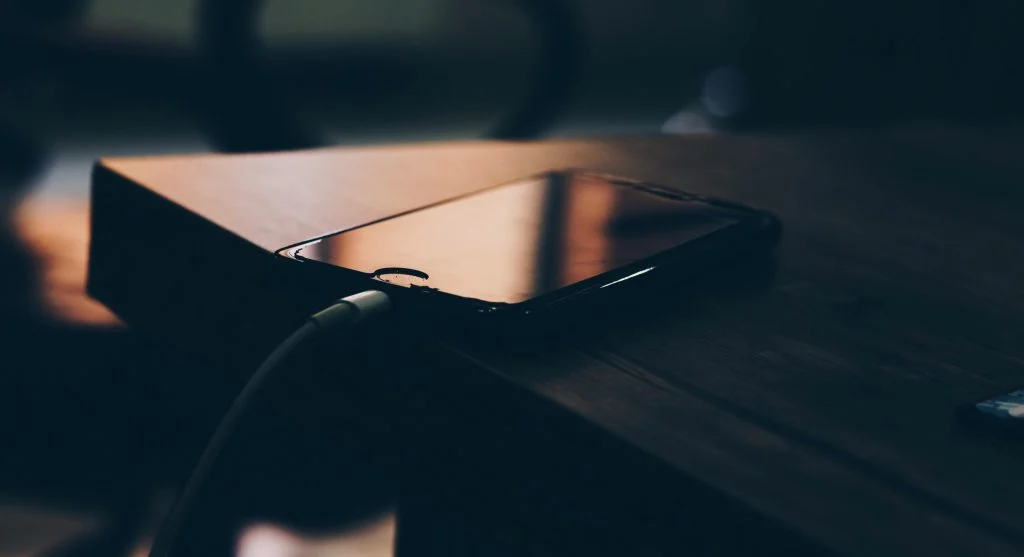
Evening device charging habits can change home energy use more than many households expect because charging often happens during the same hours that other electricity demand is already high. Phones, tablets, laptops, watches, battery packs, and other personal devices may each seem minor on their own, yet they often join cooking, lighting, cooling, laundry, and entertainment at the busiest part of the day.
Energy analysts, home efficiency advisers, and grid planners often explain that timing matters as much as total use in many households. Evening device charging habits are a useful example because they are small, repeated, and easy to overlook. Once many of them happen together in the same window, they become part of a larger daily demand pattern that shapes how the home uses electricity.
Why evening device charging habits matter in daily home life
Many people charge personal devices out of routine rather than actual need. A phone is plugged in when someone gets home. A tablet is connected after dinner. A laptop is charged overnight whether it is nearly full or nearly empty. Wireless earbuds, watches, and battery packs may also join the same routine. None of these actions feels important in isolation, which is why the total pattern is easy to miss.
Home energy specialists often explain that evening device charging habits matter because they stack onto an already crowded part of the day. The household may already be using more electricity for lighting, cooling, cooking, and screens. Adding several small charging tasks at the same hour can make demand more concentrated than it needs to be.
This is one reason charging routines are worth noticing. The issue is not that charging devices is wrong. The issue is that the timing often follows habit instead of actual need.
How evening device charging habits affect smoother electricity demand
Smoother electricity demand happens when the home spreads energy use more evenly instead of placing too much activity into one short period. Evening device charging habits can work against that pattern when several devices begin charging at the same time that the rest of the household is also at peak use. The result is not always dramatic by device, but the combined timing matters.
Energy researchers often note that households often focus only on larger appliances when thinking about busy electricity hours. Yet smaller devices can still contribute to the shape of demand because they are so common and so predictable. A home may plug in five or six items each evening without considering that this routine repeats every day alongside other electrical activity.
This is why evening device charging habits can change home energy use more than expected. Their impact comes from timing and repetition rather than from one large single load.
Why charging routines often happen during peak household hours
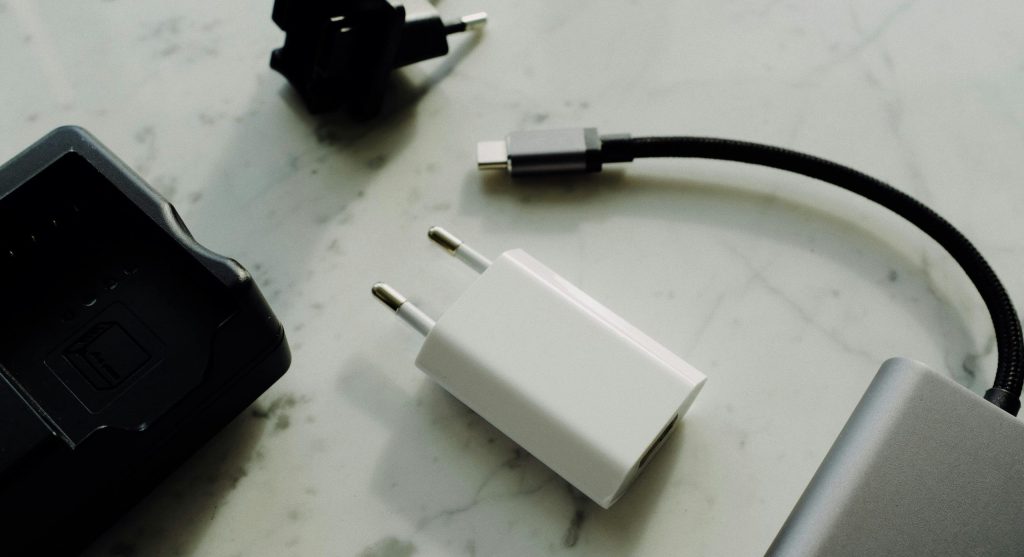
Charging routines often collect in the evening because that is when people reconnect with their devices at home. Phones are checked after work or school. Laptops return to desks. Tablets come out for reading or streaming. Since these items are nearby at the same time, the household often plugs them in together without much thought.
Behavior researchers often explain that routines follow convenience first. A person may charge a device because the cable is there, because the outlet is free, or because overnight charging feels automatic. This means evening device charging habits are often shaped more by habit and location than by the actual best time to charge.
That pattern matters because convenience-driven timing tends to repeat with little review. Once a charging corner becomes part of the evening routine, it often keeps adding to the same busy demand window every day.
How evening device charging habits connect to lower energy waste
Lower energy waste often begins with asking whether a routine is necessary in its current form. Some devices truly need charging in the evening, but others may not. A tablet used only a few times a week, a backup power bank, or a partly charged laptop may not need to join the busiest electricity hours automatically.
Energy advisers often explain that waste is not always about large obvious mistakes. Sometimes it comes from small repeated habits that no longer match real need. When evening device charging habits happen by default instead of by purpose, households may be adding avoidable overlap to already busy hours.
This does not mean every device must be charged at a different time. It means households can often reduce lower energy waste by noticing which charging tasks are urgent and which ones are simply automatic.
Why device charging is easy to ignore in home energy planning
Device charging is easy to ignore because each item feels light compared with an oven, dryer, or cooling system. That comparison is true in one sense, but it can hide the behavioral value of charging routines. Personal devices are everywhere in the home, and their timing is usually flexible. That makes them one of the easiest categories to improve if the household wants a smoother demand pattern.
Home efficiency specialists often note that the most useful energy changes are not always the biggest loads. Some are the loads that are easiest to shift without disrupting life. Evening device charging habits fit that description because they often involve multiple small tasks with flexible timing and little impact on daily comfort if adjusted thoughtfully.
This is why small categories deserve attention too. They may not dominate total use, but they can still shape how orderly or crowded the demand pattern becomes.
What experts recommend households notice first
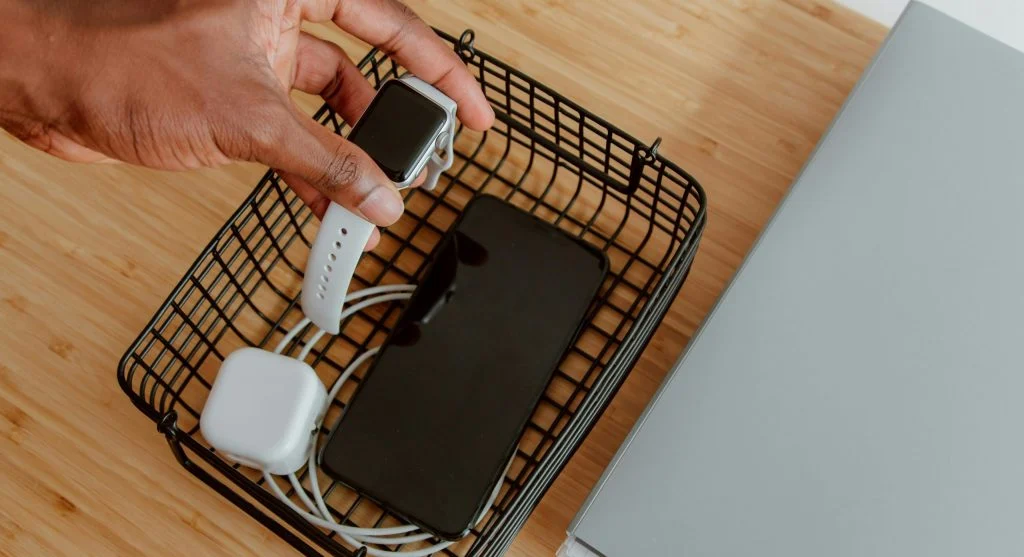
Experts usually recommend starting with visibility. A household can look at how many devices are typically connected after dinner, before bed, or overnight. If a charging area consistently fills with items every evening, that is a useful signal that the habit may be more automatic than necessary. Some devices may truly need that schedule, while others may only be following routine.
Energy specialists also suggest asking which items are charged from low battery and which are simply topped off out of habit. This difference often reveals where small improvements are possible. A home may not need to eliminate evening charging. It may only need to make that routine more selective and better timed.
These observations matter because the strongest changes are usually the simplest. Once the pattern is visible, the household can decide which charging habits support real need and which ones only add unnecessary overlap.
Why evening device charging habits fit practical home energy planning
Practical home energy planning works best when it follows normal behavior and adjusts the most flexible routines first. Evening device charging habits fit that approach because they are common, repeated, and often easy to review without changing the whole household. Small shifts in attention can support smoother electricity demand without making home life harder.
Energy researchers often explain that households do not always need a major upgrade to improve energy patterns. Sometimes they need clearer awareness of the routines already shaping their daily demand. Device charging is one of those routines. It sits quietly in the background, but it often reveals how much timing influences the bigger picture of home energy use.
That is why evening device charging habits matter more than they first appear. They are part of the way households build daily electricity patterns, and small improvements there can support a more balanced and practical home energy routine.
Frequently Asked Questions
Q: Why do evening device charging habits matter for home energy use?
A: They matter because many small charging tasks often happen during the same busy hours as cooking, lighting, cooling, and other household electricity use.
Q: Are charging devices in the evening always a problem?
A: No. Experts often explain that the issue is not charging itself, but whether too many devices are charging by habit during already busy electricity hours.
Q: What should households notice first?
A: A useful first step is checking how many devices are plugged in each evening and which ones truly need charging at that time.
Q: Can small charging habits really change electricity demand?
A: Yes. The biggest effect often comes from repetition and overlap, especially when many devices charge during the same part of the day.
Key Takeaway
Evening device charging habits matter because they often add small but repeated electricity demand during the busiest household hours. Experts often explain that smoother electricity demand and lower energy waste usually depend on timing, not only total use. Charging routines are flexible enough that simple observation can often reveal better patterns. Understanding evening device charging habits helps households build more intentional and balanced daily energy use.