
Freezing leftover bread can help households waste less food because bread often declines before people realize how much is still left. A loaf may begin the week with several planned uses, but changing schedules, extra meals away from home, or simply slower eating can leave slices sitting too long on the counter or in the bread box.
Food waste researchers, kitchen organization specialists, and home cooking educators often explain that bread is one of the easiest foods to lose through timing rather than neglect. Freezing leftover bread helps because it creates more time to use what is already in the home instead of letting a partly finished loaf become dry, stale, or mold-prone before the household is ready for it.
Why freezing leftover bread matters in everyday kitchens
Bread is a common staple in many homes because it fits breakfast, lunch, snacks, and quick dinners. That same convenience, however, often leads people to underestimate how quickly it can become waste. A loaf may seem harmless sitting on the counter for a few extra days, yet once quality begins to drop, the chances of using it often fall fast.
Kitchen routine experts often explain that freezing leftover bread matters because it interrupts that decline at a practical moment. Instead of waiting until the bread is already too dry or forgotten, the household moves it into longer storage while it is still useful. This simple step often preserves value that would otherwise be lost through delay.
This matters because bread waste is rarely dramatic. It often happens through a few unused slices at a time, repeated week after week.
How freezing leftover bread helps households waste less food
Freezing leftover bread helps households waste less food by extending the useful life of a product that often changes quickly once opened. A household may only need a few slices in the next day or two, but not the whole loaf. Freezing the remaining portion keeps it available for later meals instead of forcing the home to use it all at once.
Waste reduction specialists often note that food waste grows when storage time and eating time do not match. Bread is a strong example of this problem. The household may intend to finish it, but daily life may not cooperate. Freezing leftover bread helps solve that mismatch by making the storage window longer and more flexible.
This is one reason the habit works so well. It does not depend on perfect planning. It simply gives the household more room to use what it already bought.
Why bread is often wasted through small leftover amounts
Bread is often wasted in small amounts because people rarely throw away a full fresh loaf at once. More often, a few end slices remain, half a loaf is forgotten behind newer groceries, or several rolls are left after a family meal. These smaller leftovers are easy to overlook because they do not seem important in the moment.
Food waste educators often explain that these small losses matter because they are repeated so often. A household may assume that a few slices are not worth worrying about, yet over time those repeated leftovers add up. The problem is not only the bread itself. It is the pattern of leaving short-life staples unmanaged until they quietly lose value.
This is why freezing leftover bread helps more than people expect. It captures the small remaining portion before it becomes one more unnoticed waste pattern.
How freezing leftover bread supports practical kitchen planning
Practical kitchen planning works better when ingredients are available for real use, not just ideal use. A loaf bought for sandwiches may not be finished exactly on schedule. Freezing leftover bread allows the household to keep the unused portion for toast, soup sides, quick breakfasts, or later lunches without needing to buy a new loaf too soon.
Home cooking specialists often explain that this supports flexible meal planning. A few frozen slices may solve a busy morning later in the week, or leftover rolls may help complete a dinner without another shopping trip. The freezer changes bread from a short-term pressure item into a longer-term resource.
This matters because the strongest food systems at home are the ones that match everyday life. Freezing leftover bread helps bread fit a slower or less predictable schedule without becoming waste.
Why sliced storage often works better than freezing the whole loaf
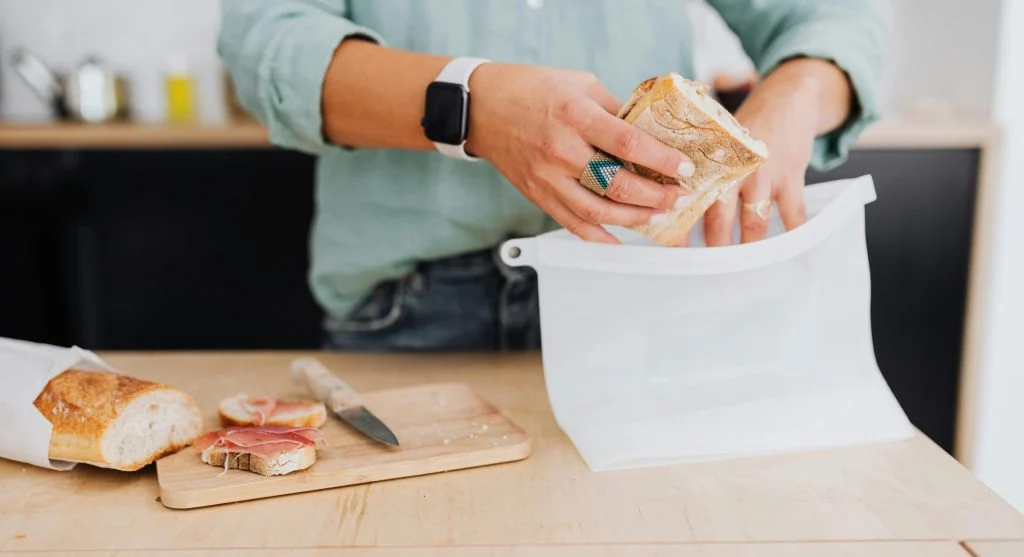
Many households find that bread is easier to use from the freezer when it is already sliced or divided into smaller portions. A whole loaf may still be useful in some homes, but smaller sections usually make later use more practical. The household can remove only what it needs rather than dealing with the entire loaf at once.
Storage specialists often explain that portioning matters because it lowers friction. A single slice or a few rolls are more likely to be used if they are easy to access. Bread that feels inconvenient to separate later may stay in storage too long or be forgotten again in a different form.
This is one reason freezing leftover bread works best when the storage method reflects real household habits. The easier it is to use later, the more likely it is to be used at all.
What experts recommend for better bread storage habits
Experts usually recommend deciding early whether the household will use the bread within the next few days. If the answer is unclear, freezing the extra portion sooner often works better than waiting for obvious staleness. This approach protects quality while the bread is still in good condition.
Food storage advisers also suggest keeping the process simple. A labeled freezer bag, divided portion, or one regular freezer spot is often enough. The goal is not to create a perfect bakery-style system. The goal is to make bread storage habits easy enough that they become part of normal kitchen behavior.
These small habits often matter because bread moves through the kitchen quickly. A routine that takes only a minute or two is usually the one most likely to last.
Why freezing leftover bread fits sustainable food routines
Sustainable food routines usually succeed when they preserve useful food before it declines. Freezing leftover bread fits that idea because it prevents one of the most common short-life staples from being wasted through slow use. The household still buys the food for a purpose, but freezing protects that purpose when life changes around it.
Waste reduction researchers often explain that stronger kitchen systems are often built through modest habits like this one. Freezing leftover bread does not require major lifestyle change, yet it can reduce repeated small waste and make daily food use more flexible. That is often how real food progress happens at home.
That is why freezing leftover bread can help households waste less food over time. It turns a quietly perishable staple into a more manageable part of practical kitchen planning.
Frequently Asked Questions
Q: Why does freezing leftover bread reduce food waste?
A: It reduces waste by giving bread a longer useful storage time before it becomes stale or mold-prone.
Q: Is it better to freeze bread before it goes stale?
A: Yes. Experts often explain that earlier freezing usually protects better quality than waiting until the bread has already declined.
Q: Should households freeze a whole loaf or smaller portions?
A: Smaller portions often work better because they are easier to use later without thawing more bread than needed.
Q: Does freezing leftover bread fit practical meal planning?
A: Yes. It helps households keep bread available for later meals without needing to buy another loaf too soon.
Key Takeaway
Freezing leftover bread helps households waste less food because it extends the useful life of a staple that often declines before people are ready to finish it. Experts often explain that bread storage habits work best when they match real daily schedules instead of ideal plans. A simple freezer routine can preserve small leftover amounts that would otherwise be lost. Understanding the value of freezing leftover bread helps build a more practical and lower-waste kitchen over time.