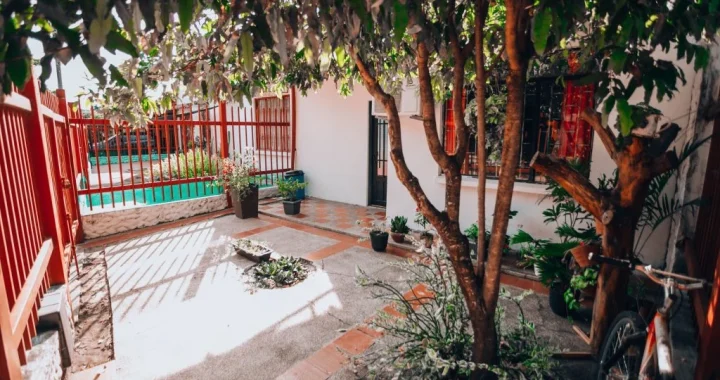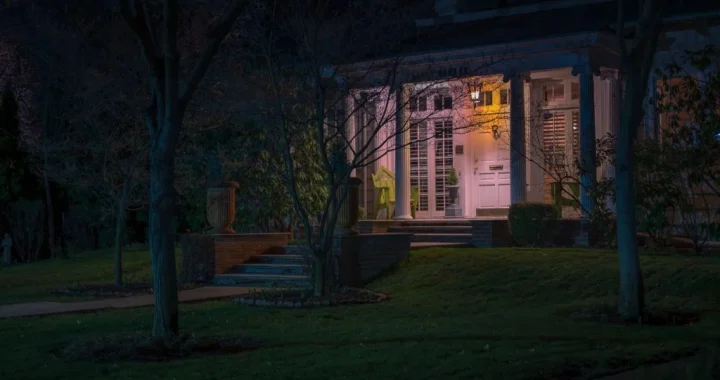


Small front yard trees can cool entry areas more than many people expect because the hottest parts of a home exterior are often the places people use most often. Walkways, front steps, doors, mail areas, and driveway edges can absorb strong sunlight for hours and then release that heat back into the air. Even a modest amount of tree shade can make these areas feel less exposed.
Urban climate researchers, landscape planners, and building specialists often explain that home comfort begins outside the front door as much as inside it. Small front yard trees matter because they can reduce direct sun on surfaces people touch and use daily, helping entry spaces feel calmer, cooler, and easier to move through during warm weather.
Why small front yard trees matter around entry spaces
Front entry areas are often small but heavily used parts of the home landscape. People stand there while unlocking doors, collecting deliveries, greeting visitors, or carrying groceries. If the space sits in direct sun, it can feel surprisingly harsh even when the yard itself seems manageable.
Landscape experts often explain that small front yard trees matter because they can improve comfort exactly where the household notices heat most clearly. A tree does not need to shade the whole property to be useful. If it softens sunlight on the front path, stoop, or doorway, the everyday effect may be more noticeable than people expect.
This is one reason tree placement near entry zones is often treated as a practical design choice rather than a decorative one. The shade changes how daily movement through the home feels.
How small front yard trees help cool entry areas
Small front yard trees help cool entry areas by blocking part of the sunlight that would otherwise strike concrete, brick, stone, or painted surfaces directly. When those surfaces receive less sun, they usually heat up less and release less warmth into the surrounding air later in the day.
Urban heat specialists often note that this matters because entry areas are usually surrounded by hard surfaces. Steps, porch edges, railings, paved walkways, and nearby walls all respond strongly to direct sun. A small tree placed in the right position can reduce how much solar heat reaches those materials, which improves local comfort at walking and standing height.
This is why entry cooling often depends on shade more than people realize. The heat problem is often surface-based before it becomes an air problem.

Why hard surfaces near doors often feel hotter than expected
Hard surfaces near doors often feel hotter than expected because they absorb sunlight for hours and can hold that heat well into the afternoon. A front step may become uncomfortable to stand on. A door area may feel bright and close. Even the wall beside the entry can reflect heat back toward the person using the space.
Building advisers often explain that this effect becomes stronger when the entry faces long hours of direct sun and has little nearby greenery. Without shade, the entire area may begin acting like a small heat pocket. This can make short tasks, such as getting the mail or carrying groceries inside, feel more tiring than they should.
Small front yard trees help interrupt this process by breaking direct sun before it reaches the most heat-sensitive entry surfaces.
How home shade benefits extend beyond the yard itself
Home shade benefits often begin outside but do not end there. If a small front yard tree shades part of the wall, porch, or window near the entrance, it may also reduce how much warmth builds just inside that area of the house. The effect may be modest, but repeated over many sunny days it can shape how the front of the home feels.
Building researchers often explain that outdoor shade can support indoor comfort by reducing how much solar heat reaches exterior materials in the first place. A cooler wall or shaded window area usually contributes less heat to the rooms behind it. This is one reason well-placed trees are often discussed as part of practical home comfort planning.
The value is not only in making the yard look greener. It is in changing how the home and its outdoor edges respond to sun over time.
Why small trees can still make a large comfort difference
Some households assume only large mature trees are useful for cooling, but experts often explain that smaller trees can still make a meaningful difference when placed near highly used zones. A young tree with a modest canopy may not shade the entire front lawn, yet it can still soften sun on a walkway, porch edge, or seating spot.
Landscape planners often note that comfort is often local. A few feet of useful shade at the right location may do more for everyday life than broader shade in a part of the yard no one uses often. This is why small front yard trees can matter so much near entries, where people repeatedly interact with the same patch of outdoor space.
This helps explain why even limited tree cover can change the feel of a home entrance in practical terms. The cooling effect does not need to be huge to be noticeable.
What experts recommend households notice first
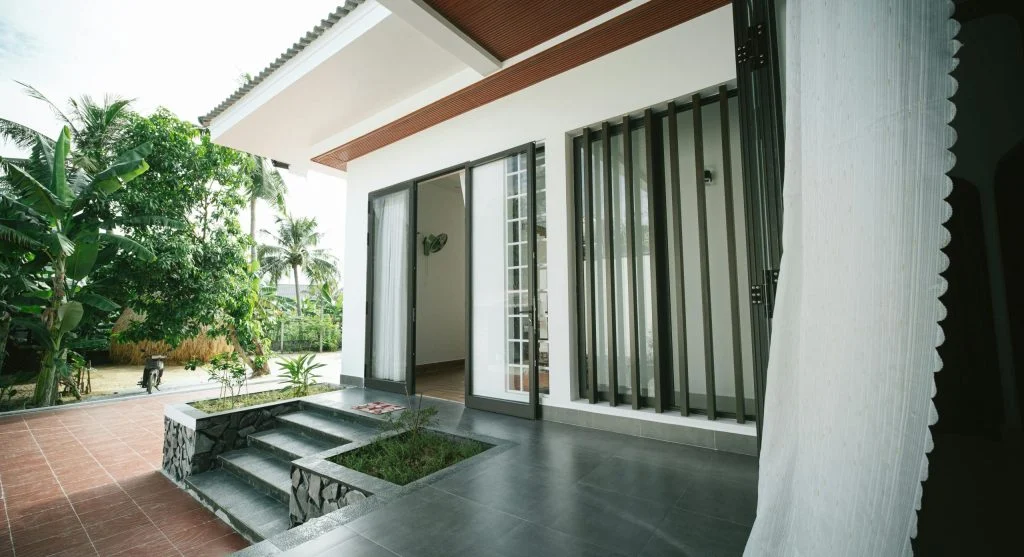
Experts usually recommend observing where direct sun hits the entry area during the hottest part of the day. If the front steps feel hot to stand on, if the walkway becomes overly bright, or if the entrance wall radiates heat by afternoon, those are signs that the space may benefit from more shade. These local clues often reveal the comfort problem more clearly than outdoor temperature alone.
Landscape and climate specialists also suggest paying attention to how long people actually stand or move in the area. A short but frequently used zone can deserve more shade attention than a larger part of the yard used rarely. The strongest benefits often come when shade is placed where everyday contact with heat happens most often.
This is why observation matters before any planting decision. The most effective tree is usually the one that matches the real movement of sun and people around the entrance.
Why small front yard trees support healthier local streets too
When many homes include tree cover near sidewalks, walkways, and entry areas, the benefits often extend beyond one property. Streets may feel calmer, more shaded, and easier to move through during summer. Small front yard trees can contribute to that broader effect by adding more patches of shade and softening the heat of built residential surfaces.
Urban planners often explain that local comfort grows through many modest changes working together. A single tree may improve one front path, but many homes with thoughtful shade can make an entire block feel more livable. That is why small front yard trees matter not only for one entrance but for the wider neighborhood experience too.
Understanding the value of small front yard trees helps show how local cooling often begins with everyday spaces. Front steps, doors, and walkways may be small, but they are where household comfort is felt most often.
Frequently Asked Questions
Q: Why do small front yard trees help cool entry areas?
A: They help by shading the hard surfaces near doors and walkways that usually absorb and release a lot of summer heat.
Q: Can a small tree really make a noticeable difference?
A: Yes. Experts often explain that local shade in the right place can improve comfort even if the tree is not large enough to shade the whole yard.
Q: What entry surfaces benefit most from tree shade?
A: Walkways, steps, porch edges, nearby walls, and windows near the entrance often benefit the most.
Q: Do small front yard trees help only outdoors?
A: No. In some cases, they may also reduce solar heat on nearby walls and windows, which can support indoor comfort too.
Key Takeaway
Small front yard trees matter because they can cool entry areas by reducing direct sun on the surfaces people use every day. Experts often explain that the biggest home shade benefits often come from making key outdoor zones less exposed rather than trying to shade everything at once. Even modest tree cover can improve front yard comfort in practical ways. Understanding the value of small front yard trees helps show how everyday home cooling often starts just outside the door.