
A small donation box at home can reduce waste more than many households expect because useful items are often thrown away for one simple reason: they have nowhere else to go in the moment. A shirt no longer worn, a mug no longer needed, or a book already finished may still have value, but without a clear holding place, these items can end up mixed with trash during quick cleanups.
Waste reduction educators, home organization specialists, and circular economy researchers often explain that lower household waste depends on making the reuse option just as easy as the disposal option. A small donation box at home helps by giving useful items a visible, immediate next step before they end up in the wrong bin.
Why a small donation box at home matters in daily life
Most decluttering does not happen in one big planned session. It happens in small moments. A child outgrows a shirt. A kitchen drawer is cleaned. A shelf is rearranged. A person realizes an item is still usable but no longer needed. In those moments, people usually choose the fastest path available.
Home behavior experts often explain that this is why a small donation box at home matters. It turns donation into a quick action instead of a delayed project. If the only options are keeping the item in the way or getting rid of it immediately, the household may choose the trash more often than intended. A donation box creates a third option that is fast and practical.
This matters because many items become waste through convenience, not through damage. A simple box can interrupt that pattern at the exact moment when the decision is being made.
How a small donation box at home helps useful items avoid the trash
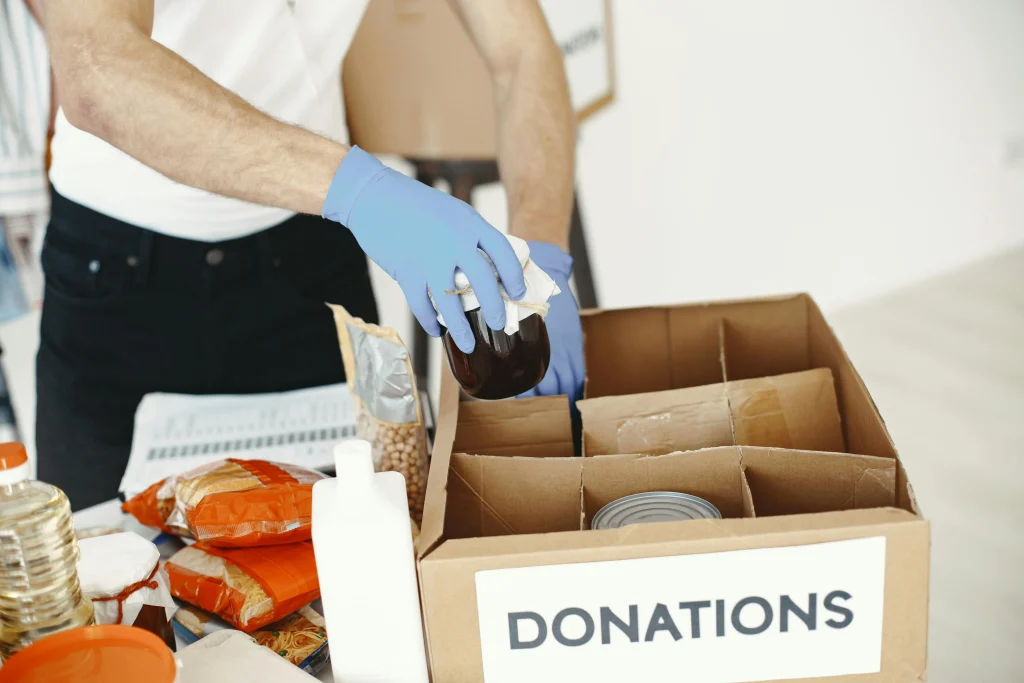
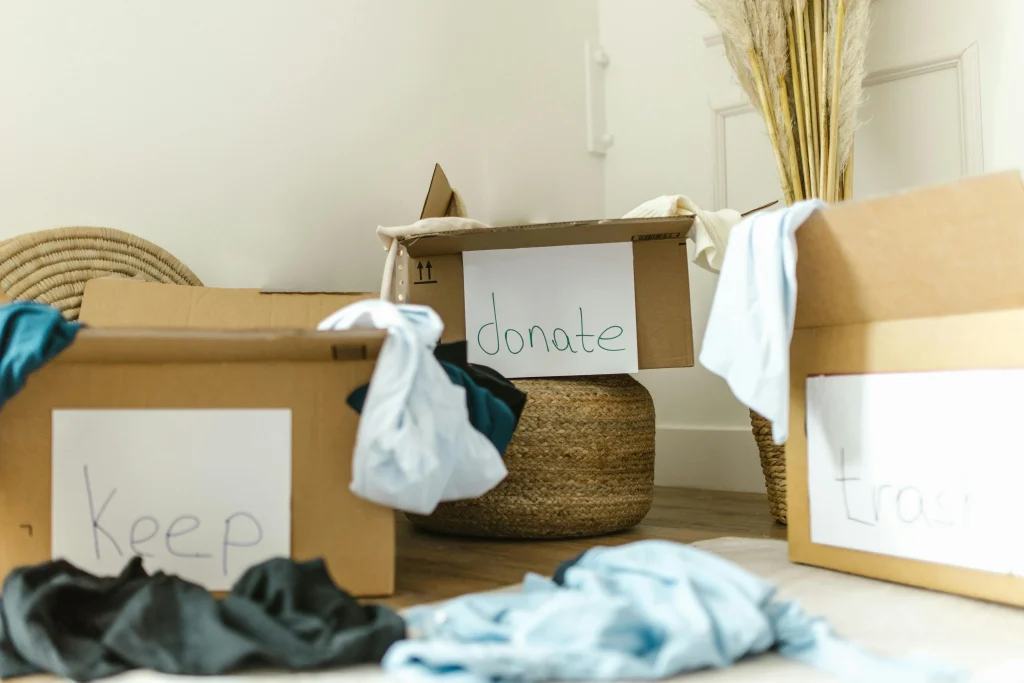
A small donation box at home helps useful items avoid the trash by giving them a temporary place that is clearly different from garbage. This small separation matters more than it first appears. Once an item enters a trash bag, it is usually treated as finished. Once it enters a donation box, it is still seen as useful.
Waste reduction specialists often note that many reusable items are lost because they are mixed into general cleanup too quickly. Clothing, books, toys, dishes, and household tools may all be perfectly usable, but if they are placed in the wrong bag during a rushed cleaning session, their useful life ends immediately.
This is why the donation box works as a simple reuse system. It protects useful items from being treated like waste before the household has time to pass them on properly.
Credit: RDNE Stock project
Why visibility often makes donation more likely
Visibility plays a major role in waste habits. If the donation option is hidden in a storage room, under a bed, or not set up at all, it is less likely to be used during ordinary household routines. If the box is visible in a closet corner, laundry area, or hallway shelf space, people are more likely to remember it when an item is no longer needed.
Behavior researchers often explain that the easiest visible option often becomes the chosen one. A small donation box at home works well because it removes delay. The item can go into the box immediately, without a long decision or a separate future plan. That speed often makes all the difference.
This is one reason small systems often succeed better than large good intentions. A visible box supports action right away, while an abstract idea to donate “sometime later” often fades.
How a donation box reduces clutter and lower household waste
Clutter and waste often grow together. Items no longer being used may remain in drawers, closets, and shelves because the household is not ready to throw them away but also has not created a path to move them out. Over time, these objects take up space and make organization harder.
Organization specialists often explain that a donation box helps because it moves such items into a temporary transition space. They are no longer clogging active storage, but they are not being discarded either. This makes the home easier to manage while also lowering the chance that useful items will become waste during future cleanup.
That is why the box supports more than donation alone. It also helps the household separate active items from pass-along items in a calmer and more structured way.
Why small size often works better than a large donation pile
A smaller box often works better than a large open pile because it stays manageable. A large donation area can become messy, delayed, and easy to ignore. A small donation box at home usually creates healthier pressure. Once it fills, the household knows it is time to take action and move the items onward.
Waste educators often note that smaller systems create clearer signals. The household can see what has been set aside, assess whether the items are still in good condition, and move the box out before it turns into another clutter zone. This keeps the donation habit active instead of endless.
This is why size matters. A box that is modest and easy to carry often supports more real reuse than a larger system that never actually leaves the house.
Credit: RDNE Stock project
What experts recommend putting in a donation box first
Experts usually recommend starting with items that are still clean, safe, and clearly usable but no longer needed by the household. Common examples include clothes in good condition, books, toys, extra mugs, simple decor, duplicate kitchen items, and small home goods that still function well.
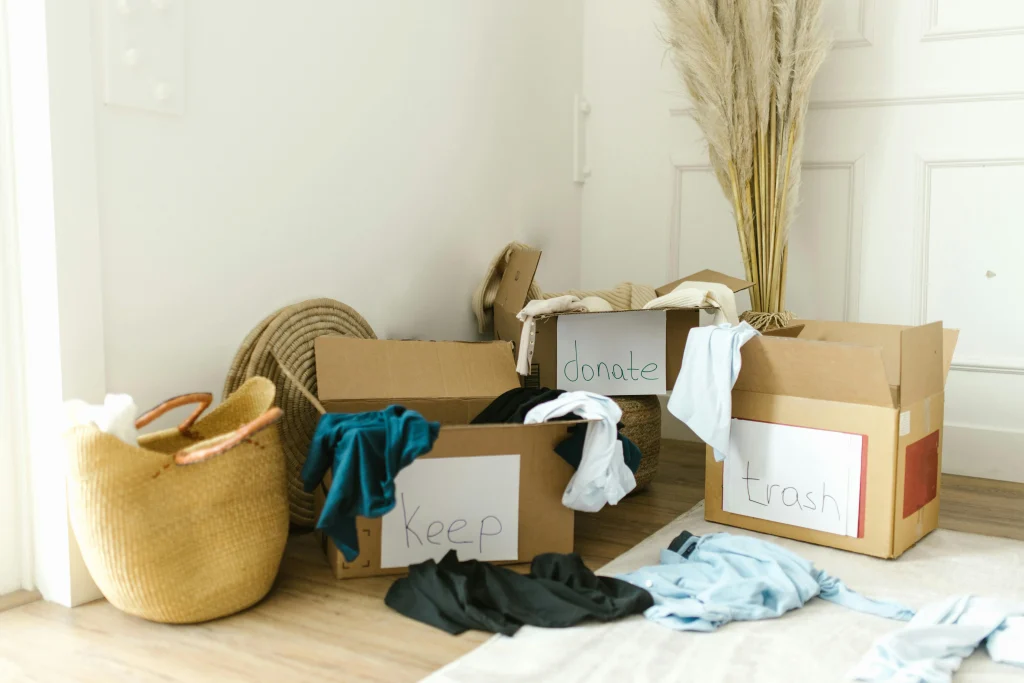
Waste reduction advisers also recommend keeping trash and donation clearly separate. Broken, unsafe, stained, or unusable items often need a different path. The donation box works best when it holds things that truly can be reused. This keeps the habit practical and respectful to whoever may receive the items later.
The clearest system is often the strongest one. A household is more likely to keep donating when the box contains genuinely pass-along items rather than mixed uncertain material.
Why a small donation box at home supports practical circular living
Practical circular living depends on keeping useful things in use for as long as possible instead of ending their life too early. A small donation box at home supports that goal by creating a simple path between one household and the next. It turns pass-along decisions into a regular routine rather than a rare event.
Circular economy researchers often explain that many useful items become waste not because they are damaged, but because systems for passing them on are too weak or inconvenient. A donation box strengthens that missing step. It gives the household a working method to protect usable objects until they leave the home the right way.
That is why a small donation box at home often helps more than expected. It supports lower household waste, reduces clutter, and helps useful items avoid the trash through one simple visible habit.
Frequently Asked Questions
Q: Why does a small donation box at home reduce waste?
A: It reduces waste by giving useful items a clear place to go before they are mixed into trash during cleanup.
Q: What items work best in a donation box?
A: Experts often recommend clean, safe, usable items such as clothes, books, toys, mugs, and simple household goods.
Q: Why should the donation box stay small?
A: A smaller box is easier to manage, easier to carry, and more likely to be emptied regularly instead of becoming another clutter pile.
Q: Where should a donation box be kept?
A: A visible but tidy place, such as a closet corner, laundry area, or hallway storage spot, often works best.
Key Takeaway
A small donation box at home helps lower household waste because it gives useful items a visible path away from the trash before they are discarded too quickly. Experts often explain that simple reuse systems work best when they are easy to use in the moment. A manageable box supports decluttering, protects reusable goods, and makes donation more practical. Understanding the value of a small donation box at home helps households keep useful items in circulation longer.