
Using curtains earlier can help rooms stay cooler because the biggest heat problem often starts before people notice discomfort. Once strong sun has already warmed the floor, furniture, walls, and indoor air, the room has to work much harder to recover. Closing curtains only after the space feels hot often means the main heat gain has already begun.
Building advisers, indoor climate specialists, and home efficiency researchers often explain that timing matters in summer comfort. A room usually stays easier to manage when sunlight is limited before it strikes interior surfaces for hours. That is why using curtains earlier is often one of the simplest home heat control habits households can build.
Why using curtains earlier matters during warm days
Many households wait until a room already feels uncomfortable before adjusting curtains or blinds. That response is understandable, but it often comes too late to prevent the strongest solar heat from entering. By midmorning or afternoon, sunlight may already be warming rugs, couches, tables, walls, and window areas that continue releasing heat after the light shifts.
Indoor comfort experts often explain that using curtains earlier matters because it changes what happens before the room overheats. Instead of reacting after warmth has spread through the space, the household limits how much direct solar energy reaches the interior in the first place. This can make the whole room easier to manage later.
This is one reason heat control indoors often depends on anticipation rather than reaction. A small action taken earlier may reduce a larger comfort problem later in the day.
How using curtains earlier helps rooms stay cooler
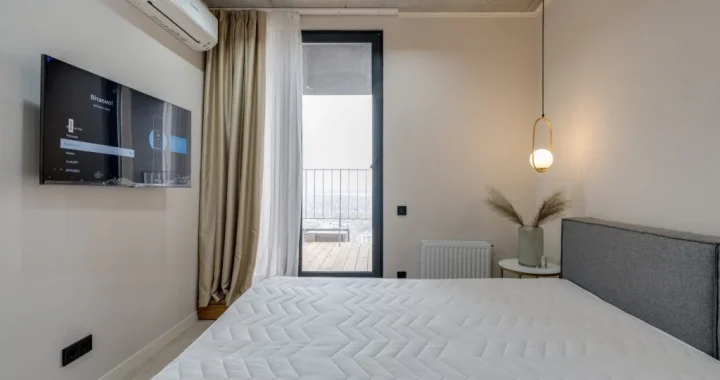
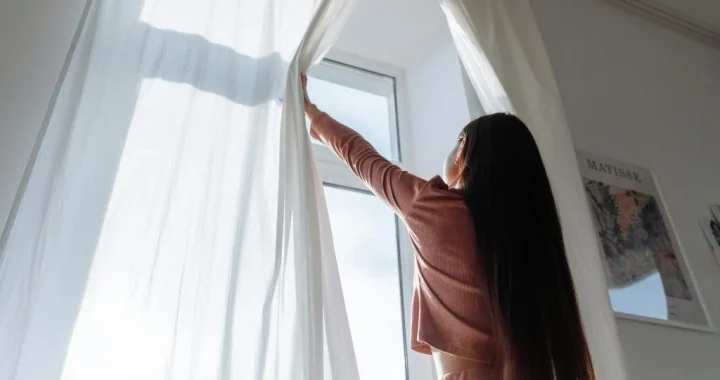
Using curtains earlier helps rooms stay cooler by reducing direct sunlight on interior surfaces during the hours when solar gain begins rising. If curtains are closed or partly drawn before the strongest light reaches the room, less heat is absorbed by flooring, upholstery, and walls. That can lower how much warmth the room stores and later gives back.
Building researchers often note that this matters because indoor heat is often cumulative. A room may not feel very hot at first, but once several surfaces have been warming for hours, comfort often drops quickly. Earlier curtain use interrupts that buildup by reducing the amount of heat entering the room from the start.
This is especially useful in rooms with large windows, direct morning or afternoon exposure, or dark surfaces that tend to absorb sunlight strongly.

Credit: Max Vakhtbovych / Pexels
Why direct sunlight changes a room faster than many people expect
Direct sunlight can change a room quickly because it does more than brighten the space. It delivers heat to whatever it reaches. Floors warmed by sun can radiate heat later. Upholstered furniture can hold warmth into the afternoon. Walls and window areas can also become part of the heat load that shapes how the room feels.
Indoor environment specialists often explain that this is why a room may still feel warm even after sunlight has moved away. The discomfort does not come only from the outdoor temperature. It also comes from the stored warmth inside the room itself. Using curtains earlier helps limit that stored heat before it spreads through the space.
This is one reason timing often matters more than people expect. Once the room has been sunlit for too long, the comfort problem becomes harder to reverse.
How using curtains earlier supports summer indoor comfort
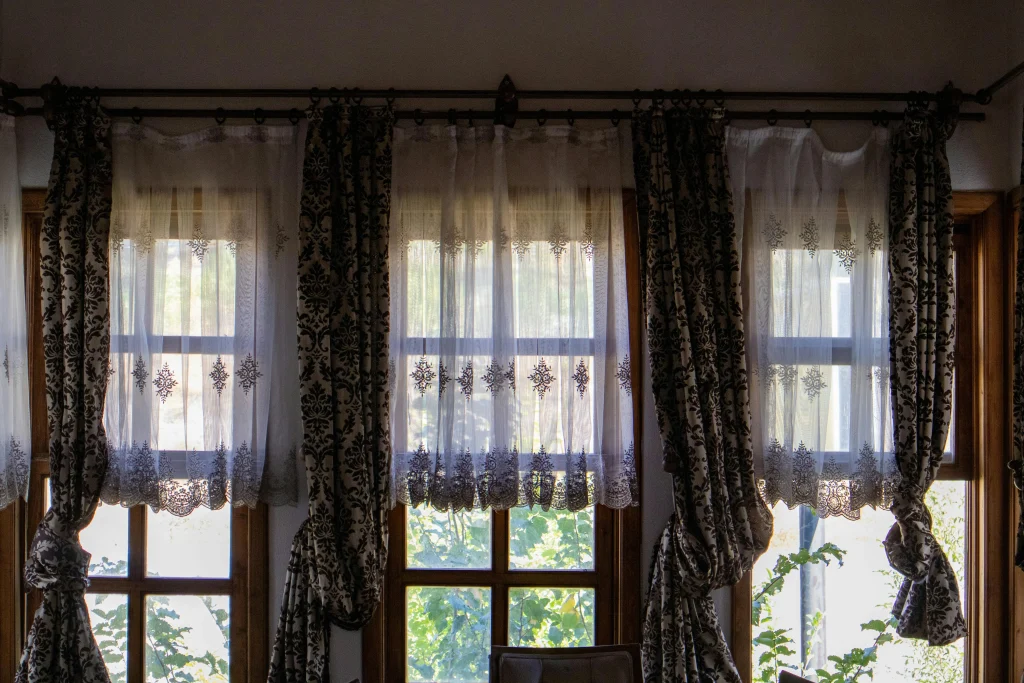
Summer indoor comfort improves when homes reduce avoidable heat gain during the day. Curtains can help with this by filtering or blocking sunlight before it turns the room into a warmer zone than the rest of the house. A cooler room often feels calmer, less bright, and easier to use during peak heat hours.
Home advisers often note that this effect can be especially noticeable in west-facing rooms, home offices, bedrooms, and living spaces used heavily in the afternoon. If those rooms overheat early, the whole home may begin feeling harder to manage. Using curtains earlier can support better comfort in the areas where people spend the most time.
This is why curtains are not only decorative. During hot weather, they can function as practical tools for keeping daily living spaces more manageable.
Why using curtains earlier may also support lower cooling waste
When a room heats up less during the day, households often feel less pressure to use stronger cooling later. Fans may work more effectively, air conditioning may not need to respond as aggressively, and the home may feel more stable overall. This does not mean curtains replace cooling systems, but they can support them by reducing some of the heat load that would otherwise enter first.
Energy specialists often explain that lower cooling waste usually comes from layered habits rather than one dramatic fix. Using curtains earlier is one of those habits because it reduces unnecessary indoor heat before other systems need to respond. That often makes the rest of the comfort strategy more effective.
In this way, curtain timing can support both comfort and efficiency without adding complexity to the household routine.
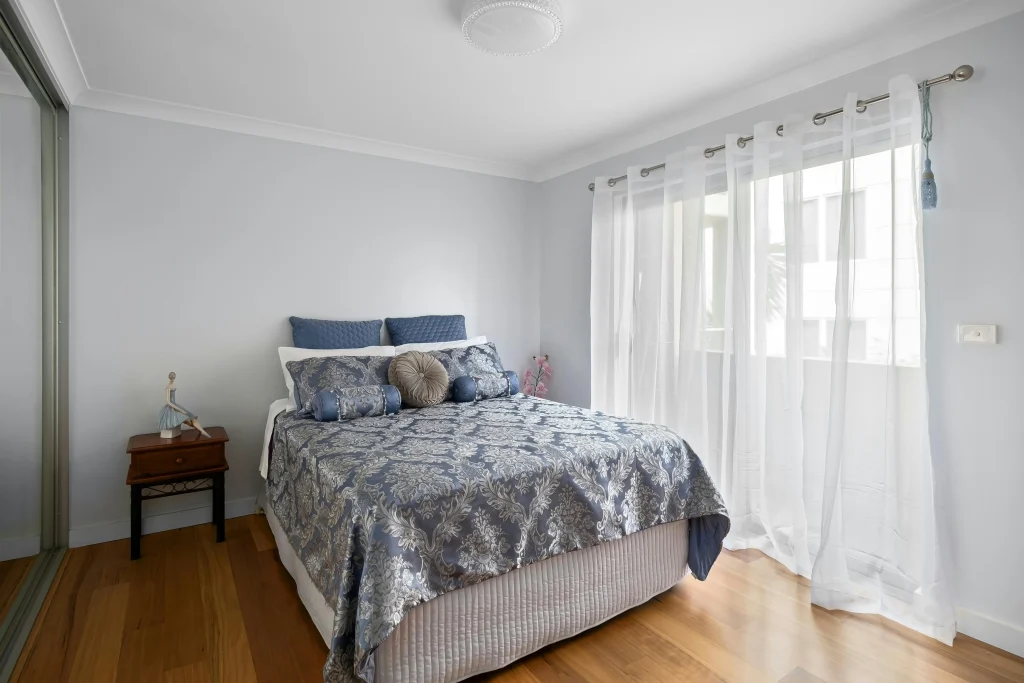
Credit: Vecislavas Popa / Pexels
What experts recommend households notice first
Experts usually recommend identifying which rooms receive the strongest direct sunlight and at what time of day. A room with morning sun may need earlier curtain use than one that receives stronger late-afternoon exposure. The pattern often becomes obvious after a few hot days when the same rooms overheat again and again.
Building specialists also suggest watching where sunlight lands indoors. If bright light reaches sofas, beds, rugs, work desks, or large floor areas for several hours, that room may be gaining more heat than expected. In many homes, the best results come when curtains are adjusted before those sun patches spread across the room.
This kind of observation usually works better than treating every window the same way. Different rooms often need different timing based on how the sun actually moves through the house.
Why using curtains earlier fits practical home heat control
Practical home heat control often succeeds through small actions that fit normal life. Using curtains earlier fits that pattern because it requires no special equipment and can be added easily to a morning routine. The curtains are already there. What changes is only the timing of how they are used.
Climate and indoor comfort researchers often explain that summer comfort depends on limiting heat before it becomes trapped indoors. Curtains, blinds, room separation, and airflow habits all work better when they respond early enough. Among these, earlier curtain use is one of the simplest because it acts at the moment sunlight first begins shaping the room.
That is why using curtains earlier can help rooms stay cooler before heat builds. It helps the home manage solar gain at the point where it begins, which often makes the rest of the day easier to handle.
Frequently Asked Questions
Q: Why does using curtains earlier help keep rooms cooler?
A: It helps by reducing direct sunlight before interior surfaces have time to absorb and store as much heat.
Q: Is it better to close curtains before the room feels hot?
A: Yes. Experts often explain that earlier action works better because it limits heat gain before it spreads through the room.
Q: Which rooms benefit most from earlier curtain use?
A: Rooms with strong morning or afternoon sun, large windows, and repeated overheating often benefit the most.
Q: Can using curtains earlier reduce cooling demand too?
A: It can help support lower cooling waste by reducing how much indoor heat builds before fans or air conditioning are needed.
Key Takeaway
Using curtains earlier can help rooms stay cooler because it reduces solar heat before floors, furniture, and walls have time to absorb too much warmth. Experts often explain that earlier curtain use supports summer indoor comfort and may also help reduce lower cooling waste by easing the pressure on other cooling habits later in the day. The habit is simple, but the timing makes a real difference. Understanding why using curtains earlier works helps households manage hot-weather comfort more effectively.