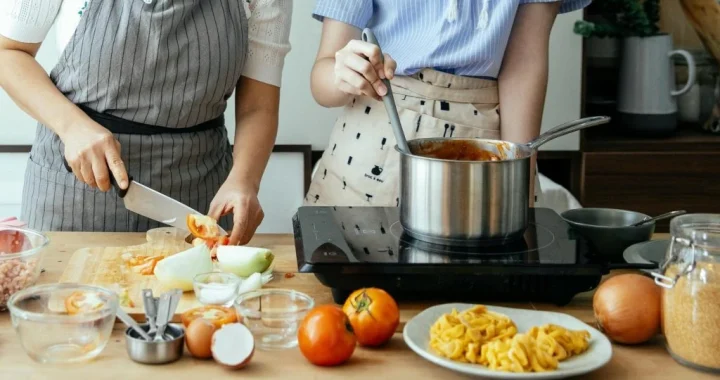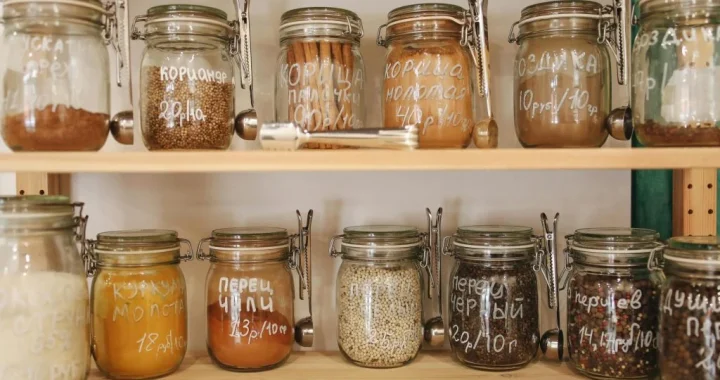


Planning one flexible meal each week can help households waste less food because not every ingredient needs a fixed recipe or a perfectly scheduled dinner. In many homes, small amounts of produce, cooked grains, sauces, and leftovers build up through the week. A flexible meal creates one clear place where those foods can still be used before they are forgotten.
Food waste researchers, home cooking educators, and kitchen organization specialists often explain that practical meal planning works better when at least one meal leaves room for change. A household that plans every dinner too strictly may still end up with extra ingredients that do not fit anywhere. A flexible meal helps absorb that gap.
Why planning one flexible meal each week matters in real kitchens
Most kitchens do not move through the week exactly as planned. One dinner may get delayed, one lunch may not be eaten at home, or one set of fresh ingredients may last longer than expected. These shifts are normal, but they can leave the refrigerator and pantry with small amounts of food that no longer match the original plan.
Cooking educators often explain that planning one flexible meal each week matters because it gives the household room to adapt. Instead of treating every extra ingredient as a future problem, the kitchen creates one meal that can respond to what is already there. This often makes the whole week easier to manage.
That is why a flexible meal is not a weak plan. It is often one of the strongest parts of a realistic food routine because it expects change instead of pretending change will not happen.
How planning one flexible meal each week helps households waste less food
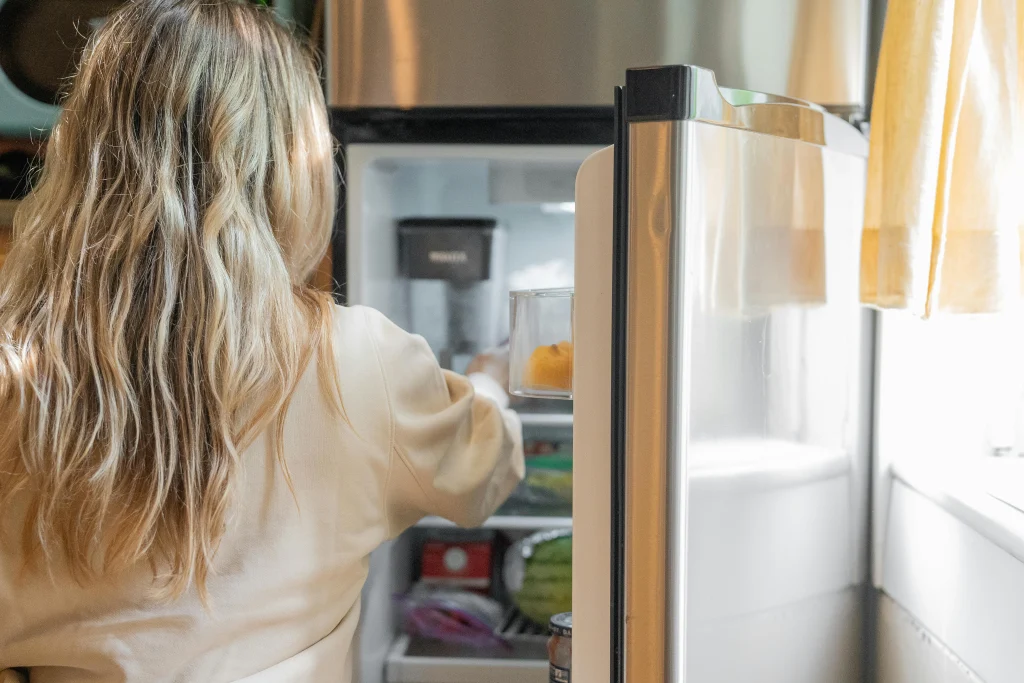
Waste less food is one of the clearest benefits of a flexible meal. When ingredients such as half an onion, extra greens, cooked rice, soft vegetables, or open jars have no assigned role, they often sit too long and lose value. A flexible meal creates a practical moment to use those foods while they are still useful.
Waste reduction experts often note that most food loss in homes does not come from one large mistake. It comes from many small amounts that are not used in time. A little cooked pasta, a few mushrooms, one leftover chicken portion, or part of a sauce container may not seem important alone. Together, they often represent a meaningful amount of edible food.
Planning one flexible meal each week helps households waste less food because it turns those small pieces into a planned resource instead of letting them stay as unclaimed extras.
Credit: Kevin Malik / Pexels
Why rigid meal plans often leave extra ingredients behind
Rigid meal plans can be useful, but they often focus on main dishes more than on the smaller ingredients left around them. A recipe may use most of a vegetable bunch but not all of it. A package may contain more than one meal needs. A sauce or grain may be opened for one dinner and then left with no clear next use.
Food planning specialists often explain that this is where waste begins quietly. The household follows the recipe correctly, but the remaining ingredients do not always fit the next day’s meals. Without a flexible space in the weekly routine, these foods often stay in storage until their quality declines.
This is why planning one flexible meal each week can strengthen even a well-organized meal plan. It helps the kitchen deal with what the recipes leave behind.
How a flexible meal supports practical meal planning
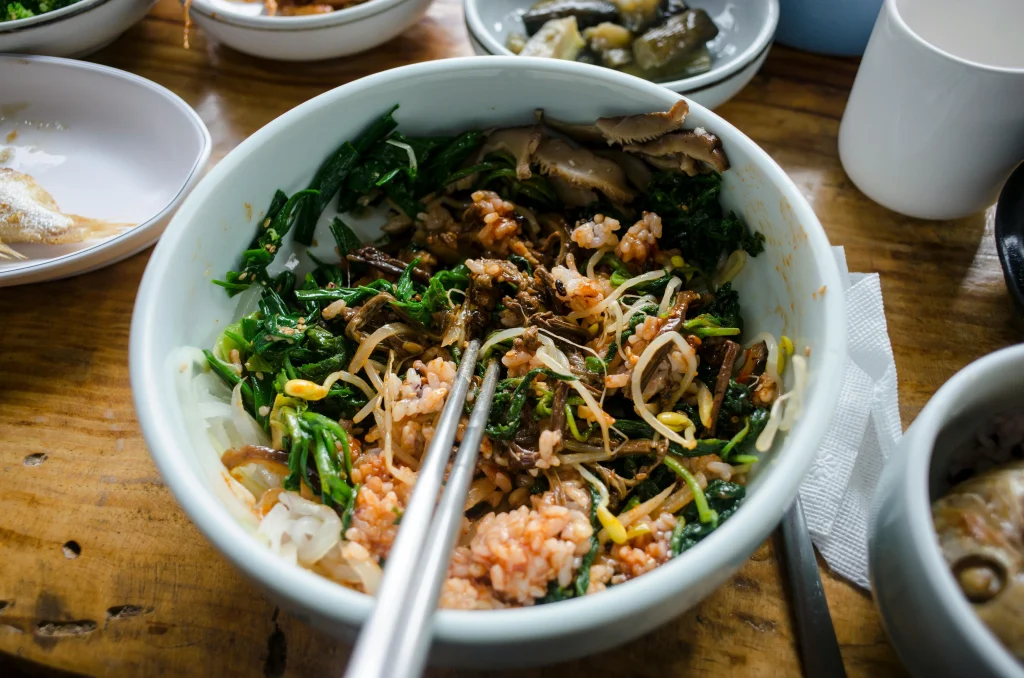
Practical meal planning works best when it balances structure with adaptability. A flexible meal is useful because it does not need a fixed ingredient list far in advance. It can become a soup, stir-fry, grain bowl, pasta dish, omelet-style meal, wrap filling, or mixed vegetable dinner depending on what the kitchen already has available.
Home cooking experts often note that this flexibility reduces pressure. A household does not need to buy extra items to complete the meal if the base foods are already there. This can support better use of leftovers and make shopping more efficient as well.
That is one reason practical meal planning often improves when one meal each week stays open. It gives the home a built-in way to use ingredients already at home without forcing a second grocery trip or a last-minute rushed decision.
Why planning one flexible meal each week helps with leftovers too
Leftovers are easier to manage when the week already includes a meal designed to absorb them. Cooked vegetables, grains, beans, roasted potatoes, shredded meat, or part of a prepared dish can often become part of a flexible meal much more easily than they can become a full second formal dinner on their own.
Kitchen organization specialists often explain that leftovers are often wasted because they stay between categories. They are not a complete new meal, but they are too useful to throw away right away. A flexible meal solves that problem by giving them a destination before they are forgotten.
This is another reason planning one flexible meal each week helps households waste less food. It makes small amounts of good cooked food easier to use instead of treating them like clutter in the fridge.
Credit:makafood / Pexels
What experts recommend when setting up a flexible meal
Experts usually recommend placing the flexible meal near the end of the shopping cycle rather than at the beginning. This gives the household time to see which produce is softening, which leftovers remain, and which pantry staples can help turn those foods into a complete meal. Timing is one of the biggest reasons the method works.
Food waste educators also recommend keeping the concept simple. The meal does not need a creative theme every week. It only needs a reliable format that can accept different ingredients. A household often benefits more from one easy repeatable structure than from trying to invent a different rescue meal each time.
This is why the best flexible meals are usually the ones people already know how to cook. Familiar methods reduce stress and make it easier to use whatever is already on hand.
Why planning one flexible meal each week supports sustainable food routines
Sustainable food routines usually work best when they match real household behavior. Planning one flexible meal each week fits that idea because it accepts that food schedules shift, ingredients remain, and leftovers need a realistic place in the plan. It helps the kitchen respond to reality instead of forcing every week to behave perfectly.
Waste reduction researchers often explain that households waste less food when they stop viewing extra ingredients as planning failures and start treating them as resources. A flexible meal helps create that shift. It turns uncertainty into opportunity in a way that is practical, repeatable, and easy to understand.
That is why planning one flexible meal each week often helps more than people expect. It supports practical meal planning while making it much easier to use ingredients already at home before they become waste.
Frequently Asked Questions
Q: Why does planning one flexible meal each week reduce food waste?
A: It gives extra ingredients and leftovers a planned place in the week, which makes them more likely to be used in time.
Q: What kinds of meals work best as flexible meals?
A: Experts often recommend simple formats such as soups, stir-fries, grain bowls, wraps, pasta dishes, or mixed vegetable meals.
Q: When should the flexible meal happen during the week?
A: It usually works best later in the shopping cycle, when the household can see what ingredients already need to be used.
Q: Does a flexible meal mean poor planning?
A: No. It is often a strong part of practical meal planning because it prepares for normal weekly changes instead of ignoring them.
Key Takeaway
Planning one flexible meal each week helps households waste less food because it creates a clear place for leftovers and extra ingredients already at home. Experts often explain that this supports practical meal planning by making weekly changes easier to absorb instead of letting small amounts of food go unused. The habit is simple, but its effect can be steady over time. Understanding the value of planning one flexible meal each week helps kitchens become more realistic, organized, and lower-waste.