
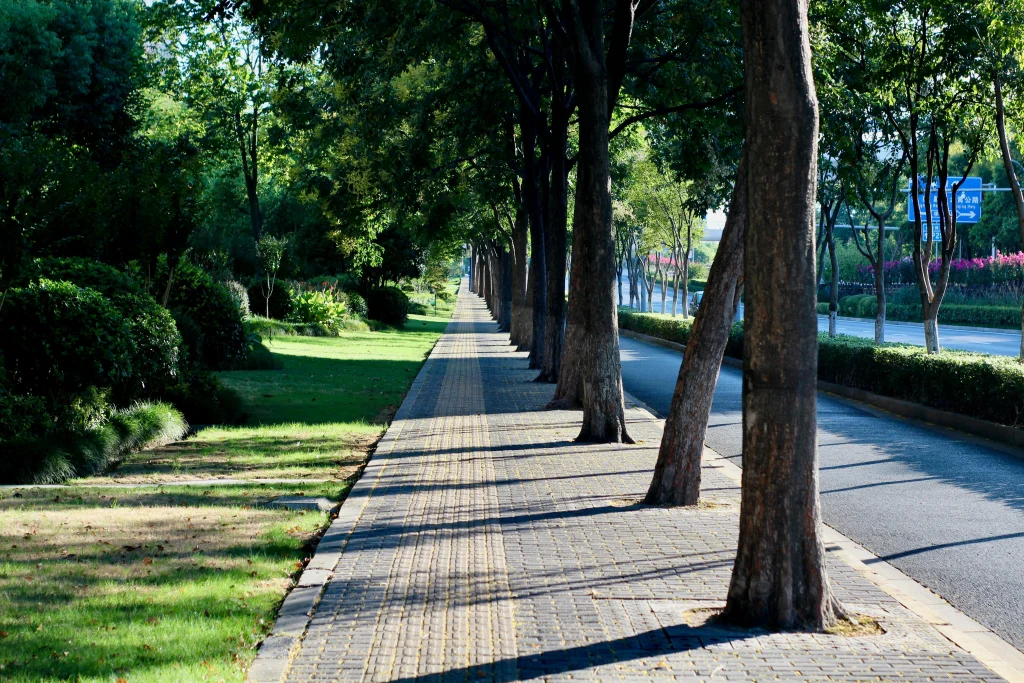
Sidewalk tree shade can make a noticeable difference during hot weather because walking comfort depends on more than the air temperature alone. When a sidewalk is fully exposed to summer sun, heat builds on pavement, nearby walls reflect warmth, and people often feel tired more quickly even during short trips. Tree shade changes those conditions at street level.
Urban climate researchers, public health specialists, and landscape planners often explain that sidewalk tree shade matters because it reduces direct sun exposure while also helping limit how hot sidewalks and nearby surfaces become. This combination can make summer walking feel easier, more manageable, and less physically draining.
Why sidewalk tree shade matters during summer walking
Walking outdoors in summer is shaped by what people feel around them, not only by what a weather report says. A shaded sidewalk may feel much easier to use than a nearby unshaded one because the body is receiving less direct sunlight and the nearby ground is often not radiating as much heat upward.
Heat and mobility specialists often explain that this matters because many people depend on walking for errands, school trips, work commutes, and neighborhood movement. If sidewalks feel too hot and exposed, even short distances can become uncomfortable. Sidewalk tree shade helps by creating a more usable path through conditions that might otherwise feel harsh.
This is one reason tree-lined streets are often described as more walkable. The change is not only visual. It affects how the route feels in real physical terms.
How sidewalk tree shade reduces street-level heat
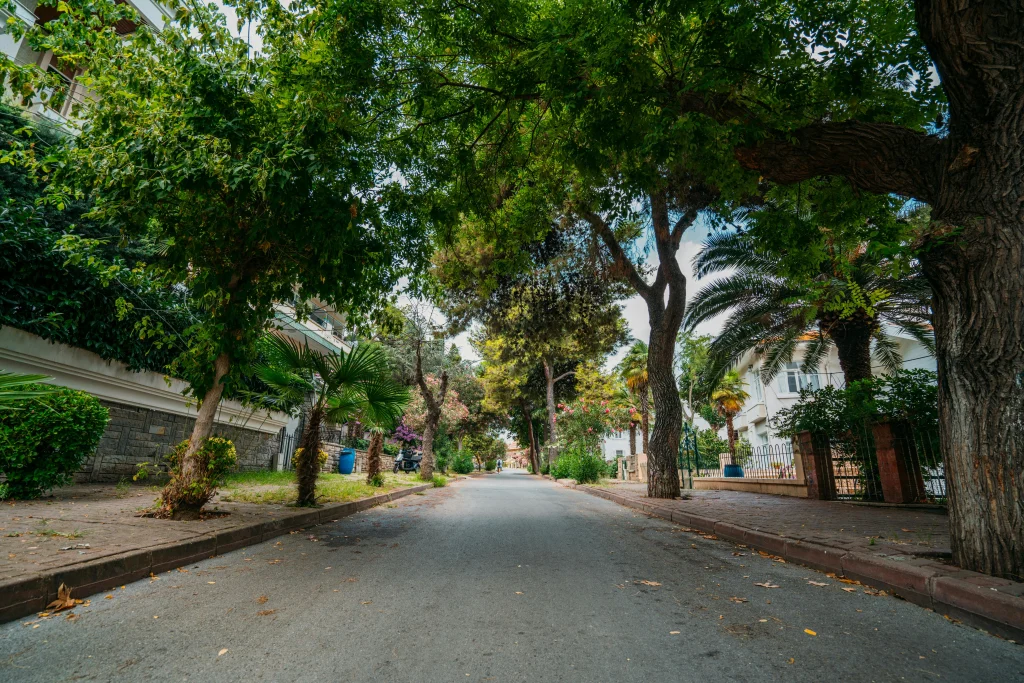
Sidewalk tree shade reduces street-level heat by blocking a portion of the sun before it reaches pavement, walls, parked cars, and other nearby surfaces. That matters because exposed surfaces absorb solar energy and then release heat back into the surrounding air. When those surfaces receive less direct sun, they often stay somewhat cooler through the day.
Urban heat researchers often note that shaded ground can feel significantly different from exposed pavement even on the same block. The air may not be dramatically different at city scale, but the local experience at walking height often is. Tree cover changes what the sun reaches first, and that changes how the area behaves afterward.
This is why sidewalk tree shade often helps twice. It lowers direct sunlight on people and also reduces some of the heat coming off the built environment around them.
Credit: Sami TÜRK / Pexels
Why unshaded sidewalks feel harder in hot weather
Unshaded sidewalks often feel harder because the body is affected by several kinds of heat at once. Direct sunlight warms the skin, pavement reflects brightness upward, and surrounding materials such as walls or roads may release stored warmth. Together, these effects can make a short walk feel longer and more tiring.
Public health experts often explain that exposed walking routes are especially difficult in the middle and late afternoon, when both the sun and nearby surfaces are contributing to the strain. In neighborhoods with limited greenery, even small errands may become more uncomfortable because there are few places to recover between one exposed section and the next.
This helps explain why sidewalk tree shade matters in practical daily life. It reduces continuous exposure and gives people a more manageable rhythm as they move through the city.
How sidewalk tree shade supports summer walking comfort
Summer walking comfort improves when the body has less heat to handle at one time. Shade helps reduce glare, lowers direct sun exposure, and often makes the route feel calmer and less severe. Even short shaded sections can provide relief that breaks up a difficult walk into more tolerable parts.
Environmental comfort researchers often point out that people respond strongly to these small differences. A shaded bus stop approach, a cooler crossing, or a tree-covered stretch near shops can influence whether walking feels realistic or exhausting. Sidewalk tree shade therefore shapes behavior as well as comfort.
This is one reason cities that invest in shade often see broader benefits. The street becomes easier to use for more people, especially during long hot periods when exposed walking routes feel less welcoming.
Why sidewalk tree shade matters for neighborhood equity too
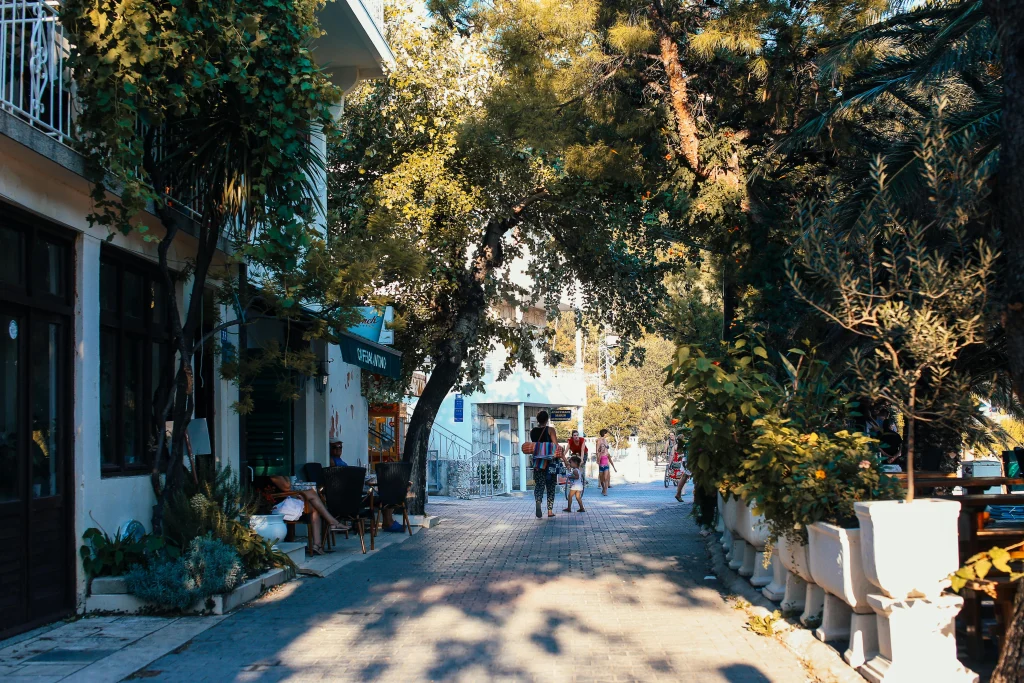
Not every household can avoid hot streets by staying indoors or using a car for every trip. Many people rely on sidewalks daily for work, school, transit, and services. In that context, sidewalk tree shade becomes more than a landscaping feature. It becomes part of how fair and usable a neighborhood feels during summer.
Urban planners often explain that shaded walking routes matter especially in areas with more pavement, fewer parks, and limited cooling features. If one neighborhood has comfortable tree-lined sidewalks and another has long exposed concrete corridors, the daily experience of heat can become very unequal.
This is why tree shade is often discussed as a public environment issue as well as a design issue. It affects who can move comfortably through the city during hot weather.
Credit: Pixabay / Pexels
What experts say makes sidewalk tree shade most effective
Experts usually explain that the strongest shade benefits come when trees are healthy, well-placed, and repeated along a route rather than appearing only in isolated spots. One tree can help, but a connected line of tree cover usually does more for summer walking comfort because it reduces repeated exposure across a longer distance.
Landscape specialists also note that timing matters. Shade is especially helpful on routes used during the hottest parts of the day or on sidewalks that otherwise receive strong afternoon sun. The goal is not only to add greenery, but to place it where people most need relief at walking level.
This is why sidewalk tree shade is often treated as practical infrastructure. Its value depends on function as much as appearance.
Why sidewalk tree shade supports healthier local streets
Healthier local streets usually depend on comfort, accessibility, and the ability of people to move through everyday spaces without extreme strain. Sidewalk tree shade supports that goal by making walking routes less exposed, reducing some street-level heat, and encouraging more use of outdoor public space during warm months.
Urban climate and health experts often explain that cooler, more shaded sidewalks can also support neighborhood life more broadly. People may linger slightly longer, feel more willing to walk short distances, and experience less stress from heat during daily movement. These changes may seem modest, but repeated across many trips and many people, they shape how livable a street becomes.
That is why sidewalk tree shade matters so much in summer. It helps turn a hot exposed route into a more manageable public space, which is one of the clearest local benefits that urban trees can provide.
Frequently Asked Questions
Q: Why does sidewalk tree shade make walking easier in summer?
A: It reduces direct sun exposure and helps keep nearby pavement and surfaces from becoming as hot.
Q: Does sidewalk tree shade change the air temperature a lot?
A: Sometimes the local feel changes more than the official temperature, because shade lowers direct sun and street-level heat around walkers.
Q: Why are unshaded sidewalks so tiring in hot weather?
A: Unshaded sidewalks expose people to direct sunlight, reflected heat, and hotter nearby surfaces all at once.
Q: What makes sidewalk tree shade most effective?
A: Experts often recommend healthy, well-placed tree cover repeated along walking routes instead of only a few isolated shaded spots.
Key Takeaway
Sidewalk tree shade matters because it helps reduce street-level heat, lowers direct sun exposure, and makes summer walking feel easier in cities. Experts often explain that its value comes from improving comfort where people actually move through daily life. Tree shade supports more usable sidewalks, especially during hot afternoons and longer warm periods. Understanding sidewalk tree shade helps show why cooler, healthier streets often begin with better tree cover.