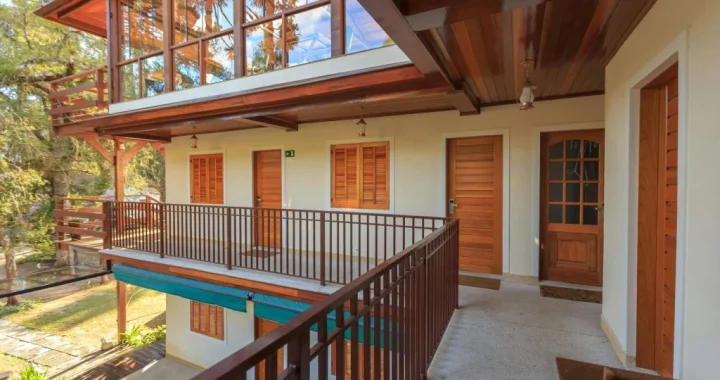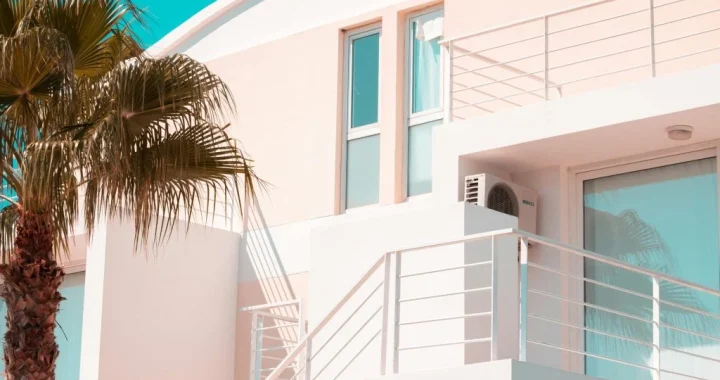


Early morning air often feels better for outdoor tasks during heat because the ground, buildings, and surrounding air usually have not yet absorbed a full day of sun. That can make yard work, walking, errands, and basic outdoor chores feel more manageable than they do later in the afternoon.
Climate specialists, public health advisers, and building researchers often explain that timing matters almost as much as temperature during warm weather. The same outdoor task may feel far more difficult at midday than it does in the early morning because heat builds up through surfaces, sunlight, and slower recovery in the surrounding environment.
Why early morning air feels different from the afternoon heat
Heat usually builds over several hours, not all at once. In the morning, the sun is lower, surfaces are often cooler, and outdoor spaces have had more time to release some of the warmth stored the day before. That creates a short window when outdoor conditions may feel lighter and less demanding.
Environmental comfort researchers often explain that early morning air feels different because the whole landscape is starting from a cooler point. Roads, walls, patios, and lawns may still hold some warmth from previous weather, but they have not yet been reheated by strong daily sunlight. This can reduce how harsh the air feels near the ground.
That is why people often notice more comfort in the first hours after sunrise. The weather report may not seem dramatically different, yet the real feel of the environment often is.
How early morning air helps with outdoor tasks during heat
Outdoor tasks during heat often become harder because the body must handle physical effort while also dealing with strong sun, warmer surfaces, and rising air temperature. In the early morning, these pressures are often lower. A person watering plants, sweeping a patio, walking the dog, or doing light garden work may feel less strain than they would later in the day.
Heat and activity experts often note that small chores are affected too. Carrying groceries, cleaning outdoor furniture, or taking out yard waste may seem easy in theory, but the same tasks can feel much more tiring once the day becomes hotter. Early morning air helps because it reduces how fast heat stress builds during routine movement.
This does not make the morning completely risk-free in all conditions. It simply means the timing often offers a more comfortable and practical window for ordinary outdoor work.
Credit: Gustavo Fring / Pexels
Why surfaces matter as much as air temperature
Air temperature is only one part of outdoor comfort. Surfaces such as pavement, driveways, walls, fences, and patios absorb sunlight and release heat back into the surrounding area. By afternoon, these surfaces can make the environment feel warmer than the temperature alone suggests.
Urban climate specialists often explain that early morning air usually feels better partly because these surfaces have not yet reheated. A shaded sidewalk, cooler driveway, or less intense patio surface can make walking and working outside feel noticeably easier. By midday, the same locations may be much harder to tolerate.
This helps explain why outdoor timing matters so much. Even if the air warms gradually, surface heat can make the surroundings feel harder much sooner than people expect.
How early morning air affects home chores and yard care
Many routine household tasks move outdoors at some point. Sweeping steps, taking out trash, checking plants, watering containers, moving laundry, or cleaning outdoor spaces are all shaped by weather timing. Early morning air often makes these tasks easier because the work begins before heat has fully built across the yard and the home exterior.
Home maintenance specialists often point out that yard care especially benefits from this timing. Soil moisture may last longer, plants may show less stress, and people doing the work often feel more comfortable. This can make the task easier to complete well rather than rushing through it to escape the heat.
That is one reason households often shift outdoor chores earlier during hot periods. It is not only about schedule. It is about reducing unnecessary strain on both people and landscapes.
Why early morning air can feel more manageable than evening air
Many people expect evening to be the easiest time for outdoor activity, but that is not always true. After a hot day, buildings, streets, and outdoor surfaces may still be releasing stored warmth. If the neighborhood cools slowly, the evening can feel heavier than expected even after the sun drops lower.
Climate researchers often explain that early morning air may feel more manageable because the environment has had longer to cool and is beginning the day before new solar heat has built up again. Evening still carries some of the day’s stored heat, while morning often comes after the longest available cooling period.

Credit: Pixabay / Pexels
What experts recommend households pay attention to
Experts usually recommend watching how quickly heat builds on familiar outdoor surfaces. If the patio feels hot by midmorning, if yard work becomes tiring earlier than expected, or if walking routes feel much easier just after sunrise, those are useful signs that timing matters more than the daily high alone.
Public health and climate specialists also suggest planning flexible routines around the coolest practical window. This may include shifting yard care, dog walking, grocery trips, or simple home maintenance tasks to the morning during hotter periods. These changes are often easier than pushing through harder conditions later in the day.
The key is noticing that comfort changes hour by hour. Early morning air is often helpful because it reduces several forms of heat pressure at once.
Why early morning air matters more during repeated hot days
During a single warm day, timing may only feel slightly important. During several hot days in a row, the difference becomes more obvious. Afternoon surfaces get hotter, evenings may stay warmer, and outdoor recovery becomes weaker. In these conditions, early morning air may be one of the few parts of the day that still feels relatively manageable.
Heat researchers often explain that repeated hot weather changes how households use time. Morning becomes more valuable because it offers a period when outdoor tasks can be done with less physical demand and less heat exposure. This makes daily routines easier to sustain over long warm stretches.
Understanding early morning air helps explain why timing is one of the most practical tools people have during hot weather. It is often the difference between a manageable outdoor task and one that feels far harder than expected.
Frequently Asked Questions
Q: Why does early morning air feel better during hot weather?
A: Early morning air often feels better because the landscape has not yet reheated fully, so air, surfaces, and surroundings usually feel cooler.
Q: Is early morning better than evening for outdoor tasks?
A: In many cases, yes. Experts often explain that evening may still hold stored heat from the day, while morning begins before new heat buildup starts.
Q: What outdoor tasks are easiest in early morning air?
A: Yard care, walking, watering, sweeping, and other light outdoor chores are often easier before the hottest part of the day.
Q: Why do repeated hot days make morning timing more important?
A: Repeated hot days weaken afternoon and evening comfort, so morning may become the most manageable time for outdoor activity.
Key Takeaway
Early morning air often feels better for outdoor tasks during heat because the surrounding environment has not yet built up a full day of warmth. Experts often explain that cooler daily timing reduces lower heat strain from hot surfaces, stronger sun, and rising air temperature. This can make chores, walks, and yard care feel much more manageable. Understanding early morning air helps households use timing as a practical comfort tool during hot weather.