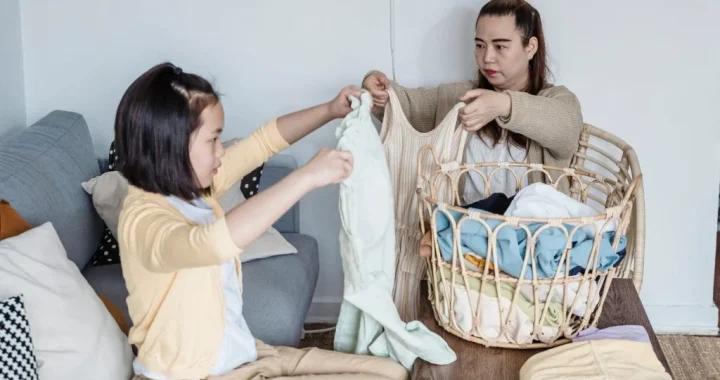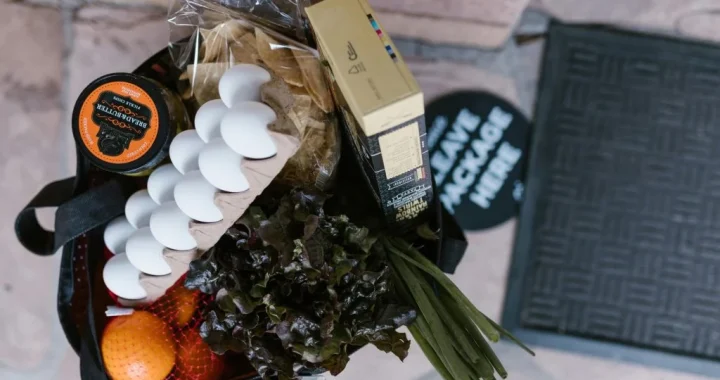

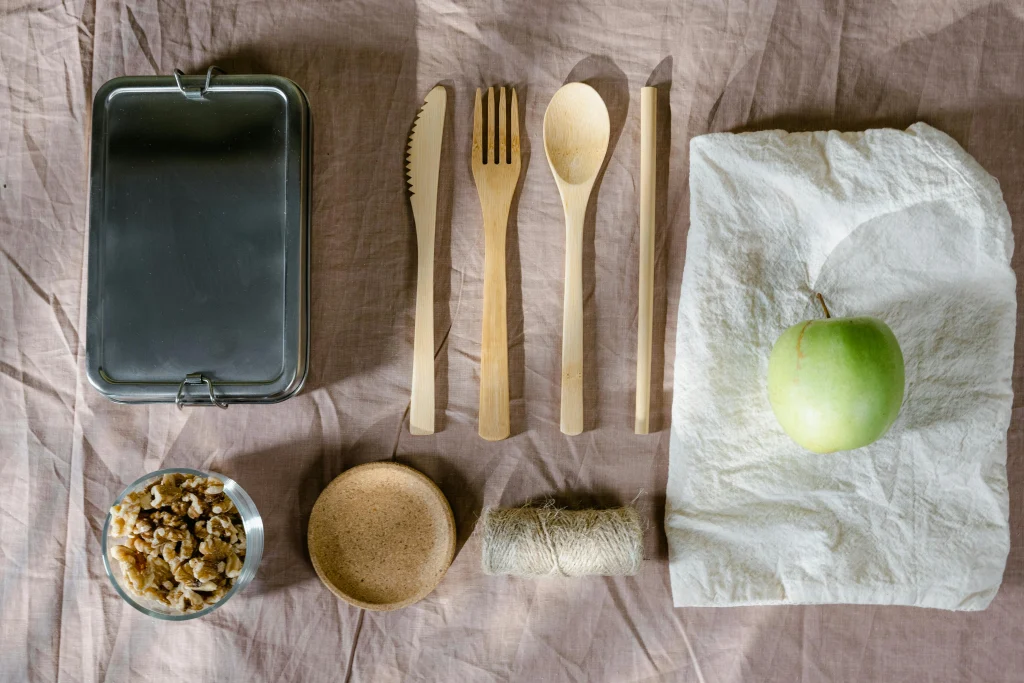

Credit: Darina Belonogova / Pexels

Credit: Cup of Couple / Pexels
What Experts Recommend When Starting With One Useful Low-Waste Habit
Experts usually recommend beginning with the easiest high-impact action. This often means choosing a habit that already fits into a repeated routine, such as grocery shopping, lunch packing, kitchen cleanup, or end-of-day food checks. The smaller and clearer the action is, the more likely it is to last.
Waste educators also recommend measuring success by repetition, not perfection. Missing a day does not mean the habit has failed. What matters is whether the action becomes more normal over time. Once a household proves it can maintain one useful low-waste habit, it often becomes easier to add another without losing the first.
This gradual approach tends to work well because it builds confidence and reduces frustration. Real progress usually feels simpler than expected when the starting point is realistic.
Why One Useful Low-Waste Habit Often Becomes the Start of Broader Change
One successful habit often changes how a household notices the rest of its waste. People may begin spotting packaging sooner, using food more carefully, or keeping reusable items closer at hand. The first stable habit makes other improvements easier because it shows that lower everyday waste is possible without making daily life harder.
Sustainability educators often explain that broader change often begins this way. The household does not transform overnight. It strengthens one practical routine, then allows that routine to influence other parts of daily life. This usually leads to steadier long-term results than trying to become fully low-waste all at once.
That is why one useful low-waste habit often helps more than several unused good intentions. It creates real movement, and real movement is what makes broader change possible.
Frequently Asked Questions
Q: Why does one useful low-waste habit matter so much?
A: It matters because repeated small action usually creates more real change than several ideas that never become part of daily life.
Q: What makes a low-waste habit truly useful?
A: Experts often explain that it should solve a repeated waste problem, fit an existing routine, and be easy enough to repeat consistently.
Q: Should households try many low-waste habits at once?
A: Usually not at first. A single stable habit often works better as a starting point because it is easier to maintain and learn from.
Q: Can one small habit really reduce waste over time?
A: Yes. A habit repeated every day or every week often has a meaningful effect because it changes the household’s normal waste pattern.
Key Takeaway
One useful low-waste habit often helps more than several unused good intentions because consistency is what changes the household waste pattern over time. Experts often explain that practical sustainability habits work best when they fit real routines and solve repeated problems clearly. A single stable habit can reduce lower everyday waste while making future improvements easier to add. Understanding the value of one useful low-waste habit helps households build progress that is simple, realistic, and lasting.