
Credit: Hiago Rocha / Pexels
Credit: Polina Tankilevitch / Pexels
What experts recommend for sorting waste at home
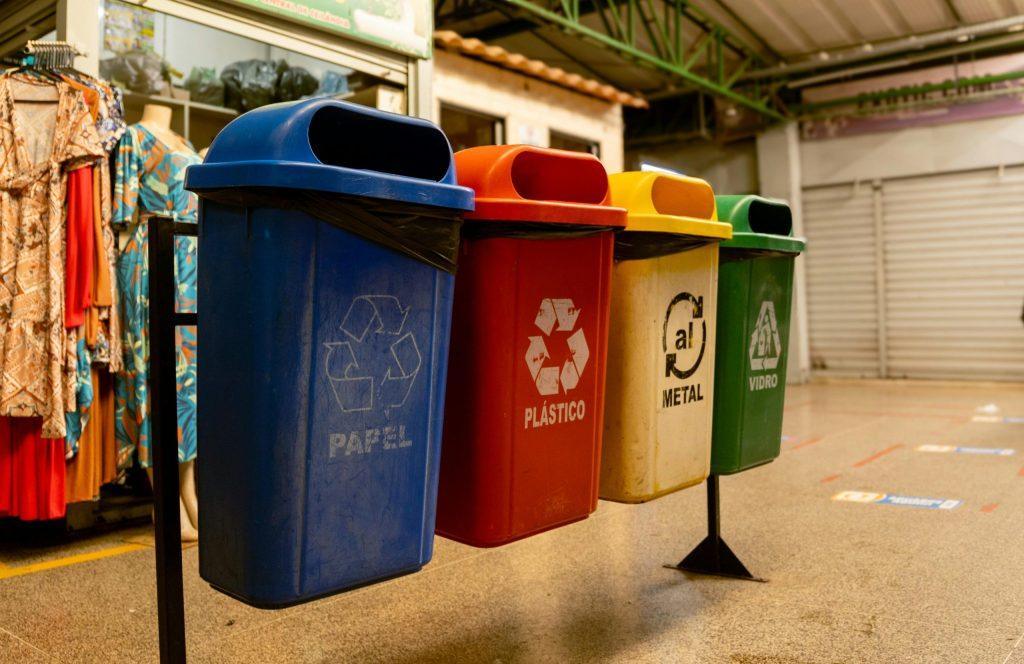
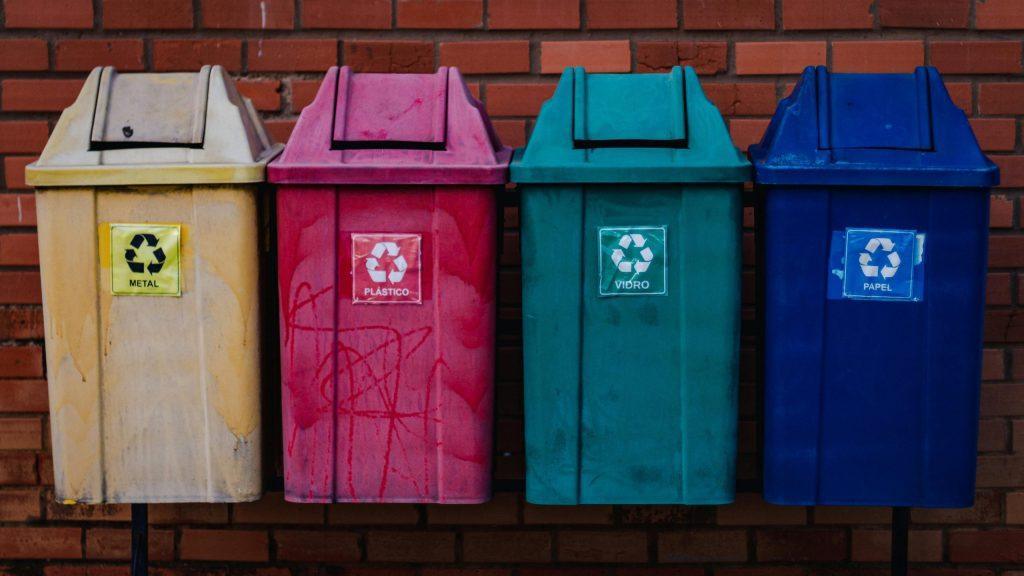
Experts usually recommend beginning with three basic priorities. Make the bins visible, make the categories obvious, and make the routine easy to repeat. These three changes often matter more than trying to manage too many detailed sorting rules from the start.
Waste reduction specialists also suggest reviewing which materials cause the most confusion in the household. A home may repeatedly struggle with food containers, soft plastics, delivery padding, or paper mixed with residue. Once the repeating problem is identified, the system can be adjusted more effectively.
Sorting waste at home works best when it becomes an ordinary part of movement through the house rather than a task that demands fresh attention every time. Simpler systems usually support that result more reliably than complicated ones.
Frequently Asked Questions
Q: Why does sorting waste at home often go wrong?
A: It often goes wrong because the system is unclear, bins are poorly placed, or people need to make too many quick decisions during daily routines.
Q: What makes a good household recycling routine?
A: Experts often recommend visible bins, simple labels, and a setup that matches where waste is actually created in the home.
Q: Is it better to recycle doubtful items or throw them away?
A: Experts usually recommend keeping doubtful items out unless local rules clearly accept them, because wish-cycling can contaminate the stream.
Q: How can households reduce waste sorting confusion?
A: Clear categories, better placement, and fewer unnecessary choices often reduce confusion more than complex instructions.
Key Takeaway
Sorting waste at home often works better with simpler systems because people are more likely to follow clear routines than complicated rules. Experts often connect better bin placement, clearer labels, and fewer doubtful decisions with cleaner material sorting and lower waste confusion. A practical household recycling routine usually depends on visibility and ease, not complexity. Understanding sorting waste at home in this way helps households build more reliable lower-waste habits.